DELTA 과제 숙달: 우수성을 위한 필수 팁

Starting DELTA can feel like stepping into a storm you thought was a breeze. You’re juggling theory, classroom practice, and those tight, unforgiving criteria that demand precision. It’s not casual work. It’s layered, technical, and-oddly enough-deeply personal. For teachers planning to work abroad or online, clarity and methodical discipline matter more than enthusiasm alone. You’ll need both a map and a mindset: clear expectations, grounded reflection, and a systematic approach that shows you can think, teach, and justify.
This guide breaks the entire process into manageable chunks. You’ll find real tactics, ways to manage time without losing your mind, and practical writing strategies that help you meet DELTA standards without sounding robotic. Follow the rubrics, revise deliberately, and your writing will show not only skill but maturity-the kind that turns a teacher into a professional practitioner.
A sound plan is worth its weight in hours. Treat each module like part of one cohesive story, not as a pile of unrelated checklists. Map tasks to criteria. Schedule time for feedback, drafting, and reflection. Build habits of detailed analysis and grounded reasoning. DELTA work, when done right, becomes a snapshot of what you know about language, how you teach it, and how you grow through it.
Remember-DELTA is as much about how you work as what you produce. Careful planning, structured writing, and iterative revision transform a demanding process into a test of consistency and professional growth. So, let’s get straight to the practices that actually work across all modules.
Effective DELTA Assignment Strategies That Actually Deliver
Three habits sit at the core of every strong DELTA submission: thoughtful planning, evidence-driven argument, and repeated refinement. Start by breaking down the task against the exact criteria you’re supposed to meet. Note your key claims-what you’ll prove about your grasp of language systems, how you design teaching, and how you reflect on both.
A solid plan cuts through confusion. It keeps your focus on results instead of sliding into vague classroom anecdotes. Decide early where you’ll show theory, where you’ll integrate classroom data, and where you’ll reflect on student progress. Remember: DELTA isn’t about describing what you did-it’s about defending why you did it.
Then, build a clean, coherent argument. Let theory and practice weave together, not sit in separate boxes. Use your own data-learner notes, performance records, observed patterns. And don’t shy away from mentioning flaws or counterpoints; then explain how you’d handle them differently next time. This kind of intellectual honesty demonstrates both depth and professionalism.
Finally, never underestimate revision. Draft once, get feedback, revise, check again. Keep a short revision log-it’s boring, yes, but gold later. Record what changed, why, and which rubric point it improves. That’s how you turn raw writing into something polished and credible.
Strategic Planning and Evidence
Strategic planning is your shield against messy, unfocused writing. Dissect the task. Pin down the language element, the teaching principle, and the reflection piece. Write out what claim you’ll make in each, what evidence you’ll bring in, and what tone fits-formal, concise, or slightly narrative. This alignment forces coherence and prevents you from drifting into fluffy description without real evaluation.
Evidence-based reasoning is the muscle behind good DELTA work. You’re not just recounting your class-you’re analyzing it. When you talk about a teaching decision, explain it through the lens of linguistic theory and learner needs. Bring in actual classroom notes or student feedback if you have it. Show how your classroom experience reshaped your understanding of theory, and vice versa. That mutual loop is what DELTA assessors want to see: thinking teachers, not copy-pasters.
Sample Six-Week DELTA Milestone Plan
| 주 | Task | 초점 | Output | Feedback | 노트 |
| 1 | Self-diagnostic | Language awareness | Reflective note | Tutor feedback | Establish your baseline |
| 2 | Module 1 draft | Language in use | Task 1 draft | Peer review | Check match with rubric |
| 3 | Research-led plan | Teaching rationale | Annotated outline | Tutor feedback | Link theory with decisions |
| 4 | Teaching evidence | Practical application | Observation notes | Supervisor input | Tie data to outcomes |
| 5 | Revision round | Structure and clarity | Refined draft | Peer review | Strengthen argument logic |
| 6 | Final edit | 형식 및 인용 | 최종 버전 | 내부 검토 | 전체 정렬 확인 |
Sticking to the Schedule
일정을 준수하세요. 순수한 작성을 위한 주 2회의 세션과 편집 또는 참조를 위한 또 다른 세션을 보호하세요. 제출하기 전에 루브릭 검사를 실행하세요: 당신의 논리가 명확한가, 증거가 신뢰할 수 있는가, 어조가 학문적이지만 읽기 쉬운가? 그렇다면 당신의 제출물은 단순히 설명하는 것이 아니라 전문적인 추론을 보여줄 것입니다.
Writing DELTA Tasks Without Losing Flow
DELTA 작문은 균형 잡기입니다: 정확성, 규율, 청중 인식. 먼저 프롬프트를 분해하세요. 당신이 무엇을 증명하고 있는지, 어떤 증거가 그것을 증명하는지, 각 섹션이 어떻게 흐를 것인지 식별하세요. 장식이 아닌 명확성을 위해 작성하세요. 주장을 일찍 제시하고, 체계적으로 발전시키고, 깔끔하게 마무리하세요. 신호 문구는 드물게 사용하여 독자를 고정시킵니다.
언어 정확성은 선택 사항이 아닙니다. DELTA는 전문 용어의 부풀림 없이 학문적 어조를 요구합니다. 필요할 때 기술 용어를 사용하세요-진단 평가, 학습자 자율성, 형식 중심 교육-하지만 항상 정확하게 사용하세요. 모든 문장은 당신의 주장을 뒷받침해야 합니다. 그렇지 않다면 잘라내세요.
Structured Approaches to Working With DELTA Criteria
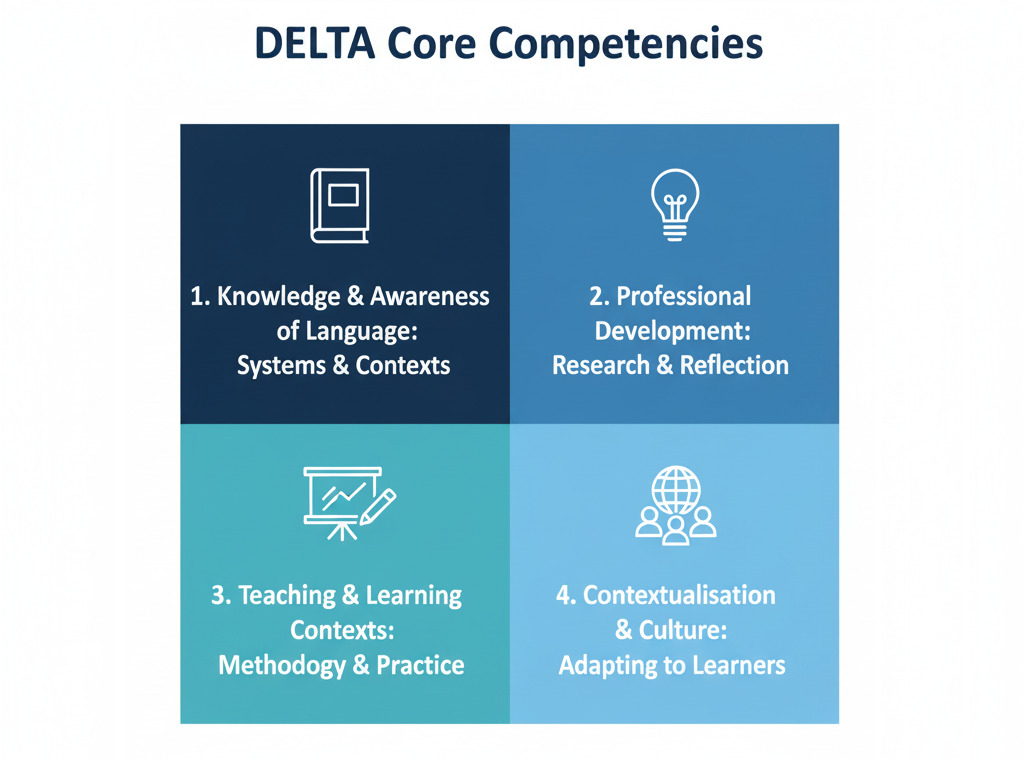
목표의 형태를 모르면 목표를 맞출 수 없습니다. 각 DELTA 기준을 당신의 글쓰기 섹션에 매핑하는 것부터 시작하세요. “사용 중인 언어에 대한 지식”을 다룰 때 구체적으로: 어떤 언어적 특징을 분석하고 있습니까? 어떤 전략을 방어하고 있습니까? 어떤 증거를 보여줄 것입니까? 그 투명성은 당신의 추론을 추적 가능하게 하고, 중요하게도 평가 가능하게 만듭니다.
루브릭 정렬 그리드를 만드세요. 한쪽에는 기준, 다른 쪽에는 에세이 부분이 있습니다. 각 항목이 정확히 어디에서 다루어지는지 기록하세요. 이 방법은 범위와 깊이를 균형 있게 유지하는 데 도움이 됩니다-어떤 기준도 소홀히 하지 않고, 어떤 것도 너무 얇게 늘리지 않습니다. 이는 튜터가 한눈에 따라갈 수 있는 감사 추적을 구축하는 것과 같습니다.
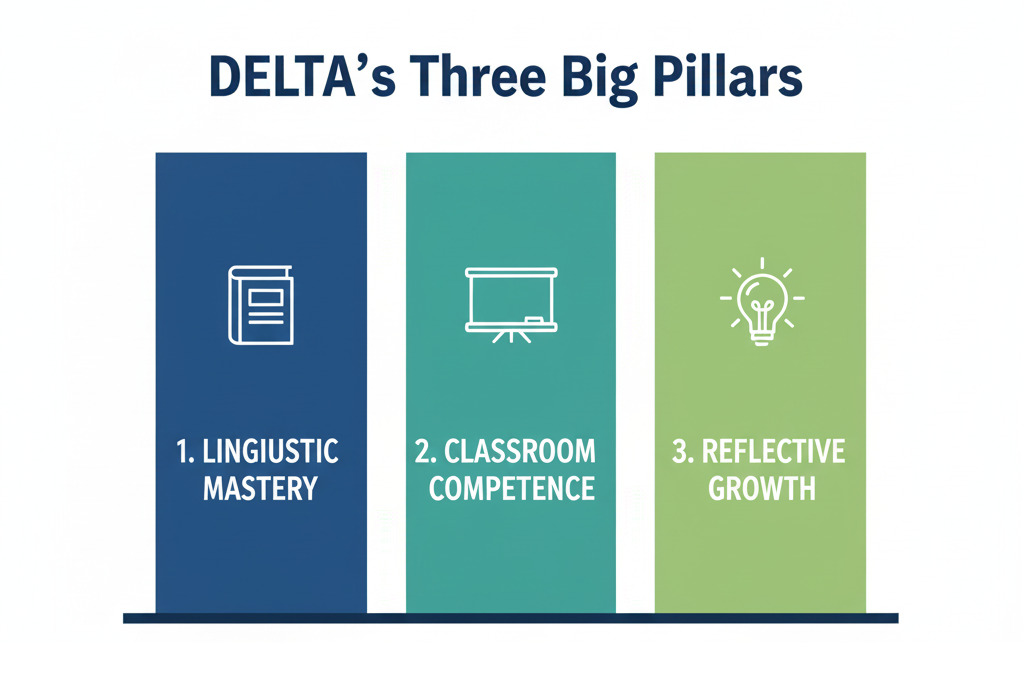
기준을 이해하는 것은 DELTA의 세 가지 큰 기둥: 언어적 숙달, 교실 능력, 반성적 성장 인식을 의미합니다. 모든 글을 이러한 렌즈를 통해 구성하세요. 그런 다음 각 섹션에서 어떤 기준을 다루고 있는지, 무엇이 그것을 지지하는지, 그리고 그것이 학습자 결과와 어떻게 연결되는지를 명확한 참조를 사용하여 보여주세요.
Staying on Schedule: Submitting DELTA Work Without Chaos
마감일은 당신이 얼마나 영감을 받았는지 신경 쓰지 않습니다. 연구, 초안 작성, 수정 및 예상치 못한 중단을 포함하는 타임라인을 일찍 구축하세요. 현실적인 일정은 당신을 차분하고 생산적으로 유지합니다.
일정 관리의 규율은 작문 규율과 일치합니다. 반복적인 작문 슬롯을 설정하세요-작고 규칙적인 블록이 늦은 밤 마라톤보다 낫습니다. 버전 관리를 사용하여 초안을 추적하세요; 모든 것을 명확하게 라벨링하세요. 피드백은 빠르게 작업 흐름에 들어와야 합니다: 읽고, 행동하고, 무엇이 변경되었는지 기록하세요.
편집은 품질이 숨겨진 곳입니다. 문법, 어조 및 인용 정확성을 확인하세요. 일관된 제목, 읽기 쉬운 글꼴, 적절한 참조와 같은 깔끔한 형식은 단 하나의 주장이 들어오기 전에 전문성을 신호합니다.
피드백이 도착하면 분류하세요: 필수, 선택적 또는 계속 진행. 각 변경 사항과 그 이유로 짧은 수정 로그를 업데이트하세요. 이 기록은 관료적이지 않으며, 당신의 전문적 성장의 증거입니다. DELTA는 이를 높이 평가합니다.
Turning Feedback Into Real Progress
피드백은 제대로 태우는 방법을 알면 연료가 됩니다. 단순히 의견을 수집하지 말고, 그것을 행동으로 전환하세요. 모호한 의견이 아닌 특정 기준에 연결된 지침을 요청하세요. 질문이 명확할수록 피드백이 날카로워집니다.
두 번의 수정 습관을 유지하세요. 첫 번째 패스: 주장과 구조. 두 번째: 언어의 정확성과 어조. 이 분리는 당신의 집중을 유지합니다. 잘 관리된 수정 로그는 피드백이 언제 수신되었는지, 어떻게 사용되었는지, 그 결과 무엇이 개선되었는지를 기록합니다. 시간이 지나면서 그것은 당신의 발전의 거울이 됩니다.
목적 있는 수정은 가시적인 결과를 만들어야 합니다-더 긴밀한 논리, 더 나은 증거 연결, 더 명확한 문구. 각 라운드 후에 무엇이 효과적이었고 무엇이 효과적이지 않았는지 간단히 반성하세요. 그것이 DELTA의 사고방식입니다: 반성적이고, 적응적이며, 기반이 있습니다.
Building Your DELTA Resource Toolkit
올바른 도구 없이는 누구도 DELTA를 완료할 수 없습니다. 공식적인 캠브리지 및 브리티시 카운슬 자료로 시작한 다음, 동료 검토 연구 및 교사 개발 문헌으로 확장하세요. 관련 이론, 유용한 모델 및 실용적인 프레임워크에 대한 노트를 유지하세요. 나중에 시간을 절약하기 위해 주제나 기준별로 교차 참조하세요.
연습도 똑같이 중요합니다. 모의 작업을 설계하세요-수업 계획, 짧은 근거 작성, 결과 평가. 그런 다음 이론, 맥락 및 학습자 데이터를 연결하는 반성적 논평을 작성하세요. 가끔 시간을 측정하세요. 목표는 속도가 아니라 구조 아래에서의 유창함입니다.
이러한 작업을 피드백 루프와 결합하세요. 각 모의 제출 후 피드백을 수집하고, 로그를 업데이트하고, 학습 계획을 다듬으세요. 시간이 지나면서 이 리듬은 당신의 내용 숙달과 작문 규율을 모두 날카롭게 합니다.
실용적인 통찰력과 즉각적인 단계
- Build a personal DELTA roadmap linking modules to feedback cycles
- Collect classroom evidence early and organize it by theme
- Schedule timed writing practice at least twice a month
- Base every claim on verifiable data or theory
- Stick with trusted institutional sources; skip random blogs
주요 요점
- Align every task with its exact assessment criterion
- Anchor every argument in both theory and evidence
- Revise with purpose; track every meaningful change
- Maintain your resource base and practice consistently
- Treat your writing as professional communication, not a diary entry
What Comes Next for DELTA Candidates
- Read the official Cambridge DELTA handbook carefully.
- Build a structured six-week work calendar per module.
- Keep a feedback and revision log from day one.
- Engage with real ELT research-UNESCO, OECD, major journals.
- Practise regularly, reflect honestly, and keep iterating.
DELTA는 정확히 무엇이며, 어떻게 구성되어 있습니까?
DELTA (Diploma in English Language Teaching to Adults) is a professional qualification by Cambridge Assessment English. It comprises three modules spanning understanding language, developing professional practice, and extending knowledge through research and reflective practice. Each module requires demonstration of how theory informs teaching and how reflective practice informs future planning. (Cambridge Assessment English; British Council)
How long does DELTA typically take, and how should I plan my study time?
Times vary, but candidates commonly allocate several months to a year to complete all modules, with multiple drafts and feedback cycles built in. Effective planning involves breaking tasks into weekly milestones, building in revision buffers, and maintaining a steady writing routine. (British Council guidance; UNESCO resources on professional development)
What should I prioritise in DELTA writing tasks to maximise success?
Prioritise alignment with assessment criteria, clarity of argument, and robust justification of decisions. Use specific classroom evidence and researcher-informed rationale, signpost your reasoning clearly, and ensure precise use of language and terminology. Regularly consult official rubrics and seek targeted feedback on both content and language. (Cambridge DELTA; British Council)
How can I use feedback most effectively?
Treat feedback as a learning tool. Create a revision log, map feedback to specific criteria, and plan concrete changes. Use a two-pass revision system—first for content and argument, then for language and presentation. This approach demonstrates reflective practice and tangible professional growth. (University writing centres; DELTA guidance)
Are there practical tools that help with DELTA submissions?
Yes. Maintain a structured drafting workflow, use reference management software for citations, and employ checklists aligned with the DELTA rubrics. A tidy, well-formatted submission reduces cognitive load for readers and helps ensure your ideas are presented with maximum clarity. (Cambridge resources; university writing centres)