Certificazione di insegnamento ESL demistificata: percorsi, standard e carriere

Teaching English as a Second Language can open all sorts of doors – to classrooms across the world, to remote teaching from home, and to connections with learners from every corner of the globe. Yet if you’ve ever looked into qualifications, you’ll know how confusing the world of TEFL, TESOL, CELTA and accreditation can seem at first glance. This guide is here to make sense of it all. It explains the main routes into teaching, what Ofqual standards mean in practice, and how to pick a course that will actually be recognised wherever you plan to teach. Whether your goal is to move abroad, start teaching online, or progress in a more formal education setting, the right qualification will set a reliable foundation for your career.
For anyone planning to enrol soon, clarity is the aim. Here you’ll find an honest look at common certification routes, how Ofqual fits into the picture both in the UK and internationally, and what accredited programmes really provide – such as practical classroom experience, credible outcomes, and flexibility in career choices. You’ll also get checklists for decision-making, comparison tables for quick reference, and realistic career examples to help you choose the training that genuinely fits your goals.
Comprendere le certificazioni di insegnamento ESL: percorsi e livelli
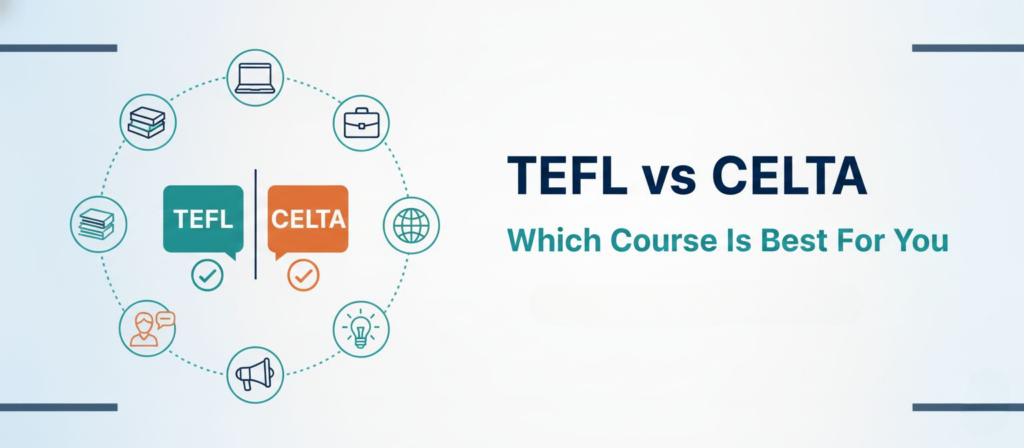
There’s more than one way to become an English teacher. ESL certificates come in many forms, each designed for different learners, contexts, and teaching ambitions. Most people choose between TEFL (Teaching English as a Foreign Language) and TESOL (Teaching English to Speakers of Other Languages) courses. There’s also CELTA, offered by Cambridge, which has long been one of the most respected names in the field.
All of these programmes share the same big goal – helping you develop practical teaching skills and an understanding of how people learn languages. Still, they differ in focus, duration, and how widely they’re recognised. Employers tend to look for three main things: real teaching practice (not just theory), solid feedback from trainers, and a certificate issued by a reputable organisation.
In the UK, Ofqual oversees the framework for recognised qualifications. Its role is to maintain consistent standards and ensure quality across education providers. An 14. L'insegnamento dell'inglese online course can be reassuring for employers who prefer qualifications that follow formal UK standards. That said, many excellent international certificates – like CELTA and Trinity CertTESOL – are widely accepted even though they don’t fall directly under Ofqual regulation.
When deciding, think about where you want to teach, how much teaching practice you want or need, and how your chosen certificate is viewed in that particular country. Getting this alignment right – between your long-term plan and the qualification’s reputation – will make all the difference in how employable you are later on.
Before you sign up for anything, check the small print: duration, assessment method, and whether the course actually includes observed teaching practice. Providers can vary, and so can national recognition rules, so always confirm details with the awarding body.
Percorsi per la certificazione ESL a colpo d'occhio
| Route | Durata tipica | Recognition notes | Key considerations |
| TEFL (non-regulated) | 4-12 weeks common, online or in-person | Widely accepted; quality varies by provider | Investigate practicum quality; ensure course includes teaching practicum or observed teaching hours |
| TESOL (non-regulated) | 4-12 weeks common | Widely accepted; some country-specific requirements | Look for balanced curriculum: methodology, lesson planning, and assessment |
| CELTA (Cambridge) | 4 weeks full-time or 120 hours part-time | Global standard; highly credible among employers | Highly practical; demands commitment to hands-on pratica didattica |
| Ofqual-regulated options (UK) | 3-6+ months depending on module | Regulated within Regulated Qualifications Framework (RQF) in England | Useful if you plan to teach in the UK or require formal UK recognition |
| Ofqual-aligned certificates (UK/online variants) | Varies by provider | Increasingly valued for UK and some international postings | Verify that the awarding body is Ofqual-recognised and that the course includes a substantial practicum |
Scegliere corsi TEFL/TESOL che soddisfano gli standard Ofqual
If you want your qualification to carry real weight, it’s worth paying attention to Ofqual. It’s the body that regulates qualifications in England, making sure they meet defined learning outcomes and fair assessment standards. For anyone aiming to teach in the UK or with UK-linked institutions, an 14. L'insegnamento dell'inglese online or Ofqual-aligned certificate can be a strong advantage.
But here’s the key point: it’s not enough for the provider to claim accreditation – the course itself needs to be Ofqual-recognised or issued through an approved awarding body. Always double-check questo, idealmente contattando l'organizzazione che assegna il premio o controllando il registro ufficiale Ofqual delle qualifiche regolamentate.
In pratica, la maggior parte degli insegnanti opta per una combinazione di opzioni: alcuni preferiscono CELTA or Trinity TESOL per il loro riconoscimento globale, mentre altri scelgono corsi TEFL regolamentati da Ofqual or TESOL per il loro status formale nel Regno Unito. Cerca programmi che dichiarino chiaramente il loro stato di accreditamento, pubblichino un syllabus trasparente, includano una pratica di insegnamento adeguata e valutino la tua capacità di pianificare e tenere lezioni. I migliori insegnano anche pratiche inclusive, etica professionale e gestione della classe – cose you’ll che dipendono quotidianamente.
Se il tuo obiettivo è insegnare online, scegli un corso che includa opzioni di tirocinio che puoi completare da remoto o localmente, idealmente con feedback da un mentore. Un elenco di controllo pratico aiuta qui:
- Verifica le credenziali dell'organismo di assegnazione.
- Rivedi il syllabus per le competenze di insegnamento fondamentali.
- Assicurati che ci sia insegnamento osservato.
- Confronta prezzi, impegno di tempo e post-corso 1. supporto.
2. Un corso veramente utile 3. non 4. ti consegna semplicemente un certificato – ti offre un'esperienza reale che puoi mostrare immediatamente ai datori di lavoro.
Programmi di insegnamento ESL accreditati e opzioni online
5. L'accreditamento è importante. Ti dice che un programma è stato esaminato in modo indipendente e soddisfa standard stabiliti per qualità e risultati di apprendimento. Per gli studenti online, questa rassicurazione è particolarmente importante. Un TEFL online adeguatamente accreditato 9. equivalenti 6. garantisce che la formazione, il feedback e il tirocinio siano significativi – non solo una serie di 7. quiz a scelta multipla. 8. Buoni fornitori offrono apprendimento misto: moduli online flessibili mescolati a sessioni dal vivo, insegnamento supervisionato tramite invii video e feedback costruttivo da parte di mentori. Questa flessibilità è perfetta per le persone che bilanciano studio, lavoro o vita familiare.
9. Quando scegli un programma online o ibrido, guarda attentamente gli accordi sul tirocinio – insegni davvero a studenti reali? Le tue lezioni sono osservate e valutate da tutor esperti? C'è.
10. una 11. garanzia di qualità esterna o moderazione? Questi dettagli sono ciò che fa risaltare un certificato accreditato. 12. Caratteristica.
Programmi di certificazione ESL online vs. in presenza
| 13. Online/misto | 14. In presenza | 15. Cosa significa per te | 16. Tirocinio/pratica di insegnamento |
| 17. Sì, spesso tramite invio video e osservazione dal vivo | 18. pratica di insegnamento in una vera aula | 15. Cosa significa per te 19. Entrambi possono fornire un'esperienza di insegnamento significativa; le opzioni online migliorano la flessibilità, | Both can provide meaningful teaching experience; online options improve flexibility, in-person options offer immediate classroom immersion |
| Flexibility | High (self-paced with scheduled live sessions) | Lower (fixed timetable) | Choose based on work/family commitments |
| Valutazione | Coursework plus video or observed teaching | Coursework plus observed teaching | Ensure clear rubrics and supportive feedback |
| Costs | Frequently lower or comparable; variable by provider | Can be higher due to facilities and logistics | Compare total cost including practicum fees, materials, and any required travel |
Accreditamento isn’t just a badge to put on your CV. It’s proof that the course delivers consistent, accountable, and valuable training. When comparing programmes, look for evidence of ongoing review, clear feedback systems, and a community of alumni or partners that help you transition into teaching.
The best online courses don’t leave you on your own. They’ll include access to real teaching opportunities, mentor observations, and practical support for writing your CV or finding your first job. That combination – solid training plus career guidance – makes a huge difference when you’re trying to move from theory to an actual teaching role.
Carriere di insegnamento ESL: all'estero, online e oltre
Once you’ve earned your certificate, you’ll discover just how broad the ESL world really is. There are traditional classroom jobs abroad, l'insegnamento online roles, and positions that blend teaching with curriculum design, teacher training, or educational technology.
Demand for English teachers remains strong in many parts of the world – Asia, the Middle East, Europe, and Latin America all continue to hire teachers with credible qualifications and practicum experience. Teaching abroad gives you the chance to immerse yourself in another culture, develop cross-cultural communication skills, and build a strong professional network.
Insegnamento online, on the other hand, offers flexibility. It’s a brilliant starting point if you’d rather work remotely or combine teaching with other commitments. Many teachers begin online and later expand into specialist roles like exam preparation or inglese commerciale.
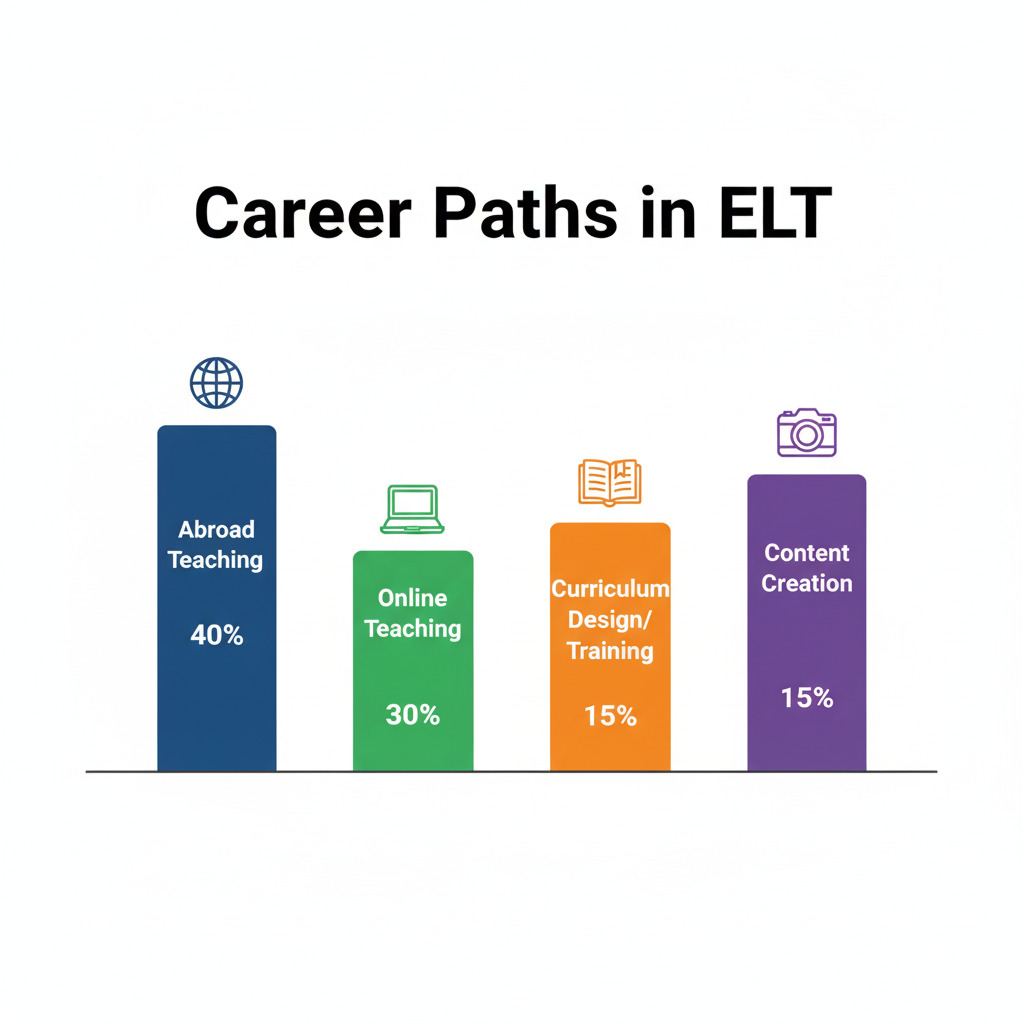
Think of the ESL career path as a flexible spectrum rather than a ladder: you can move between in-country teaching, online classes, and content or training roles as your experience grows. Over time, you might progress into mentoring, teacher training, or even programme management.
Continuous professional development is key. Advanced certificates, MA degrees in TESOL, or short specialist courses can open new opportunities and boost your earning potential. Networking – through conferences, online communities, or teacher forums – can also help you find your next step.
Wherever you teach, remember that your certificate is just the beginning. The real growth happens in the classroom, through the learners you meet, and the lessons you learn along the way.
What is the best certificate for teaching abroad?
Non esiste un singolo certificato “migliore”.
Do I need a degree to teach English abroad?
Requirements vary by country and employer. Many destinations prefer applicants with a bachelor’s degree and a recognised ESL certificate; some roles accept strong teaching credentials and practical experience without a degree. If you plan to teach in public schools or in highly regulated markets, a degree combined with a professional certification is often advantageous.
How long does it take to complete an ESL certificate?
I corsi variano da poche settimane per certificati TEFL/TESOL compatti a diversi mesi per programmi più completi o regolamentati nel Regno Unito.
Are online ESL certificates respected by employers?
Yes, particularly when the course includes supervised teaching practice, credible assessment, and a recognised awarding body. Look for programmes with clear practicum requirements, opportunities for real teaching, and constructive feedback from experienced mentors. Reputation matters; combine online flexibility with a proven record of outcomes.
How can I verify that a course is Ofqual-regulated or Ofqual-aligned?
Check the awarding body’s status with Ofqual and confirm the course’s alignment with the Regulated Qualifications Framework (RQF). Ofqual’s guidance clarifies what constitutes a regulated qualification and how it is recognised by employers. If in doubt, contact the provider or Ofqual directly for confirmation before enrolling.
Quali opportunità di carriera esistono oltre all'insegnamento in aula?
ESL professionals often pursue roles in teacher training, curriculum development, educational technology, content creation for ESL platforms, assessment design, and international education consultancy. Building a solid portfolio of lesson plans, student outcomes, and reflective practice can help you transition into these roles over time.
How important is practicum in an ESL certificate?
Molto importante. Un tirocinio sostanziale fornisce esperienza reale di insegnamento, pratica nella gestione della classe e feedback dai mentori.