

A Practical Guide to Teaching English in Italy with TEFL and TESOL

Italy offers a rich range of possibilities for English teachers, from lively urban centres to the sunny southern coast. The crux of it is for many emerging teachers the road starts in Italy with the correct TEFL or TESOL certification and a clear plan for the Italian education system.
Interesting, this is a real winner but the process may seem complex, which certification best fits your destinations, how you can gain practical teaching experience and what visa or residency regimes apply if you are not a citizen of the EU. This guide is designed to cut through the noise providing practical fact-checked guidance aligned with international standards and UK Ofqual-style quality expectations. It emphasises reliable certification hands-on training and realistic expectations about job prospects and legal requirements.
You’ll find that if you want to teach English with confidence abroad or online the conclusions you are reaching now about certification and training will influence both your employability and your experience in Italy. The aim here is to help you choose a TEFL/TESOL path that suits your timeline budget and career ambitions, to understand what classroom skills you’ll need in Italian classrooms and to map out a pragmatic approach to finding work while staying compliant with visa rules. In the end you have a clear sense of how you can prepare a convincing profile for Italian employers and build trust.
Choosing the Right TEFL/TESOL Path for Italy Teaching
The right TEFL/TESOL path for Italy depends on your goals your current qualifications and how quickly you want to enter the classroom. The crux of it is for many newcomers the combination of good quality teacher training and structured teaching practice offers the best balance between credibility and practical experience.
If you’re aiming for private language schools or online teaching a well-respected TEFL or TESOL certificate with a strong practicum may be more immediately valuable than a longer university-linked programme. If you want to work in more formal settings or public institutions you can focus on programmes that offer supervised teaching practice and a stronger emphasis on classroom management strategies providing the means to save you time and effort.
The Italian Labour Market Dynamics
Here’s the point, the Italian labour market includes on-site roles online platforms and blended models.
- On-site roles: In major cities such as Rome Milan and Florence can be competitive but rewarding especially in private language schools that partner with international curricula.
- Online and hybrid roles: Often linked to digital teaching platforms offer flexibility and continuous contact with students helping you build a diverse portfolio.
To choose a course you must examine the extent of practical or teaching hours recognition by Italian employers the language of instruction during the course and the compliance of the programme with EU or UK pedagogy standards. What makes this different is that a certificate containing a solid teaching practicum and clear evaluation criteria translates more effectively into real-world classrooms.
Strategic Planning Questions
To make a well-informed choice map your plan against three practical questions:
- Where in Italy do you want to teach and what kind of institution is most common there?
- Do you prefer to study online on-campus or in a blended format?
- How soon do you need to begin teaching and what level of support do you want from your course provider after graduation?
Answering these questions helps you pick programmes with a proven practicum track record reputable validation by international accreditation bodies and a pathway to ongoing professional development.
Certification Options for Teaching English in Italy
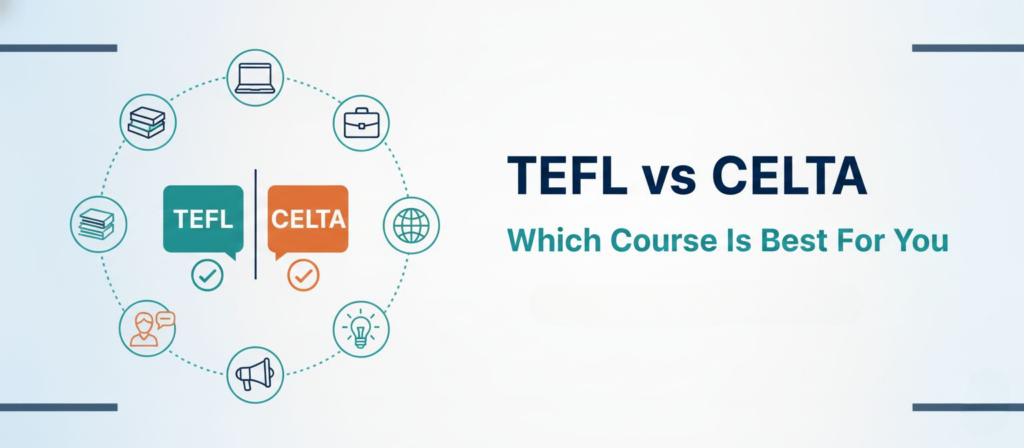
Certification is the gateway to credibility in Italy’s TEFL/TESOL market. The most widely recognised paths include TEFL often 120–180 hours total TESOL similar duration depending on the provider CELTA from Cambridge and CertTESOL from Trinity. Each option has its own strengths, CELTA and CertTESOL are heavily practice-based with direct teaching hours under supervision, TEFL/TESOL certificates offered by reputable providers may offer flexible online formats with integrated practicum. Ofqual-regulated programmes are particularly valuable for learners seeking a UK-aligned standard though employers in Italy recognise many high-quality certifications globally provided the programme has a credible practicum a recognised awarding body and robust quality assurance.
Certification Options at a Glance
| Certification | Typical duration | Delivery format | Key advantages | Italian employer recognition |
| TEFL (standard) | 120–180 hours | Online or on-campus | Flexible, widely available | High in private language schools; varies by provider |
| TESOL | 120 hours+ | Online or blended | Strong practicum; classroom focus | Well-regarded in many private institutions |
| CELTA (Cambridge) | 4 weeks full-time or equivalent | In-person | Intensive practicum; strong classroom skills | Highly trusted by mainstream language schools |
| CertTESOL (Trinity) | 4 weeks full-time or online | In-person/online | Balanced practice and theory | Broad international recognition |
| DELTA/DipTESOL | Part-time across several months | Study plus teaching practice | Leadership, curriculum design | Preferred for senior teaching roles and coordination positions |
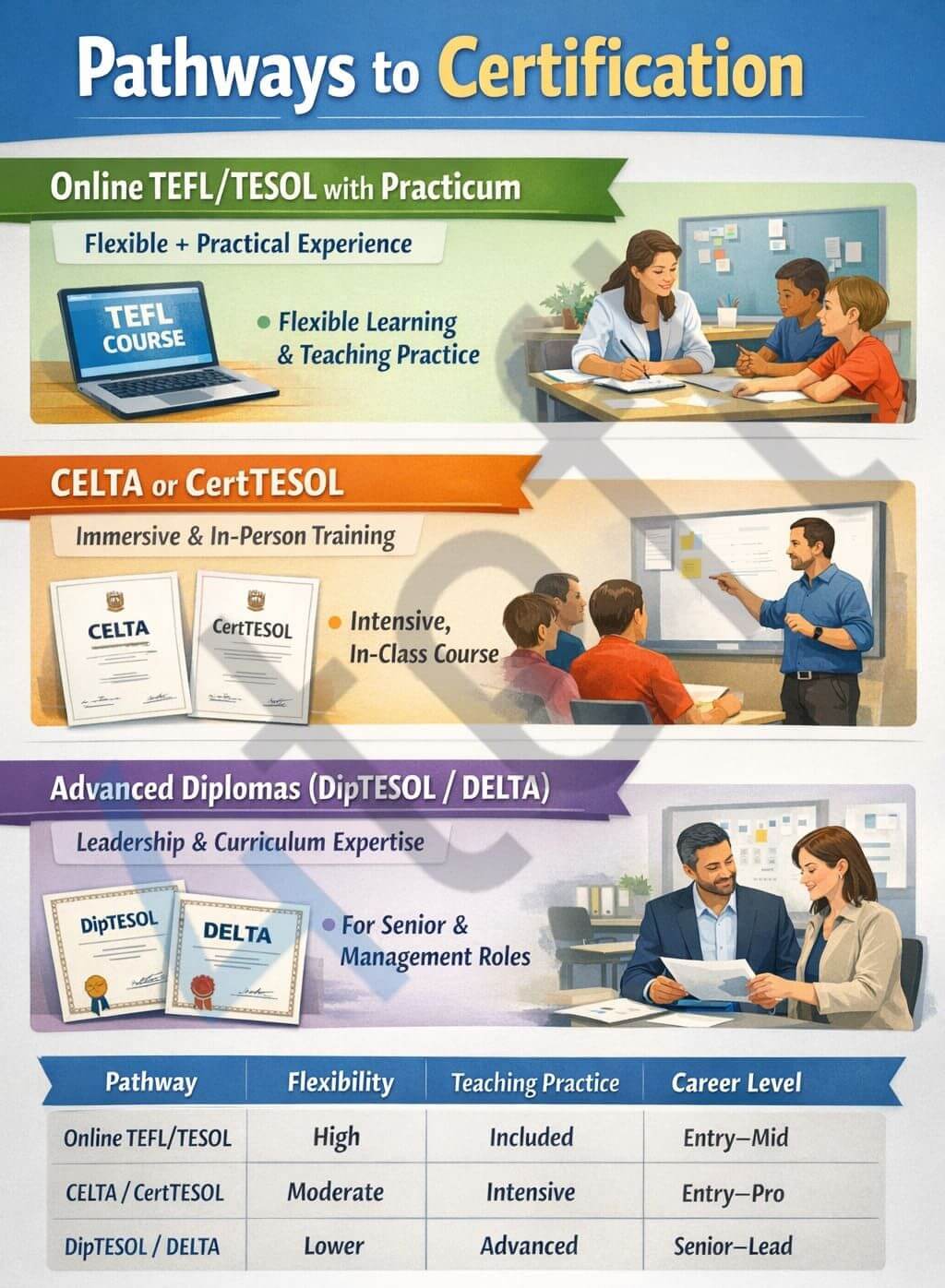
What makes this different is that three considerations must be taken into account when selecting certification: accreditation and the credibility of the organisation, the quality and quantity of the practicum and post-course support for placement or career coaching. In Italy employers pay particular attention to classroom competence and success in observed teaching practice.
Make sure your course includes a supervised practicum with observed teaching feedback sessions and a solid assessment framework. In addition you should consider long-term recognition. The truth is if you want to work in Europe in the long term a quality-regulated qualification or a qualification recognised by the EU can be beneficial. For precise and up-to-date guidance consult official government sources or recognised educational institutions on the recognition of certificates in Italy.
Practical Training and Classroom Skills in Italy
When acquiring a certificate practical training and classroom skills are the elements that will help you succeed in Italian classrooms. Italian learners often respond well to clear structure engaging activities and a respectful collaborative learning environment. A strong programme will highlight lesson planning aimed at clear learning outcomes sequencing that gradually develops language skills and varied activities to meet different proficiency levels. You’ll also need to be adept at classroom management, setting expectations from the first day establishing routines and using pair and group work to promote autonomy while maintaining a calm orderly learning atmosphere.
Culturally Responsive Teaching
Italian classes benefit from culturally responsive teaching approaches. Incorporating authentic materials such as travel narratives food culture or regional Italian media can make lessons meaningful and motivating. Error correction is generally supportive rather than closing down communication saving you time and effort.
In addition assessment competence is essential, you’ll design formative assessments supply constructive feedback and use clear criteria to communicate progress to learners and their families. This practical preparation is often provided through a combination of micro-teaching peer review and reflective teaching journals. A thoughtful practicum allows you to experiment with different methodologies such as task-based learning communicative language teaching and differentiated instruction while receiving actionable feedback from mentors.
Preparation Tip: Before starting teaching in Italy rehearse common classroom scenarios: welcoming students managing mixed-ability classes supporting pronunciation and listening and integrating technology responsibly. Technology is a powerful ally in the Italian setting where you can utilise interactive boards language applications and online resources to increase engagement. Be ready for different levels of access to devices in different schools and always have a low-tech option saving you time and effort. Successful practitioners combine strong pedagogy with resilience flexibility and a commitment to sustainable professional development.
Job Prospects and Visa Guidance for TEFL in Italy
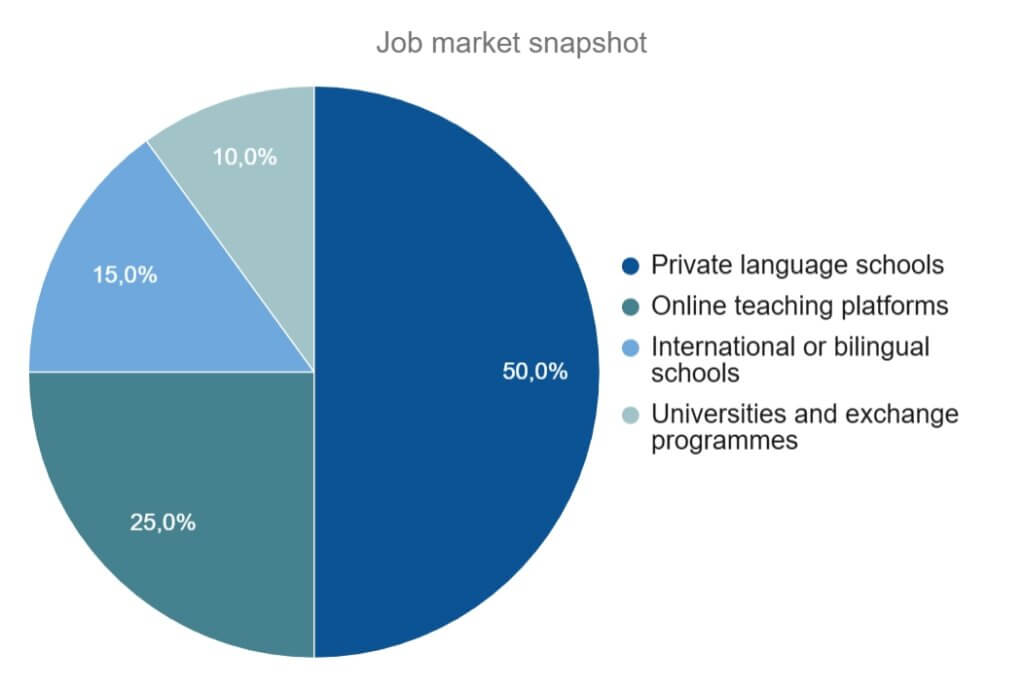
Italian demand for English teachers is higher in large urban and tourist areas where language skills support businesses hotels restaurants and international education. Private language schools form a large part of the teaching opportunities for English and often seek teachers with a credible TEFL/TESOL certificate and practical teaching experience. International schools and exchange programmes can offer more formal roles, these positions may be competitive and depend on additional qualifications and skills helping you save time and effort. Online teaching continues to grow in Italy providing flexible income streams and opportunities to work with learners across time zones which can complement on-the-ground roles.
Visa and Residency Requirements
When considering visa and residency non-EU citizens typically need a work visa and a Nulla Osta work clearance from Italian authorities followed by a residence permit Permesso di Soggiorno upon arrival. The employer often plays a central role in initiating the visa process although applicants should verify the exact steps with the Italian consulate or embassy that covers their home country and stay aware of any changes in immigration policy.
EU/EEA and Swiss citizens have simpler rules of entry and residence helping you save time and effort. Because visa requirements change and can be nuanced especially for language teaching versus long-term employment always consult official government guidance and your local Italian consulate before making travel or employment plans. The landscape is subject to shifts in policy bilateral agreements and regional implementation so current authoritative sources are essential.
Labour Market Outlook
A realistic view of the Italian labour market can help you prepare effectively. Most advertised TEFL roles are concentrated in large cities and university towns with strong demand along coastal and tourist regions during the season. Language schools often seek teachers who can offer flexibility, evening and weekend classes are common and many schools appreciate candidates who can contribute to summer programmes or intensive language courses. Online platforms add an additional dimension allowing you to create a varied portfolio and receive teaching income while pursuing opportunities on the ground.
Practical Action Plan
- Step 1: Decide on your target cities or regions in Italy and identify what type of role you want private language school online international school or university.
- Step 2: Choose a TEFL/TESOL programme that includes a robust practicum and opportunities for teaching observations.
- Step 3: Build a teaching portfolio that includes lesson plans video demonstrations and feedback from your practicum supervisor.
- Step 4: Research visa requirements and start gathering essential documents early.
- Step 5: Start building connections with Italian language schools or online platforms.
Authoritative Sources and Fact Checks (References)
- Ministero dell’Istruzione e del Merito (Ministry of Education, Italy): Official information on the Italian education system and teaching requirements.
- Ministero degli Affari Esteri (Ministry of Foreign Affairs, Italy): Authoritative guidance on work visas, “Nulla Osta,” and residency permits for non-EU citizens.
- Cambridge English (CELTA): Details on the CELTA qualification, one of the leading certifications recognized in Italy.
- British Council Italy: Guidance on teaching standards and English language education in Italy.
- Ofqual (The Office of Qualifications and Examinations Regulation): To verify the regulation levels for professional teaching qualifications.
Do I need to speak Italian to teach English in Italy?
Not necessarily. Many English-teaching roles require English fluency and a TEFL/TESOL certificate, and in private schools, English classrooms often operate in English. Basic Italian can help with classroom management, cultural navigation, and student rapport, but it’s usually not a requirement for entry-level positions. For roles in public sector institutions or with Italian-language curricula, some level of Italian proficiency may be advantageous or required.
Can I find teaching work in Italy with online TEFL/TESOL certification only?
Online certificates with a solid practicum can be a stepping stone, particularly for private language schools or online teaching roles. However, employers value hands-on classroom experience, so be prepared to show evidence of teaching practice, lesson plans, and feedback from supervising mentors. Some schools may prioritise candidates with in-person practicum or CELTA/CertTESOL credentials.
What qualifications help me teach in Italy’s public schools?
Public schools typically require formal teaching credentials and may require recognition of foreign qualifications through national or regional processes. In many cases, a university degree plus teacher training in your home country, and sometimes a local teaching license, is expected. If you intend to pursue long-term teaching in the public sector, researching Italy’s specific requirements through the Miur (Ministero dell'Istruzione) and the local prefectures is essential.
How long does it take to start teaching after I enrol in a TEFL/TESOL course?
It depends on the programme. A short, 120-hour TEFL course with practicum can allow you to begin teaching as a substitute or part-time teacher within a few weeks of completion, depending on job opportunities. More extensive programmes with additional practicum hours or a master’s-level TESOL may take several months but can provide deeper pedagogical training and better job prospects.
What are the main visa considerations for non-EU teachers?
Non-EU citizens typically require a work visa and a Nulla Osta to work in Italy, followed by a residence permit after arrival. The employer often facilitates this process, but you should verify all steps with the Italian consulate or embassy in your home country. Visa rules can change, so up-to-date official guidance is essential.
Is teaching English in Italy a good long-term career choice?
Yes, for many teachers, Italy offers diverse opportunities across cities, tourist regions, and online platforms, with potential for progression into coordinator roles or teacher training. Networking, ongoing professional development, and a strong practicum portfolio can help you move into leadership positions or curriculum development roles over time.




Responses