English Teaching Jobs in Taiwan: Your TEFL Guide


English language teaching in Taiwan offers a mix of traditional classrooms, new language centres and lively urban life. The reality is that for many aspiring teachers the path is complex from the first step to the role accomplished abroad. This includes understanding what is certification, what visa stages it symbolises and how to navigate a marketplace with public and individual opportunities. This template aims to demystify the process, provide reliable and practical information and relate to certification opportunities and training to recognised standards, easing the process of making your CV competitive.
If you plan to teach English overseas or online you will want advice that is both practical and credible. Taiwan’s English education policy is evolving. Want a better approach? EFL, TESOL or CELTA certification can open doors across sectors and help with visa and employment authorisation steps once you have formed your plans. Here is what you should know: continue reading for the prospects of documentation pathways, employers and how to maintain a consistent and rewarding teaching experience in Taiwan.
No matter where you come from or what your native language is, the Taiwan market rewards practical preparation, solid classroom management and a professional method of thinking. This is where it gets excellent: the following content will help you construct your itinerary, make a competitive profile and confidently contact employers. What makes this different is that we present the wage and lifestyle realities that will serve your expectations and budgets as you head towards your first teaching contract in Taiwan.
Market Structure and Employer Types
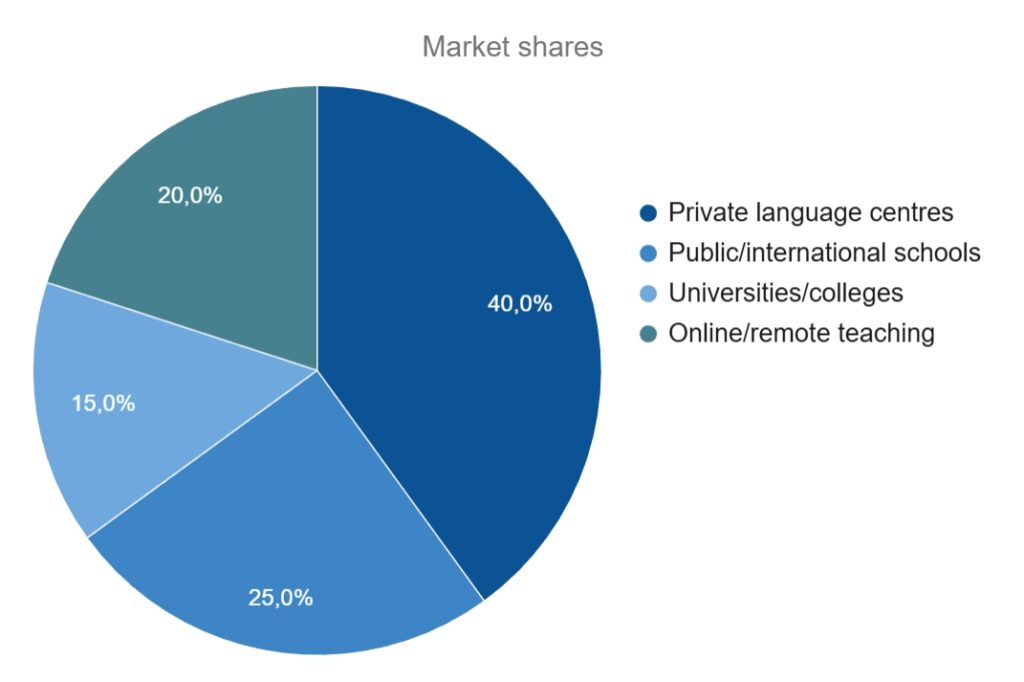
Unlike other options, throughout Taiwan English teacher jobs cover several spheres each with its own requirements, wages and submission points. You will find that public and publicly funded programmes often seek teachers who meet the standards and who can contribute to yearly or multi-yearly contracts. While it may seem complicated, private language centres (buxibans) offer more flexible entry paths and varied schedules often with more hours but varying costs and standards. International universities and schools also provide options.
What is interesting is that the most common method to take English courses in Taiwan is to combine a recognised TEFL, TESOL or DELTA credit with a bachelor’s degree and a clean background check. Employers appreciate the practical skills, the intelligent provision of paths and the ability to adapt to different classrooms.
Market Demand and Regional Outlook
What is really great is that the demand in Taiwan includes the ongoing reform of English terminology studies, parents’ anticipation of English language knowledge for children and the development of external school and substitution programmes. Larger cities such as Taipei, Taichung and Kaohsiung offer more chances and a larger role while regional centres can offer an affordable life and a different pace of education.
What makes this different is that for those preparing to teach in Taiwan it is wise to design a plan that includes:
- Selecting a certification for your target sphere.
- Developing practical teaching experience.
- Understanding the visa framework so your documentation is in compliance with relevant demands.
This section summarises the market and the impact of different qualifications on eligibility and career evolution. Educational institutions are investing heavily. The reality is that in addition to the certifications you should consider focusing on classroom technology, evaluation strategies and teaching methods including those that help multilingual learners. Taiwan’s education market rewards those who demonstrate reliability, cultural sensitivity and a willingness to deal with local educational standards.
Certification Pathways: TEFL, TESOL and CELTA in Taiwan
Choosing the right certification is a vital step in your Taiwan journey. TEFL (English as a Foreign Language) is a broad family that includes online options and in-person courses with a common minimum of about 120 hours and a practical component. Looking for challenges? TESOL (English for Speakers of Other Languages) often reflects TEFL in its structure but can highlight collaborations with speakers of other languages in different contexts. Just so you know, CELTA is also a key certificate. In Taiwan employers in different sectors value these recognitions which often favour private international schools and certain academic functions. To evaluate options you are looking for courses that include controlled practice, lessons and feedback from experienced tutors.
Selecting the Right Training
Your choice of training should be suited to your career goals and target area. If you want to work for an international school, a private university or a higher language centre then DELTA or other qualifications of high reputation can strengthen your CV and increase eligibility for competitive contracts. The truth is that online programmes can be convenient for learners with time or budget constraints but make sure your provider offers authentic practice and credible evaluation as some employers in Taiwan give priority to proof of actual teaching experience in the classroom. Honestly, what makes sense is to always check that your chosen certification is recognised by Taiwanese employers and that it meets the job expectations.
How should you choose a programme in Taiwan?
- First, you should clarify your preferred sector and your city.
- Compare the suppliers based on accreditation, recognition, the balance of theory and practice and the progression path.
- Progress into higher roles comes with post-certification training and the results of graduates.
Get this: some teachers find it useful to unite a TEFL certification online with a personal DELTA or equivalent practice in order to have both flexible training and practical experience. Trying to improve your position? The truth is that if you bid to teach in several places you need a fuller approach. Finally, establish if your certification supplier aids you with job search tips and access to resources that reflect the reality of the Taiwan market.
Many new teachers commence in Taiwan with a TEFL or TESOL course of at least 120 hours and a CELTA or Cambridge credential is completed if they take higher positions. Emphasis should be placed on quality. What is super helpful is that Taiwan’s employers value the management of classrooms, strong professional ethics and the ability to work with local students and co-workers. By opting for a credible certification path and combining it with targeted job search strategies you will be well placed for the Taiwan education market with confidence and clarity.
How to Secure Taiwan Teaching Visas and Work Permits
A successful visa and work permit process in Taiwan depends on the legal framework and ensuring employer requirements are maintained. Foreign teachers must have a work permit from the competent Taiwanese authorities and an Alien Residence Certificate (ARC) as shortly as they arrive so they reside and act legally in Taiwan. Get this: employers sponsor the work permit under the contract provided you have attained minimum qualifications including a bachelor’s degree and a verifiable TEFL, TESOL or DELTA certificate.
Looking for challenges? The process is smoother if you have clear support including background checks, certificates of completion and right translations if necessary. After receiving an offer of employment your employer will apply for a work permit with the competent authorities. Upon arrival in Taiwan you may want to complete your registration and contact local authorities to activate your ARC, leading to saving you time and effort. Pro hint: the timing of visa authorisation varies depending on the employer, the programme and your country of origin. Typical timelines range from several weeks to a few months but you should plan for possible delays and keep communication open with your employer throughout the process.
Practical Visa Tips
Practical hints for the visa phase are the commencement of the process as soon as your job offer is received, confirmation if your employer covers the work permit and visa and the guarantee that your safety covers the entire contract period. It is wise to arrange insurance coverage and access to health care during the transition. Unlike other alternatives, you will keep a collection of documents:
- Degree transcripts and certificates.
- Clean background check.
- Passport copies and reference letters.
- Readiness for translations if necessary.
Here is what you should know: working with a serious recruitment partner or a TEFL provider can assist you through administrative steps, limit realistic schedules and avoid mutual pitfalls. Some roles in Taiwan’s online or distance learning sectors may have different requirements and may not require a full work permit in the same way as in-person education. Always consult with official sources or a certified immigration consultant to confirm current essentials for your specific conditions. Taiwan’s employers will treasure your compliance.
Salary, Lifestyle and Teaching Markets in Taiwan
Understanding salary scales, living costs, and market dynamics is crucial to planning your move to Taiwan. In public schools and well-funded private international programmes, monthly salaries for foreign teachers typically range from NT$60,000 to NT$75,000 (roughly US$2,000-2,500). In private language centres (buxiban), hourly rates commonly fall in the NT$500-NT$800 band (about US$16-26 per hour), with weekly commitments often ranging from 15 to 25 hours. University positions can vary but often pay in the NT$50,000-NT$70,000 monthly range (about US$1,700-2,300), with some roles offering additional allowances, research duties, or language support roles. Online teaching or tutoring can supplement income with per-hour rates that range roughly from NT$250-NT$600 (about US$8-20), depending on platform, client base, and time zones. Remember that salaries differ by city, contract type, and your level of experience, and many teachers negotiate benefits such as housing allowance, flight reimbursement, or health insurance as part of a comprehensive package.
Earning Potential Summary
| Sector | Typical monthly salary (NT$) | Approx monthly GBP | Notes |
| Public and international schools | 60,000-75,000 | 1,500-1,800 | Includes government programmes; benefits vary |
| Private language centres (buxiban) | 500-800 per hour | 12-20 per hour | Flexible hours; varied locations |
| Universities / colleges | 50,000-70,000 | 1,200-1,700 | Often requires higher qualifications |
| Online/remote teaching | 250-600 per hour | 6-15 per hour | Flexible scheduling; platform-dependent |
Unlike other alternatives, life in Taiwan offers a mix of urban energy and access to nature with major cities providing modern amenities and effective public transport. Here is what you should know: the cost of living deviates considerably between cities and lifestyles. Rental costs in Taipei are higher than in regional cities but local markets and housing options can help manage prices. Healthcare in Taiwan is high quality and approachable with National Health Insurance (NHI) providing low-cost coverage for residents.
The market dynamics in Taiwan’s English instruction sphere are influenced by ongoing efforts to improve English terminology skills particularly among young scholars. International schools can offer more integrated career paths, chances for professional development and intercultural cooperation. You will find that for emerging teachers who require flexibility the combination of employment at a buxiban with online lessons can be a practical approach. Unlike other choices, people attempting long-term career growth may have priority in external schools or in university language centres which offer decision-making opportunities, syllabus development work and teacher training initiatives.
Final Planning Checklist
If you design to move you can create a realistic plan which includes:
- Visa preparation and documentation comparison.
- Budgeting for three to six months to cover initial costs.
- CV development highlighting practical experience, classroom management and evidence of student success.
- TEFL preparation which focuses on planning, evaluation and teaching strategies for multilingual learners.
- Networking through graduate networks, recruitment groups and local language exchanges in order to assist adaptation and make a professional network in Taiwan.
Authoritative Sources and Fact Checks
- Ministry of Education (MOE), Republic of China (Taiwan): Official information on education policies and the “Bilingual 2030” initiative.
- Work Taiwan (Ministry of Labor): Comprehensive portal for foreign professional work permits and labor laws in Taiwan.
- National Immigration Agency (NIA), Taiwan: Regulations regarding Alien Residence Certificates (ARC) and visa entry requirements.
- Taiwan Foreign English Teacher Program (TFETP): The official government-sponsored program for recruiting teachers for public schools.
Do I need a TEFL/TESOL certificate to teach English in Taiwan?
Most full-time English-teaching roles in Taiwan require a recognised TEFL/TESOL certificate, typically at least 120 hours, plus a practicum or teaching experience. Some positions may accept alternative credentials if you have substantial relevant teaching experience, but certification improves job prospects and contract terms. CELTA is particularly valued for international schools and higher-tier private centres. Always verify the specific requirements of each employer before applying.
Is CELTA required or preferred for teaching in Taiwan?
CELTA is not strictly mandatory for all roles, but it is highly regarded, especially for private international schools and university-affiliated programmes. If you plan to target competitive roles or leadership positions, a CELTA or similar certificate can strengthen your CV and help you secure better contracts. If you’re new to teaching, a reputable TEFL/TESOL course with a solid practicum can also be a strong entry point, particularly when paired with recent classroom experience.
How long does the visa process take to work in Taiwan?
Visa and work-permit timelines vary by employer, city, and your country of origin, but planning for several weeks to a few months is prudent. Employers typically sponsor the work permit, and you’ll apply for a resident visa and ARC after arrival. Maintain clear communication with your employer and ensure you have all required documents (degree certificates, TEFL/TESOL certificate, background checks, translations if needed) ready to expedite the process. Always consult official government guidance for the most up-to-date procedures.
How should I evaluate certification providers?
Prioritise accreditation, demonstrable practicum hours, and evidence of trainee outcomes. Look for providers that offer post-completion job-support, portfolio-building opportunities, and alignment with international teaching standards. For Taiwan, choose qualifications that are widely recognised by recruiters in your target sector and city. If possible, connect with alumni to understand how their certificates translated into real job offers.
What are practical tips for first-year teachers in Taiwan?
Start with clear contracts including housing, flight reimbursement, health insurance, and work hours. Build a teaching portfolio that includes lesson plans, assessments, and reflective practice. Learn basic Mandarin phrases to support classroom communication and show cultural respect. Network with local teachers and online communities to share resources and stay informed about policy changes and job openings.