Mastering IELTS Practice: A Comprehensive TEFL Guide

The outstanding thing is IELTS is a demanding benchmark for learners and a credential for teachers offering both convenience and quality. You can utilise it if you are a TEFL professional aiming to teach abroad or online, as mastery of IELTS means more than acquainting learners with test formats; it requires turning official standards into engaging lessons with real communicative power. Facing challenges? This guidebook offers practical, evidence-based strategies to assess, design and deliver IELTS instruction with clarity and confidence. It emphasises real classroom practice.
Understanding the Assessment Model
What makes this different is that the value of IELTS teaching rests on a clear understanding of how the test is designed to appraise language ability across four skills: listening, reading, writing and speaking. The bottom line is that for TEFL professionals this implies translating band descriptors into actionable classroom targets, aligning tasks with official criteria and using reliable tools to measure progression. This is unbelievably effective: a solid grasp of the assessment model helps teachers set accurate expectations, choose appropriate materials and grade feedback to each learner’s stage of development by modelling realistic assessment.
TEFL practitioners should routinely incorporate official IELTS materials into lesson preparation. Here’s the thing: this means interpreting the criteria for task response, coherence and cohesion, lexical resource, grammatical range and accuracy for writing and the listening and reading task-specific expectations into concrete classroom tasks. For example a writing task can be planned to require a clear stance, logical progression and precise use of discourse markers and a listening task can focus on recognising paraphrase and recognising signpost language. Need a better approach? By treating assessment criteria as teaching milestones tutors help learners internalise the conventions of academic and semi-formal language use alongside exam proficiency.
Formative Assessment Techniques
A TEFL professional should develop a toolbox of formative assessment techniques that mirror the IELTS demands. Here’s the thing: simple mini-rubrics, short oral interviews and quick writing checkpoints keep learners informed about current performance and next steps. This is absolutely indispensable: it is important to balance accuracy-focused feedback with strategy-focused guidance by pointing out phrasing improvements and highlighting effective planning, note-taking and time management in a single constructive session.
IELTS Components at a Glance
| Component | Typical Duration in the Exam | Number of Items / Tasks | Key Skills Emphasised |
| Listening | 30 minutes (plus 10 minutes to transfer answers) | 40 questions | Listening for gist, detail, and paraphrase; recognising speaker attitudes and attitudes |
| Reading | 60 minutes | 40 questions | Skimming, scanning, understanding arguments, identifying writer’s stance |
| Writing | 60 minutes | 2 tasks | Task 1: summarising/ describing visuals; Task 2: articulating a coherent argument with cohesive structure |
| Speaking | 11–14 minutes | 3 parts | Interaction, fluency, accuracy, pronunciation, and ability to develop ideas |
You’ll know that in IELTS reliability and fairness are central, uniting functionality with aesthetic impact. You know that UNESCO and recognised international education bodies stress the value of transparent grading criteria and standardised assessment procedures. This is absolutely essential: for TEFL professionals incorporating examples of high-quality responses, annotated samples and model speaking performances helps demystify the marking scheme and reduces anxiety.
Designing IELTS Lessons: Techniques for TEFL Practitioners
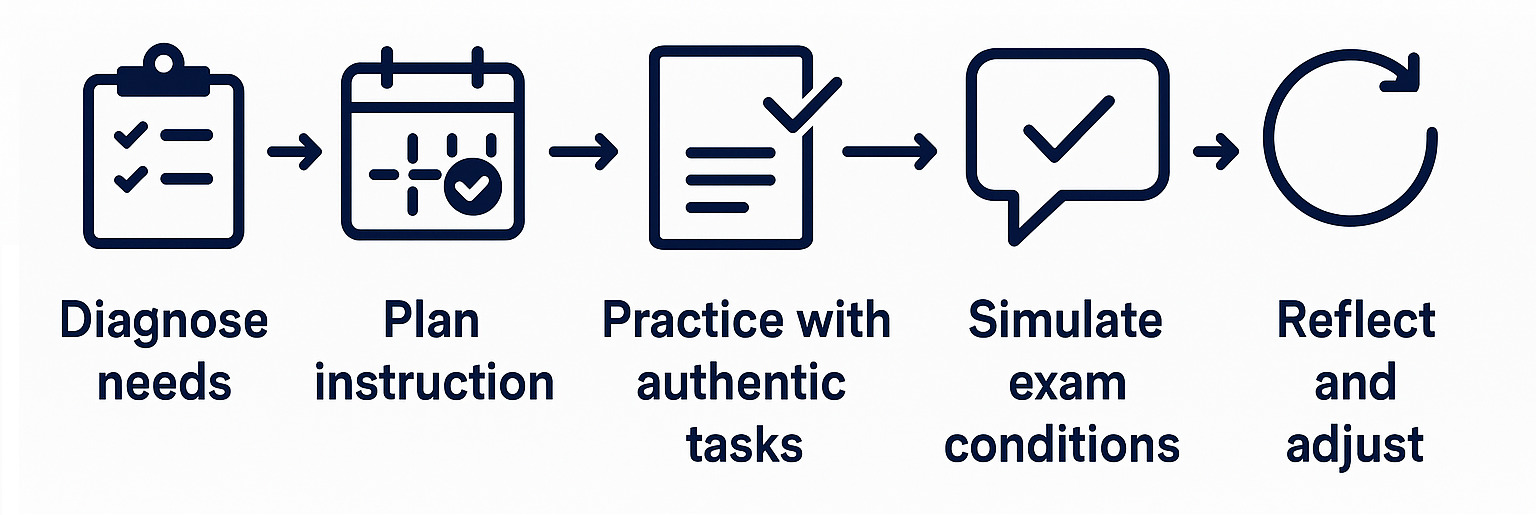
Effective lesson planning starts with backward design: identify a learning outcome tied to an IELTS standard, then design activities that scaffold the skills students require to reach that outcome. Here’s what you should know: for TEFL professionals this means selecting authentic texts, clear modelling, timed practice and integrated feedback that matches the exam’s demands. A well-structured lesson will thread listening, reading, writing and speaking tasks into a coherent sequence that builds transferable communicative competences while developing the specific examination techniques required by IELTS, leading to making your working life easier.
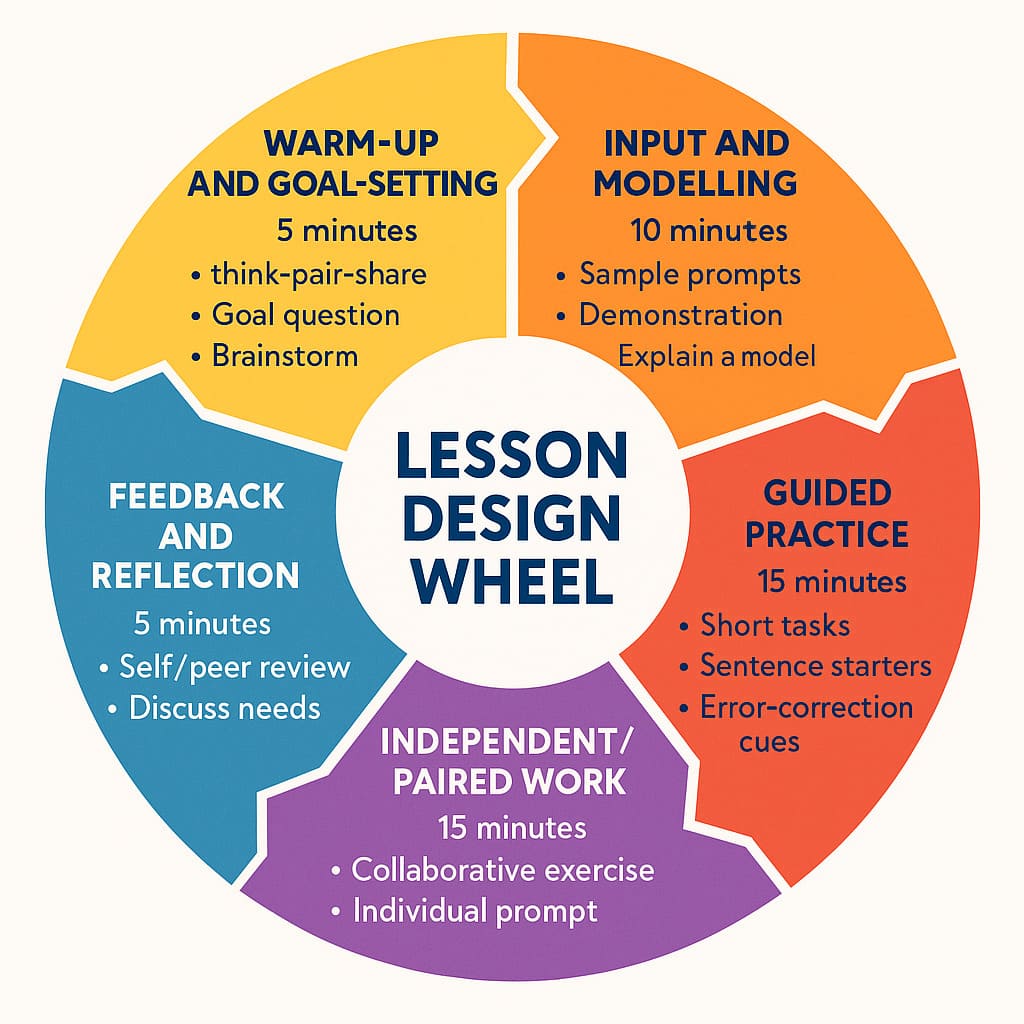
It’s worth noting that a practical approach is to structure a typical 60–90 minute lesson around a focused skill set, offering both practicality and quality. You can begin with a brief orientation to the task type followed by guided practice with explicit strategies (for example recognising paraphrase in listening or identifying topic sentences in reading). Facing challenges? Move into controlled practice with scaffolded tasks such as completing short-answer questions before tackling full-length tasks, then finish with a reflective, feedback-driven performance stage. By alternating between input, practice and reflection you keep the lesson purposeful and balanced.
To maximise impact integrate a blend of individual, pair and group activities, offering both convenience and quality. Here’s what you should know: individual tasks encourage personal accountability, pair work supports language negotiation and error correction in real time and group projects simulate collaborative problem-solving under time pressure, a common feature in IELTS speaking and integrated writing tasks. Integrating peer feedback during the lesson guided by concise criteria promotes self-regulation and fosters a classroom culture of constructive critique, helping you save time and effort when it is done clearly.
Assessment Techniques for IELTS Reading and Listening Mastery
Reading Mastery
Reading assessment hinges on a repertoire of strategies that help learners manage time, identify question types and recognise paraphrase and inference. You’ll notice that you should teach learners to skim for gist, scan for specific information and use logic and context to deal with unfamiliar vocabulary. This is a game-changer: transferable reading strategies such as predicting content from headings, evaluating options and checking answers against the text support genuine reading as well as test performance. Regular practice with authentic tasks strengthens these routines.
Listening Mastery
Unlike other options listening mastery requires a related but parallel focus, listening for gist, recognising specific details and understanding meaning or attitude. You’ll find that learners should practise note-taking, recognising signal language such as contrast, cause and sequence and identifying paraphrase in the listening text. Facing challenges? Encourage learners to listen actively, make informed predictions about speaker intent and manage their time by anticipating question types and planning answer strategies. Linking listening and reading strategy work reinforces skills across both papers.
To support progress set up focused practice tasks that address common weaknesses such as completing tasks under time pressure, dealing with distractors and managing accent or ambiguity in spoken input. And the best part? Here’s the thing: a well-structured practice routine includes a range of item formats – multiple choice, matching, summary completion and short-answer questions – so learners become fluent with the main IELTS task types. Clear improvement in accuracy and speed across practice tests is a reliable indicator of readiness for the real exam, helping you save time and effort.
Sample IELTS Reading and Listening Practice Schedule (4 weeks)
| Week | Focus | Activities | Assessment Methods |
| 1 | Skimming and Scanning | Short passages with timed tasks; headings exercise | Formative checks; brief rubrics |
| 2 | Paraphrase and Detail | Paraphrase recognition tasks; note-taking drills | Quick-mark rubric; peer review |
| 3 | Time Management | Full-length reading sets; practice with timelines | Mock test results; teacher feedback |
| 4 | Integrated Skills | Listening for note accuracy; reading-to-listen integration | Overall progress review; targets set |
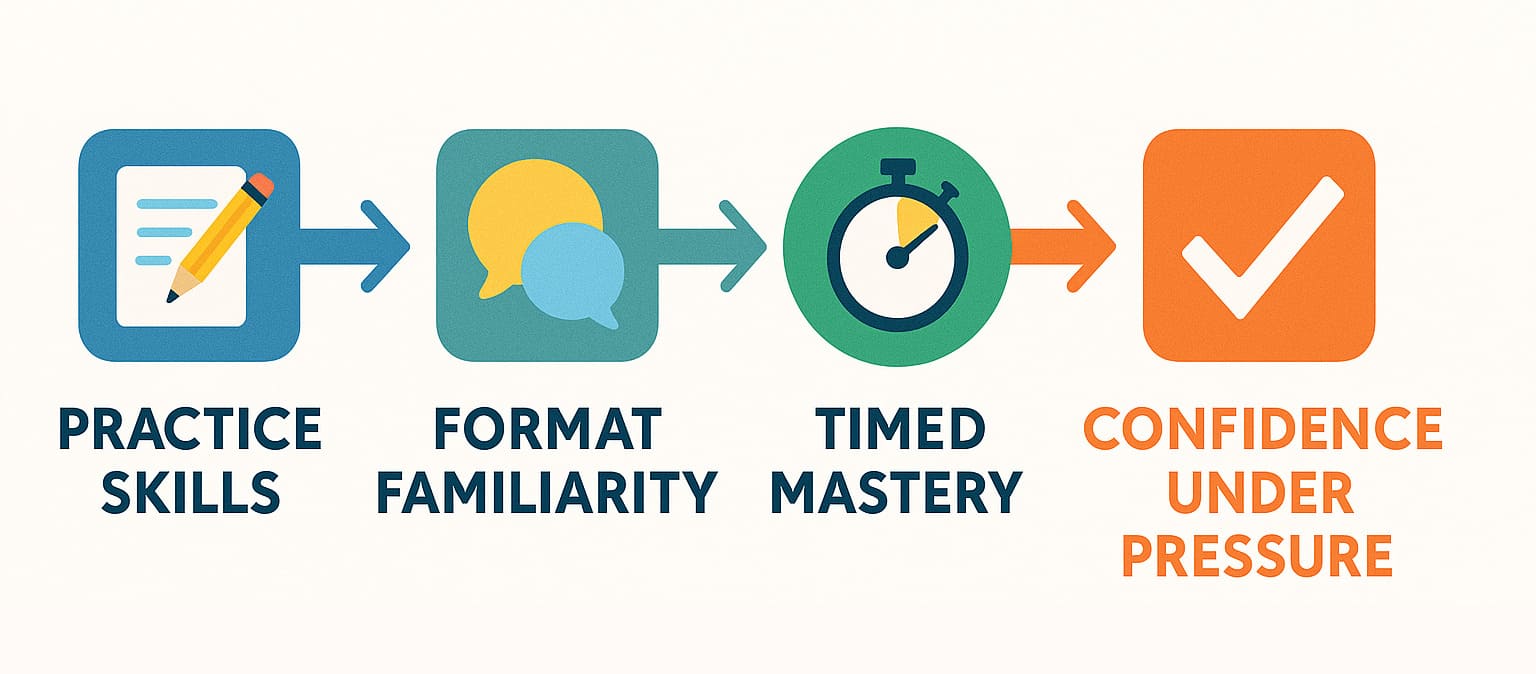
A recent trend in IELTS assessment is the rise of computer-delivered testing and integrated online practice. Here’s what you should know: TEFL professionals should be comfortable with digital platforms that simulate official test conditions, including timed sections, automatic grading for certain item types and space for asynchronous feedback. The shift to online environments highlights the importance of accessibility, clear instructions and dependable expert support so learners can engage fully with the test format and demonstrate their language skills with composure and accuracy, helping you save time and effort.
Effective Feedback and Benchmarking for IELTS Tutors
Feedback should be timely, specific and actionable. Here’s the thing: rather than offering only general praise or criticism provide concrete examples of what to change, why it matters and how to improve. Use criteria that align with IELTS band descriptors and share examples that demonstrate both strong and developing performances, helping you save time and effort. Encouraging learners to reflect on this feedback is essential. It’s worth noting that the aim is to guide learners towards self-direction rather than dependence on teacher prompting, uniting functionality with aesthetic appeal.
Benchmarking is about tracking progress over time and turning data into targeted instruction. What’s interesting is that you can design a simple progress-tracking system that records scores across mock tests, task-specific results and self-assessment notes. Visualisations such as progress bars or monthly charts can make improvements tangible for learners and motivating, making your work easier. Regular benchmarking helps teachers adjust focus and helps learners see growth.
Common pitfalls in feedback include over-emphasising errors in isolation, ignoring the effective strategies students already use or failing to connect feedback to concrete steps. The key point is that a balanced approach acknowledges strengths, gives precise corrective guidance and provides next-step tasks that bridge the gap to the next performance level. Need a better approach? When feedback is grounded in clear criteria and delivered with empathy learners stay motivated and are more likely to improve systematically.
Emerging Trends in IELTS Assessment and TEFL Practice
One thing to remember is that the IELTS ecosystem continues to develop with innovations in test delivery, automated scoring and enhanced remote learning options, combining functionality with aesthetic appeal. You can leverage computer-delivered IELTS to expand access and consistency and AI-supported feedback tools can complement teacher judgement by offering rapid initial comments. TEFL professionals should stay abreast of these developments while maintaining a human-centred approach that recognises the subtleties of discourse, pronunciation and pragmatic language use that machines cannot fully capture, making your life easier.
What makes this different is that integrated skills, authentic assessment and performance-based tasks are shaping the next generation of IELTS preparation. Here’s what you should know: rather than teaching in isolated silos many programmes link speaking with writing or listening with reading through cross-curricular tasks that reflect real-world communication needs. Want a fuller approach? This approach supports diverse learners by prioritising communicative competence alongside formal accuracy while adapting to varying regulatory requirements.
Here’s something cool: inclusive teaching remains a central concern, offering both convenience and quality. Here’s the point: modern IELTS preparation accommodates multilingual classrooms, mobile learners and accessible materials. Need a fuller approach? These practices help learners from different linguistic backgrounds participate meaningfully and achieve real progress. Professional communities and online forums provide additional support.
Designing Inclusive IELTS Lessons for Diverse Learners
Diversity inside the classroom demands intentional planning around accessibility, cultural responsiveness and varied literacy levels. You can use multimodal inputs such as text, audio, video and visual aids to support learners who may struggle with traditional text-heavy tasks. Surprisingly, a better approach is to give clear instructions, break information into manageable chunks and offer plenty of practice with guided feedback so learners build confidence and reduce anxiety about exam performance.
In multilingual cohorts encourage learners to draw on their L1 resources to interpret patterns in English. The reality is that you can model comparative language features, provide glossaries for background terms and use scaffolds such as sentence frames to support higher-quality answers in speaking and writing tasks. Facing challenges? For learners with limited reading fluency or lower tolerance for cognitive load start with shorter tasks and gradually increase demands. Accessibility considerations such as font size and clear layout also matter.
Something to consider is that beyond classroom strategies inclusive assessment practices are essential, uniting functionality with aesthetic appeal. Get this: use varied task formats, allow alternative demonstrations of competence (for example oral instead of strictly written projects when appropriate) and provide extended time where practicable. This is absolutely indispensable: maintain ongoing communication with learners to identify barriers early and align instruction. An inclusive approach improves both performance and learner wellbeing.
Key Takeaways
A TEFL professional’s success in IELTS rests on a solid understanding of the test model, a strategic approach to lesson design and accurate constructive feedback, combining functionality with aesthetic impact. Put simply, by aligning classroom activities with official criteria you create meaningful learning experiences that translate into exam performance and real-world language use. Inclusive practice, ongoing professional development and informed use of technology will help you support diverse learners to reach their best on IELTS whether they are preparing abroad or online, making your professional life easier.
A well-structured programme combines targeted skills work with exam proficiency, reinforced by clear benchmarks and transparent feedback. You’ll notice that when learners understand what is required and see steady evidence of progress motivation increases and the path to higher bands becomes a collaboration between teacher and learner. With serious planning and reflective practice TEFL professionals can deliver IELTS instruction that is rigorous, supportive and genuinely effective, helping you save time and effort.
IELTS mastery is about more than a score. The best part is that you can focus on helping learners communicate effectively across situations, cultures and stages of life. Need a fuller view? Your role as a TEFL professional is to guide them there with clarity, patience and professional integrity.
Authoritative Sources and Fact Checks
- IELTS Official Website – Test Format and Band Descriptors: Provides the current, authoritative criteria for all four skills (Listening, Reading, Writing, Speaking), essential for aligning classroom targets with official standards.
- Cambridge English Assessment Publications: Academic papers and research on language assessment reliability, standardized testing procedures, and the psychometric validity of the IELTS exam.
- UNESCO’s Education Sector (on Quality and Transparency in Education): General documentation supporting the importance of transparent grading criteria and fair, standardized assessment procedures in international education (as mentioned in the article).
How long should I expect to prepare a beginner for IELTS success?
Timelines vary with learner starting points, but a structured plan of 8-12 weeks, with weekly milestones and regular mock tests, provides a realistic pathway for many learners seeking bands 5-7.
What is the most effective first focus for TEFL teachers new to IELTS?
Start with listening and speaking practice to build confidence in real-time language use, alongside basic writing and reading strategies, then gradually integrate full task-aligned practice as learners become more comfortable with test formats.
How can I balance test-focused practice with genuine language development?
Design lessons that combine authentic communication objectives with targeted exam techniques. Use test tasks as a scaffold while maintaining emphasis on fluency, accuracy, pronunciation, and vocabulary expansion in meaningful contexts.
What tools support effective IELTS teaching online?
Digital whiteboards, timed practice platforms, and rubric-based feedback templates help maintain consistency and clarity in online environments. Pair these with live speaking practice using video calls to preserve interaction quality.
How do I track progress across multiple learners with different needs?
Use a simple dashboard that aggregates scores from mock tests, task-based performances, and self-evaluations. Segment data by ability bands and set targeted aims for each learner or subgroup.