Navigating TEFL Certification and Career Paths in Mexico


English teaching in Mexico offers opportunities through private language schools, universities, and online programs. However, many emerging teachers face a maze of certification options, accreditation requirements, and uncertainties about what Mexican employers expect.
This article provides a practical guide based on evidence for EFL/TESOL documentation in Mexico, with a focus on quality standards, online pathways, credible classrooms, and well-defined career plans, simplifying the approach and making your life easier.
Understanding the Mexican Labour Market
The Mexican labour market for English teachers is varied. Private language schools often have different requirements. Public schools and international programs may require a certain level of education or a university degree, depending on the province and institution, allowing you to save time and effort.
As demands vary, it is important to check what a potential employer expects before registering for a course. The advantage of this guide is that it highlights:
- Practical steps
- Credible accreditations
- Career paths recognized by Mexican employers and international institutions
To make your certification work effectively, the guide covers certification in different areas: selection of credible programs, accreditation and quality standards, identification of the best online and classroom courses, and alignment of your education with the concrete results of your career. This is worthwhile: the guide provides a glossary and a practical table with typical certification paths.
Note: Information must always be verifiable with reputable sources, including public and educational institutions. Employers’ rules and expectations may change, so always confirm current requirements with your target employers or local regulators.
How to Certify for TEFL in Mexico: A Complete Guide
Certification is the first step to becoming a credible English teacher in Mexico, offering both convenience and quality. The market includes a range of qualifications, from short online certificates to professional diplomas. The goal is to take programs that have a practical pedagogical component and are recognized by employers both in Mexico and internationally.
Strategic Alignment
You should align your certification with your immediate objectives. For example, if you are considering working in international schools or universities, you may want a higher-level certificate such as DELTA or Trinity TESOL, combined with a bachelor’s degree. It is important to confirm in advance whether a potential employer places greater importance on certain certificates or on the combination of diplomas and degrees. Generally, priority is given to:
- Recognized accreditation
- Transparent examination
- Documented teaching practice
Logistics and Practical Experience
At the logistical level, some programs offer online study with a required teaching internship nearby, while others require immersive classroom sessions in Mexico or abroad. Programs that include virtual teaching practice, micro-teaching, and feedback cycles increase your confidence in teaching.
After completing certification, a compact portfolio – including a sample lesson plan, a teaching video, and reflective journals – can be compiled to support applications and interviews. The aim is to present a credible profile based on evidence of your ability to teach English in Mexican classrooms.
Accredited Courses and Ofqual-Style Standards in Mexico
Quality standards often refer to evaluation frameworks that are part of the UK qualifications system and are marketed internationally. Many Mexican employers accept TEFL/TESOL certificates from credible providers worldwide, regardless of local labels. Some schools prefer certificates that are formally recognized or aligned with accredited frameworks.
The Value of Accreditation
The tone of accreditation is more than a logo. In Mexico, employers can verify certificates with the issuing organization or request proof of internship or apprenticeship. Certificates are credible if supported by independent accreditation or confirmation by UK or internationally recognized entities.
- Higher-tier roles: Some international and private Mexican schools prefer teachers with a bachelor’s degree and a higher-level certificate (DELTA, Trinity TESOL).
- Entry-tier roles: Smaller schools may value practical experience and a strong teaching portfolio.
When selecting a course, check that the certificate is issued by a recognized body or adapted to UK or international standards. For regulated qualifications in the UK, you can verify the organization and certificate on public registers. Accreditation and portability are enhanced if the program has a virtual component and provides observation opportunities, documented feedback, and evaluation criteria.
Typical Certification Path Profiles (Quick Reference)
| Pathway | Typical Duration | Focus | Practitioner Hours | Prerequisites | Practicum |
| 120-hour Online TEFL | 4–6 weeks | Core teaching theory, lesson planning | 10–20 hours | None (varies) | Included in many programmes; supervised practice advised |
| 250-hour Online TEFL | 6–12 weeks | Advanced pedagogy, classroom management | 20–30 hours | Basic degree may help | Practicum usually included or optional |
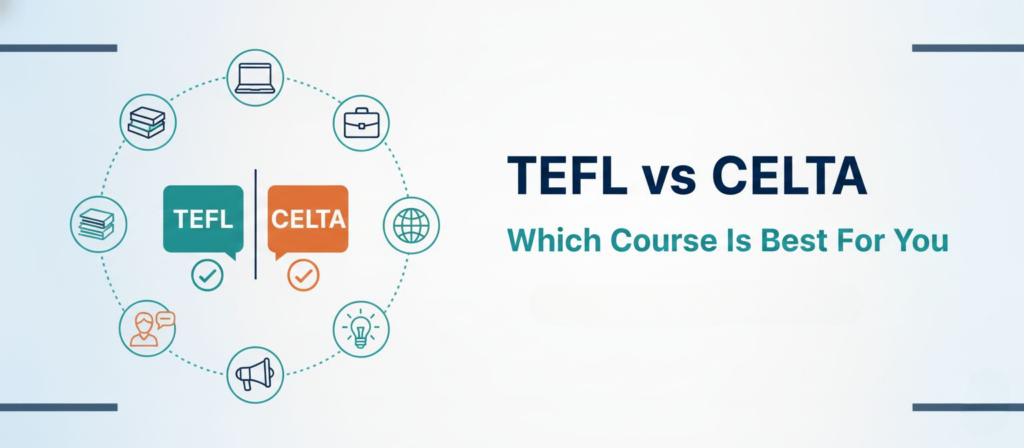
| CELTA (Cambridge) | 4 weeks (intensive) | Foundational, hands-on teaching | 6 weeks of teaching practice | Usually a bachelor’s degree or equivalent | Strong practicum with observed sessions |
| Trinity TESOL | 4 weeks (intensive) | Practical teaching, assessment for learning | 6–8 weeks | Similar prerequisites to CELTA | Structured teaching practice and assessments |
Top Mexico TEFL Certification Paths for Online and Classroom
The impressive part is the TEFL certification in Mexico includes online and classroom routes, volunteering both convenience and quality. Seriously though, online certificates, including 120 and 250 hours, offer flexibility for those who need to balance study with work already in Mexico or abroad. This is all worthwhile: they provide online theory and require a teaching internship, which can be done either in person or through school partnerships.
The Classroom Advantage
What makes this different is that class options such as Delta and Trinity TESOL provide teaching practice that is always supervised within a compressed time frame. These certificates are recognized by international employers and are particularly attractive to those who wish to play a more significant role in schools or in institutions that give priority to formal qualifications and the quality of education.
Strategic Sequencing
For prospective teachers in Mexico, a practical sequencing approach can be effective:
- Start with a credible online certificate to build foundational knowledge and a teaching portfolio.
- Supplement with an in-class course if you later decide to expand opportunities to international schools or government programs.
- Network with local schools to enhance your practicum experiences and build a professional résumé.
Certification Path Profiles – Mexico Context
| Pathway | Typical use case in Mexico | Advantages | Limitations | Best for |
| 120-hour Online TEFL | Entry-level roles in private schools, online teaching | Flexible, low cost, fast start | Limited practicum depth | Beginners seeking quick entry |
| 250-hour Online TEFL | Broad online and in-person roles | Deeper pedagogy, larger portfolio | Longer duration | Those balancing work with study |
| CELTA | International schools, well-funded private schools | Strong classroom practice, high portability | Higher cost, immersive | Those aiming for career progression |
| Trinity TESOL | International programmes, reputable schools | Robust assessments, extensive teaching practice | Scheduling and cost considerations | Ambitious teachers targeting networks |
Career Opportunities with TEFL in Mexico
What’s brilliant is that there are many career opportunities for TEFL-certified teachers in Mexico, ranging from private language schools and universities to in-company training programs and online platforms, combining functionality with practical appeal.
Key takeaways for career growth:
- Location: Well-paid positions are often found in Mexico City, Monterrey, Guadalajara, and other urban centres.
- Specialization: Certificates such as CELTA, Trinity TESOL, or DELTA can strengthen qualifications for international schools.
- Portfolio: Combining a credible certificate, a strong educational internship, and a portfolio of lesson plans and videos provides the strongest approach to career opportunities.
- Adaptability: Ability to adapt materials to local contexts and use culturally relevant pedagogy can improve performance in interviews.
Choosing Between Online and In-Class TEFL Training
Your learning style should guide your choice. Online courses offer flexibility and accessibility, while classroom programs provide structured schedules and supervised lessons.
Trying to ameliorate your situation? Here’s the thing, another significant factor is the type of schools you require to attend. Private language schools and e-learning platforms often accept e-certificates, especially in combination with a strong teaching portfolio. This is totally worthwhile: outside schools or more formal academic institutions may prefer DELTA or Trinity-Test qualifications.
As you plan your course of study, consider the professional development you want to follow. English is an area where current practice and feedback are important. Seeking opportunities for micro-education, networking with other teachers, and collecting documented evidence of student progress will help make your life easier. Some teachers have done this successfully. A thoughtful approach to options and planning will help you build a sustainable and satisfying teaching career in the country.
Legal and Visa Considerations for Teaching English in Mexico
The beauty of this is that effective work in Mexico requires a visa and work permit, providing both security and legality. Heads up, here’s what you should know:
- Work Permits: Foreigners who wish to teach in private schools or language centers receive work permits from their employer.
- Resources: Teachers should refer to the Instituto Nacional de Migración (IN).
- Online Teaching: If your plan includes online courses for non-Mexico clients, consider taxation and regulatory requirements.
Ultimately, always check visas and employment rules before finalizing your plans. Immigration policies can shift according to labor market needs and security regulations. The most reliable starting point is the official IN website.
In Short
Choose an online or classroom program, develop a portfolio showcasing lesson plans, teaching videos, and student progress. By building visibility and actively working with local schools and e-learning platforms, you can create a sustainable and rewarding career that helps Mexican learners acquire English skills.
Authoritative Sources and Fact Checks (References)
- Instituto Nacional de Migración (IN): Official portal for Mexican immigration, work permits, and legal stay requirements.
- Secretaría de Educación Pública (SEP): The Mexican Ministry of Education, providing standards for educational institutions and teaching requirements.
- Ofqual (The Register of Regulated Qualifications): The official UK government register to verify the accreditation and level of TEFL/TESOL certifications.
- Cambridge English (CELTA/DELTA): Information on internationally recognized teaching standards and certificate verification.
- UNESCO Education in Mexico: Global context on education trends and language teaching initiatives in the region.
Do I need a degree to teach English in Mexico?
Requirements vary by employer and region. Many private language schools accept a reputable TEFL/TESOL certificate without a bachelor’s degree, though international schools and government programmes often prefer or require a degree in addition to certification. It is important to verify the expectations of the specific institutions you are targeting.
What is the difference between TEFL and TESOL?
TEFL (Teaching English as a Foreign Language) and TESOL (Teaching English to Speakers of Other Languages) are terms used to describe the general field of English language teaching. In practice, many providers offer courses labelled TEFL or TESOL with similar content. The critical factor is the course’s credibility, practicum, and recognised accreditation, not the label itself.
Are Ofqual-regulated courses recognised in Mexico?
Ofqual-regulated or Ofqual-style qualifications are designed to align with UK frameworks and are widely understood internationally. In Mexico, employers often recognise credible international TEFL/TESOL certificates, particularly those with a solid practicum and teaching practice. It is best to confirm with your target employers whether they have a preference for specific UK-regulated credentials.
How long does it take to complete a TEFL certificate?
Online certificates typically take several weeks to a few months, depending on the level (e.g., 120-hour vs 250-hour), your time commitment, and the practicum requirements. In-class certificates such as CELTA or Trinity TESOL are usually completed in four weeks of intensive study, though schedules can vary. Costs also vary by country and provider.
Can I teach English online from Mexico?
Yes. Many teachers in Mexico combine online teaching with in-country work. However, you should ensure you meet any tax and regulatory requirements in Mexico for self-employment or business operations, and confirm client expectations about time zones and scheduling.
How should I prepare for job interviews in Mexico?
Build a compact teaching portfolio including a CV, sample lesson plans, a teaching video, and reflective teaching logs. Practise delivering a micro-lesson to showcase your classroom presence. Research the schools you apply to and tailor your portfolio to their learner profiles (age groups, proficiency levels, exam focus, etc.).
What are the best pathways to a long-term TEFL career in Mexico?
Start with a credible online certificate with practicum or a CELTA/Trinity TESOL, depending on your ambitions. Build practical experience in varied contexts (private schools, online platforms, community programmes). Develop a portfolio that demonstrates lesson planning, student outcomes, and reflective practice. Consider language learning of Spanish to support classroom communication and cultural rapport with learners.
Where can I verify the credibility of TEFL certificates?
Check with recognised awarding bodies or official regulatory frameworks. UK Ofqual provides guidance on regulated qualifications and accredited awarding organisations. For Mexico, verify with prospective employers and, where possible, request direct confirmation from the awarding body. UNESCO and national education authorities can provide broader context about language education in Mexico.