Opportunities and Realities for Non-Native English Teachers Abroad


Are there ways for a non-native English speaker to teach abroad successfully? Often the answer is yes but the situation is nuanced. Employers, countries and visa regimes all differ and the most reliable avenues to jobs abroad integrate credible certification, practical teaching practice and a strategic approach to job searching.
This article offers practical guidance to those of us who will soon become teachers, one that looks at certification, alignment with international standards and ethical hiring practices. It also shows how you can develop a solid profile that can impress in a crowded business field while staying within professional and regulatory guidelines.
Eligibility for Non-Native Speakers to Teach Abroad
Non-native speakers generally land English education positions in the globalised world though qualification depends on local regulations and market demand. For many destinations the things they need must also be recognised:
- A bachelor’s degree
- A valid TEFL/TESOL certificate
- A clean criminal record check
In this regard countries often demand evidence of being legally allowed to work in their host country and evidence of proficiency in teaching English. In some situations employers will be inclined to prioritise native speakers; in other markets actual classroom ability, cultural sensitivity and a thorough localised teaching plan can override non-native status.
Key Considerations for Candidates:
- Targeted Research: The bottom line is that feasibility is job- or country-specific so doing targeted research before taking up one’s programme is imperative.
- Documentation: Most require a clear background check with where applicable a medical clearance or a police certificate.
- Regulatory Factors: Age restrictions, visa requirements and terms of the contract also determine if non-native teachers can get a job, renew a contract or establish long-term residency.
Advice: Make a map of entry requirements for target countries and notes for native speakers to set you up for success. Always check official government guidance in the host country and with credible TEFL/TESOL trainers.
What Certifications Do Non-Native Teachers Need?
Certifications form a critical credibility pillar for non-native teachers wishing to teach English overseas. A solid TEFL/TESOL certificate, with a solid practicum most likely, can illustrate teaching expertise and lesson planning, classroom management and assessment.
Standards of Training:
- Duration: Achieving the minimum of 120 hours of structured study is accepted as a minimum standard.
- Practicum: The strongest chances are found in certificates that incorporate a practicum of 6–20 hours supervised class work with actual students.
- Accreditation: CELTA, CertTESOL or equivalent qualifications (e.g. Postgraduate Diploma in TESOL) or Ofqual-regulated options in the UK enhance the environment.
Quality Checklist for TEFL/TESOL Programmes:
- Strong syllabus on language awareness.
- Lesson planning, classroom management, and assessment.
- Practical teaching practice with feedback.
- Observed teaching hours.
- Linkage with a recognised awarding body.
Comparison of Typical TEFL/TESOL Options
| Option | Typical Hours | Practical Component |
| 120-hour online TEFL | ~120 hours | Minimal or optional teaching practicum (varies by provider) |
| 120-hour TEFL with practicum | ~120 hours | 6–20 hours of observed teaching with real learners |
| CELTA / CertTESOL level course | ~120–130 hours | 6–10 hours of observed teaching; strong emphasis on classroom skills |
The Reality of Teaching Abroad as a Non-Native Speaker
The truth is nuanced: non-native English speakers do teach abroad and they do only qualified or performing teachers gain success during their career planning.
The Competitive Advantage:
- Multilingualism: Bilingual or multilingual capabilities.
- Empathy: Language transfer experience and the ability to effectively relate to learners from different backgrounds.
- Pedagogy: Preference for teachers who are able to exemplify culturally responsive learning practice.
Navigating Obstacles:
- Discrimination: Employers in certain markets may still discriminate; non-native language teachers can fight this with a sound teaching portfolio and evidence of learners’ success.
- Logistics: Work visas can be lengthy and complicated and include the need to sponsor document and if applicable regional residency approvals.
- Personal Adjustment: Language culture and homesickness are no laughing matter; success requires the grit of the individual and local networks of colleagues.
Finding Career Opportunities with TEFL/TESOL for Everyone
Career choices for teachers of English who cannot speak English without a native accent are a combination of targeted skills training, job searching and access to networks of career opportunities.
Strategies for Success:
- Targeted Search: Seek out places where hiring practices are inclusive and visa options are clear.
- Diverse Routes: International schools, online teaching, and language centres present alternative routes.
- Digital Presence: Create a strong digital portfolio which includes sample lesson plans, teaching demonstrations and notes from reflective practice.
- Professional Networking: Seek professional references from supervisors and colleagues.
Preparation for the Field:
- CV/Cover Letter: Focus on teaching philosophy, cross-cultural experience, and evidence of learner progress.
- Interviews: Prepare a short data-driven teaching demo and a presentation on dealing with diverse student needs.
- Mentorship: Ask peers and mentors who have taken similarly hard steps; pragmatic direction from someone who has made the move is the most helpful.
Through training that focuses on this skill finding the position and professional development that is best suited to them those who are not native teachers can not only lead their careers that meet the students where and what they teach but also thrive in the field region-based and intercultural arena.
Authoritative Sources and Fact Checks (References)
- British Council: Teaching English – Non-native English speaking teachers (NESTs)
- UNESCO: Teacher Policy Development Guide
- Ofqual (UK Government): Register of Regulated Qualifications
- Cambridge English: CELTA (Certificate in Teaching English to Speakers of Other Languages)
Can a non-native speaker really teach English abroad?
Yes. Many countries hire non-native teachers, particularly when you bring strong certification, practical teaching skills, and a proven ability to facilitate learner progress.
What is the minimum certification I should obtain?
A recognised TEFL/TESOL certificate with a teaching practicum (typically 120 hours plus 6–20 hours of observed teaching) is a strong baseline. CELTA or CertTESOL is highly regarded in many markets.
Do I need native English to teach abroad?
Not universally. Some markets favour native speakers, but many destinations prioritise teaching quality, cross-cultural competence, and demonstrable outcomes with learners.
How do I choose the right TEFL/TESOL course?
Look for accreditation by reputable bodies, clarity about practicum hours, alignment with international standards, and clear career services such as placement support and visa guidance.
Which destinations are most open to non-native teachers?
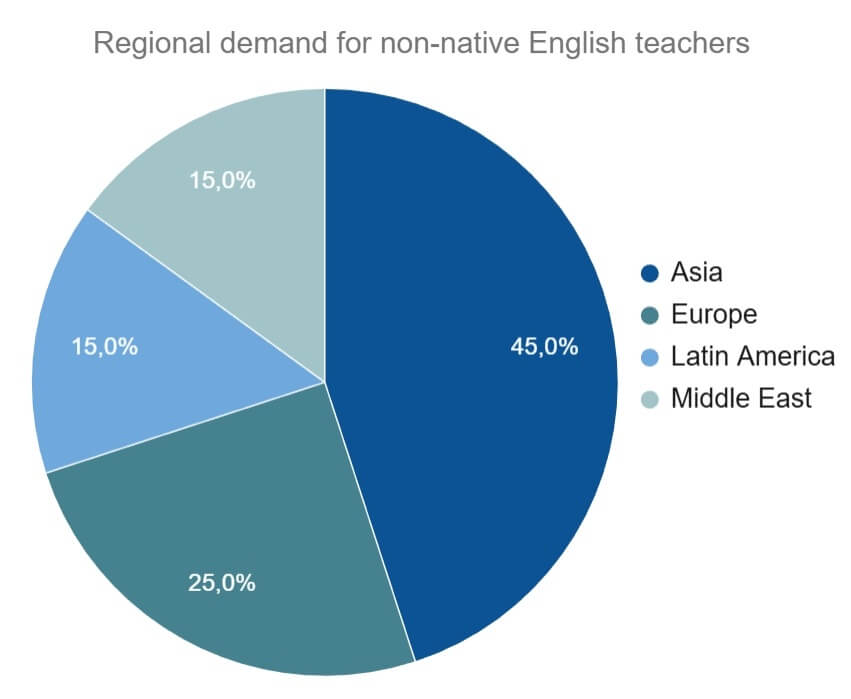
Markets in Europe, Latin America, parts of Asia, and the Middle East offer opportunities for non-native teachers, particularly when candidates bring strong qualifications and a readiness to adapt to local curricula.
What about salary and living conditions?
Salaries and living costs vary widely. Do thorough country research, including housing, healthcare, and visa requirements, before committing to a destination.
How can I improve my chances as a non-native teacher?
Build a robust professional portfolio, gain practical teaching experience, pursue verified practicum hours, attend teaching workshops, and engage with international teaching communities for ongoing guidance.