Pathways to English Teaching in Berlin: Certification, Training & Careers

What’s brilliant is Berlin is a hub for language learning and attracts future English teachers from around the world, offering both convenience and quality. Searching at it this way, but the approach English is taught in the city is practical; it is a credible certification, hard-nosed training, and a clear view of visa and career routes.
Many readers arrive with enthusiasm but feel overwhelmed by questions:
- Which certificate should I choose?
- Are online courses accepted by Berlin employers?
- What visa steps are required to work legally?
This article cuts through the noise, offering a practical, fact-checked guide to certification, accredited courses (including Ofqual-compliant options), permits and visas, internships, job strategies, and solid career support to help you secure your first teaching role in Berlin.
The Berlin Market Reality
Here’s the thing: Berlin, the English learning market rewards demonstrable learning, local adaptability, and documentation is in line with international standards. While there is no single “Berlin-specific” credential, employers in the city look for TEFL/TESOL certifications that include practical teaching hours and a reputable awarding body.
Key Insight: This is brilliantly executed: readers wishing to teach online or in the field in Berlin should consider certification with supervised practice, serious organisation, and proof of completion.
You can leverage the destination to place yourself as a reliable and well-prepared teacher, able to give lessons committed to a multicultural class. The practical side is that with the right training, you can translate your TEFL training into a route that extends from training to paid teaching, supported by career services aligned with the Berlin market, offering both structure and opportunity.
What You Will Discover:
- How to choose between online and in-person formats.
- What “Ofqual-compliant” means in practical terms.
- How visa routes apply to non-EU and EU citizens.
- Where internships and career services can accelerate your journey.
What makes this different is we provide you with a table of virtual resources that will serve to compare the paths at a glance, followed by a focused FAQ that answers the most frequently asked questions by future teachers who are studying a Berlin chapter.
Understanding TEFL Certification for Berlin English Teaching
TEFL certification is a standardised qualification that attests your ability to plan, deliver, and evaluate English courses for speakers of other languages, combining functionality with professional credibility. Plus, in Berlin, employers expect the certificate to be recognised and accompanied by a practical rather than purely theoretical component.
Core Components of a Strong Certificate:
- Teaching Practice: Completed amount of supervised hours.
- Lesson Observations: Watching experienced teachers in action.
- Final Assessment: Permitting you to enter employment more easily.
The most common formats include online courses with teaching practice, hybrid programmes, and in-person programmes that feature classroom teaching hours. While the exact requirements vary by employer, the principle remains consistent: credibility, competence, and the ability to reflect on your lessons.
The value of TEFL certification in Berlin depends on how it is perceived by schools, language centres, and universities. International schools and private language schools alike value certificates that come from recognised awarding bodies and that include a meaningful practicum.
Headway up: this entails you should focus on courses that associate theory with authentic teaching practice, ideally with opportunities to observe and teach within a classroom setting, allowing you to build confidence. In addition to the certificate itself, the accompanying support, mentoring, feedback on teaching videos, and assistance with job applications, adds tangible value when you begin applying for roles in Berlin. What you’ll acknowledge is the more you can demonstrate your classroom experience, the more competitive you will be when you apply to language schools, universities, and major providers, offering both convenience and quality.
How to Choose Your Path Effectively:
- Define your goals: Do you want to quickly enter a language school or a more structured route that opens doors to senior roles?
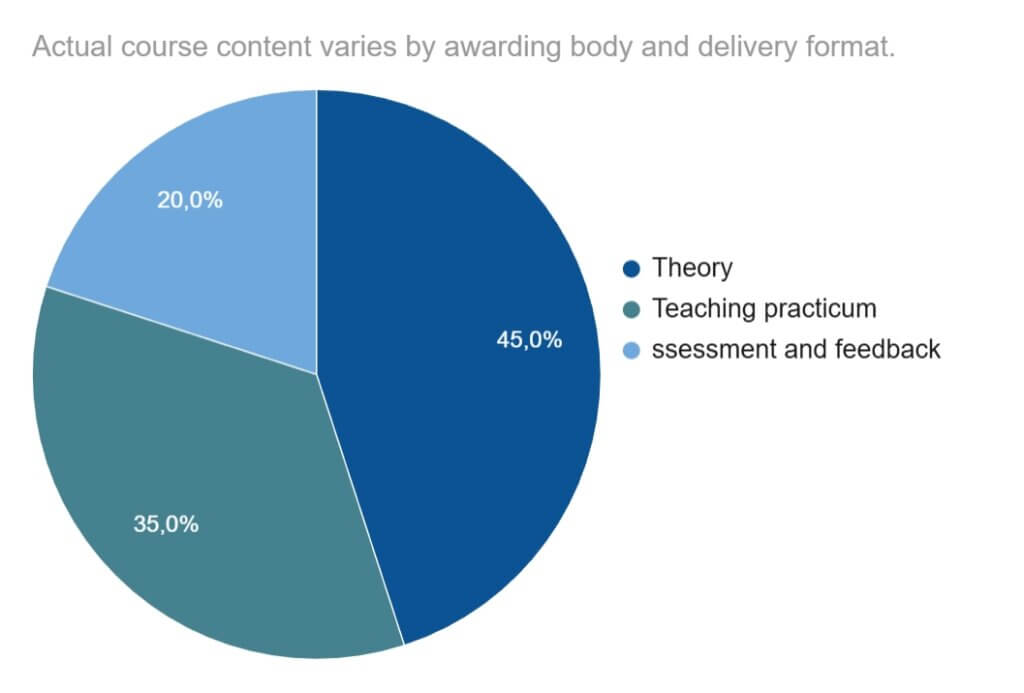
- Check the CV requirements: Look for courses that offer a minimum of 100–120 hours of theory, a substantial teaching practicum (usually 6–20 hours supervised), and a teaching practice assessment.
- Target your audience: Decide whether you will teach adults, teenagers, or young learners, as some programmes tailor practice to specific groups.
What makes this different is the right certificate can be a decisive step towards a rewarding teaching career in Berlin. This section is your foundation. You’ll find that the rest of the article will be based on the quality of choices, visa routes, and practical means for internships and jobs in Berlin. This is the perfect solution: by the end, you will be equipped with a clear framework, what documentation to prepare, how to choose a quality route, how to align your training with visa requirements, and how to use internships and career support to establish yourself as a teacher.
Accredited TEFL Courses and Ofqual-Compliant Options
Ofqual, the UK regulatory body for qualifications, plays a key role for courses that are designed to be Ofqual-compliant or awarded by an Ofqual-regulated awarding organisation. The bottom line is for candidates who value external validation and international portability, choosing a TEFL course with Ofqual recognition can offer additional credibility when applying to language schools in Berlin.
Ofqual-compliant options are not a guarantee of acceptance everywhere, but they do signal that the course has met specific quality-assurance criteria and is subject to regulatory oversight. When evaluating courses, verify the awarding body’s Ofqual status and request official documentation confirming recognition.
Understanding the Levels
In practice, you’ll encounter a range of course formats advertised as Ofqual-compliant or offering Ofqual-regulated qualifications. These options are often available online or in blended format and can be awarded at Level 5 or similar. It’s important to understand what the designation means in reality: Ofqual-regulated qualifications are those assessed and awarded by an organisation listed on the Ofqual register.
In Berlin, the practical value lies in the combination of a recognised certificate and a substantial teaching practicum that demonstrates your ability to plan, deliver, and evaluate English lessons in real classrooms. No sugar-coating it, many instructors who take an Ofqual-recognised course benefit from structured mentoring, practical assessment, and strong career guidance.
Selection Criteria:
- Course structure and delivery mode.
- Practicum quality (hands-on teaching with real learners).
- Structured feedback process.
- Post-course career assistance (building a professional portfolio).
Common features of Ofqual-compliant TEFL options
| Course type | Hours of theory | Practicum hours | Delivery mode | Recognition | Typical cost range | Career support |
| Online TEFL (Ofqual-compliant) | 100-120 | 6-20 | Online with virtual practicum or in-person add-on | Ofqual-regulated awarding body | £200-£800 | CV review, interview coaching, job guidance |
| Hybrid TEFL (Ofqual-compliant) | 120-150 | 10-20 | Mix of online theory and in-person practicum | Ofqual-regulated awarding body | £400-£1,200 | Mentoring, teaching portfolio support, job placements |
| In-person TEFL (Ofqual-compliant) | 120-180 | 12-30 | On-site in a recognised centre | Ofqual-regulated awarding body | £600-£1,800 | Local teaching practicum, networking events, CV clinics |
These features are designed to help you evaluate options critically. Hold on, when you’re assessing Ofqual-compliant courses, prioritise clear documentation: a formal awarding body name, a certificate code, and a published, audited rubric for the practicum.
Actually, this is remarkably useful: it is authoritative to check that the course offers feedback on your learning practice in a timely manner, guidance to find real learning places in Berlin, and a credible network of graduates in which you can obtain references. Remember that in Berlin’s job market, a strong practicum and a demonstrable teaching portfolio often matter as much as the certificate itself. With the right Ofqual-compliant course, you’ll have both the credential and the practical experience to stand out in a competitive environment.
If you’re unsure whether a course is Ofqual-compliant, start with the awarding body’s status on Ofqual’s official site and request official documentation from the course provider. Even earlier, you’ll find that you can consult the British government to understand the qualification rules, what the term means, and how it affects international recognition. In short, Ofqual compliance adds credibility, but always with useful practice and career support for your employability in Berlin, ensuring that it saves you time and effort.
Berlin Teaching Permits, Visas and Career Pathways
For non-EU citizens, Berlin’s teaching opportunities typically come with a work visa or residence permit tied to employment.
The Standard Process:
- Offer of Employment: Secure a job from a language school or educational institution.
- Application: Apply for a residence permit to work.
- Alternative: Some obtain a job and then apply for a work visa or EU Blue Card based on qualifications and wages.
EU and EEA citizens have the freedom to work in Germany with minimal administrative obstacles, but non-EU citizens should be prepared for a formal process that includes employer support and compliance with German immigration rules, opening doorways to making your life easier. This framework means your TEFL certificate is essential, but so is a clear understanding of the visa step-by-step requirements and timelines.
The EU Blue Card
The EU Blue Card is designed for highly qualified professionals who meet the wage and qualification thresholds. For non-EU TEFL teachers aiming for rapid integration into the German workforce, the Blue Card can streamline some aspects of residence and work permits, especially when paired with a job offer in a qualifying field.
While the exact salary thresholds can change, the principle remains: a verifiable job offer with adequate remuneration improves the chances of securing a Blue Card. Always check the current requirements with the government’s official guidance, as regulations can be updated over time. Something to consider is the recognition of your foreign qualifications, offering both convenience and quality. Germany has a formal process for assessing foreign diplomas and professional credentials, which can influence whether your TEFL certificate and any related experience are eligible for direct recognition or require additional steps.
Local Considerations
Beyond visa mechanics, hard-nosed prospects such as language expectations and local licensing practices can influence your career.
- German Language: Teaching English in Berlin does not normally require German language skills, but skills can aid in day-to-day life and communication. Some schools may consider German as a plus.
- Anerkennung Process: For those seeking to stay long term, the recognition of foreign qualifications through the German system (often facilitated by BAMF) helps ensure your credentials are aligned with German standards.
The key point is Berlin’s career ways after TEFL training often trace a series of steps: completing credible documentation with solid practice, ensuring an acquisition perspective, and progressing through experience, seniority, and professional development. Straight up, internships, and internships during. This is where it sustains excellence: this is devilishly useful.
Local language schools, universities, and communal centres often organise teacher training programmes or offer mentors as part of their employment programme. Planning your career, you may consider specialising in the grooming of exams (for Cambridge, IELTS, or TOEFL), business English for professionals, or immersive conversation classes for verbal learners. Searching to improve your situation? What’s interesting is the diversity of its learning bases creates a specialised portfolio that tones your long-terminus career prospects.
Practical Lessons, Internships, Jobs and Career Support
The most valuable part of TEFL training in Berlin often comes after you complete your course: hands-on teaching practice through internships, placements with schools, and robust career support from your programme. You’ll find that a well-structured practice admits you to manage real classrooms, programmes at different levels, and get feedback from experienced mentors. This is cleanly implemented: these experiences are reflected in tangible evidence, available to succeeding employers. Internships can also help you build a professional network in Berlin’s English education sector, which frequently opens doors to longer-term roles or contract-based work.
Strategies for Finding Paid Work:
- Diversify your search: Look beyond mainstream language schools to universities, municipal language centres, and private providers.
- Networking: Attend local TEFL meetups, participate in online forums, and connect with fellow graduates.
- Hybrid Opportunities: Teaching online or in hybrid formats enables you to gain experience while you adjust to the local system.
- Localization: Tailor your CV and cover letter to the German job market, emphasising classroom outcomes and teaching methodologies.
The Importance of Career Support
Career support from TEFL providers remains a key differentiator. Plus, many providers offer:
- CV optimisation and interview simulations.
- Post-course placements or access to partner schools.
- Familiarity with German employment norms (salary expectations, contract types).
A strong career-support package helps you transition from certificate to classroom faster, especially if you’re entering a competitive market. The right combination of practicum experience and proactive career support can shorten your time to first teaching assignment, increase your confidence in the classroom, and broaden your future opportunities in Berlin.
Final Thought:
Remember that practical preparation is ongoing. Even after you secure a role, you’ll continue to develop professionally through ongoing teacher training, observation of more experienced colleagues, and participation in professional development communities. Berlin’s teaching scene thrives on continual improvement, collaboration, and adaptability. You are gaining experience, you will be able to expand your directory, your classroom management, and niche areas such as exam preparation or business English. Here’s the entity: what makes this different is with adequate grooming, well-defined visas, practical experience, and strong career support, Berlin can become an English base, but a long-term professional home.
Authoritative Sources and Fact Checks (References)
- Make it in Germany (Official Government Portal): Working in Germany as a Teacher.
- Ofqual (The Register of Regulated Qualifications): Search the Ofqual Register.
- Federal Office for Migration and Refugees (BAMF): Recognition of Foreign Qualifications.
- Berlin.de (Official Citizen’s Portal): Applying for a Residence Permit for Employment.
Do I need a TEFL certificate to teach English in Berlin?
In most English-teaching roles in Berlin, a credible TEFL/TESOL certificate with a practicums component is strongly recommended. Some schools may hire with alternatives if you have substantial experience, but a recognised certificate improves employability and job prospects. Always verify the expectations of the specific employer.
What visa do I need to work as an English teacher in Germany?
Non-EU citizens typically need a work visa tied to a job offer, or an EU Blue Card if you meet salary and qualification thresholds. EU/EEA citizens have the right to work without a separate visa. Always consult official government guidance for the most current requirements.
Are Ofqual-compliant TEFL courses recognised in Germany?
Ofqual-compliant courses have a level of regulatory oversight and can be valued by employers for quality assurance. However, recognition can vary by school, and employers may prioritise practical teaching experience and demonstrable results. Check the course’s official documentation and, where possible, seek courses with extensive practicum and career support.
How long does a TEFL course take, and how is it delivered in Berlin?
TEFL courses vary in length from around 4-12 weeks for intensive in-person formats to several months for online or blended programmes. Delivery modes range from online to hybrid and fully in-person. Choose a format that fits your schedule and ensures adequate practicum hours.
What kinds of internships or practicum opportunities exist in Berlin?
Berlin hosts a broad spectrum of language schools, universities, private institutes, and community organisations offering teaching practica. Look for programmes that provide supervised teaching hours, constructive feedback, and a clear pathway to paid employment.
What should I look for in a TEFL provider’s career support?
Seek providers offering CV/resume reviews tailored to the German market, interview coaching, mock teaching sessions, and access to partner schools or job boards in Berlin. A strong network and ongoing professional development opportunities can accelerate your entry into the market.
Can I teach English in Berlin online and then transition to in-person teaching?
Yes. Many teachers begin with online or hybrid roles to gain experience, then transition to in-person lessons as you establish yourself. This approach can be particularly useful while you’re navigating visa processes and adapting to the local teaching environment.
How important is German language for teaching English in Berlin?
For many English teaching roles, German language proficiency is not mandatory, but basic German can be advantageous for daily life and smoother interaction with colleagues, parents, and local partners. If you intend to stay long-term, learning German can enhance your integration and career options.