Preparing for 2026: The Online English Teaching Landscape

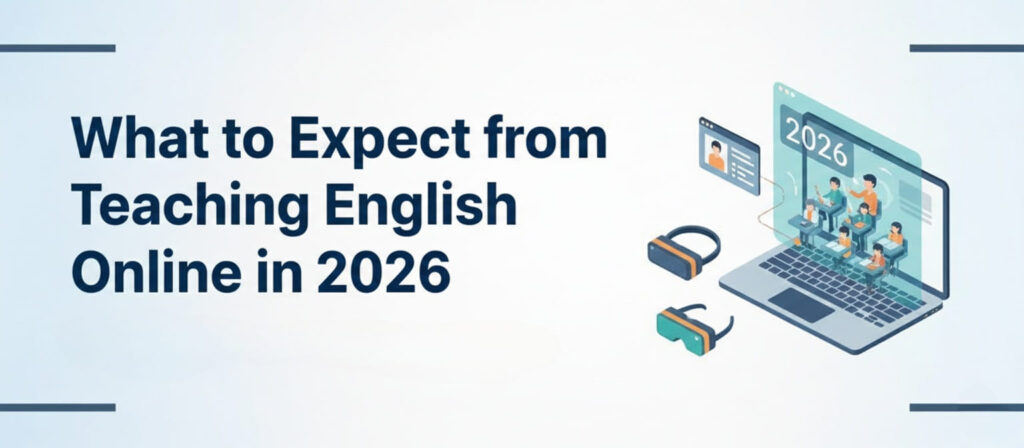
The key point is that the e-learning marketplace is continuing to develop and 2026 is shaping up to make emerging teachers more visible credible and connected while offering both flexibility and quality. What matters most is that demand from learners continues to grow beyond national borders with students seeking engaging high quality training that fits their lives and goals.
This is encouraging. For both newcomers and experienced educators the challenge is to navigate platform requirements training standards and decision making without compromising quality or employability. This article sets out a clear overview.
The questions teachers ask are practical:
- What qualifications do employers expect?
- How can I align with international standards while remaining flexible?
- Which training models will matter most in 2026 and how can I balance quality with ongoing professional development?
By using publicly available regulatory information such as the England regulated qualifications framework and credible educational sources including UNESCO’s work on digital learning you can design a training pathway strong preparation and a career that combines online work with opportunities to teach overseas if desired.
In the following sections you will find a structured overview of what to expect in 2026 including:
- Practical steps and clear certification pathways
- Analysis of platforms and payment models
- Career prospects and salary trends
Whether you are starting out or refining an existing teaching portfolio this resource is designed to guide you towards recognised standards trusted providers and a sustainable professional profile saving you time and effort.
What to Expect from Online English Teaching in 2026
What sets 2026 apart is that online English teaching is shaped by stronger professional standards a wider emphasis on regulated frameworks and technologies that support more personalised learning. Learners increasingly expect engaging culturally responsive courses timely feedback and clear indicators of progress that extend beyond a single platform. For teachers this means that assessment literacy digital pedagogy and real classroom experience are becoming more highly valued shifting how time and effort are invested. The regulatory landscape also continues to mature.
Another clear trend is the growth of micro credentials and modular training. Employers are looking for evidence of specific skills. In this context combining a strong ESL or EFL certificate with targeted modules aligned to recognised frameworks such as those regulated in England can significantly improve employability. UNESCO’s work on digital education confirms a global shift towards online learning with a strong focus on quality equity and ethical teaching practice. This supports clearer career pathways and higher expectations for reflective professional teaching.
Looking ahead 2026 reflects a larger and more diverse workforce. More providers employ multilingual teachers with varied regional qualifications and more roles reward teaching effectiveness and learner outcomes rather than location alone. The market increasingly values preparedness and credibility while preserving the flexibility teachers value. For those considering long term online teaching the coming year offers strong opportunities to specialise in areas such as exam preparation, business English, young learners or bilingual education while keeping options open for work abroad.
Certification Paths Training Standards and Ofqual Alignment
Online teaching qualifications are increasingly aligned with recognised standards that bridge UK regulation and international expectations. Ofqual places emphasis on reliability consistency and public confidence in the qualifications market. For ESL and EFL professionals this means employers are more likely to expect clear alignment with formal frameworks such as the Regulated Qualifications Framework which provides a transparent pathway from entry level to advanced teaching skills that employers trust across regions.
Key Elements of Strong Programs in 2026:
- Observed teaching practice with a clear assessment model.
- Modular pathways combining core certificates with optional micro credentials.
- Supervised practice by a qualified tutor.
- Portability across domestic and international markets.
Alignment with recognised frameworks benefits learners and employers alike. Learners gain clearer expectations about course content and assessment criteria while employers reduce risk and gain confidence in teacher performance. If you plan to work with a British or international employer qualifications that are clearly aligned or easily transferable demonstrate readiness to teach across contexts.
Platform Payment Models and Flexible Scheduling for 2026
The range of platforms for online English teaching in 2026 remains broad with several common models offering different balances of income control and flexibility. The most common structures include hourly pay per class fees and subscription based systems where teachers deliver multiple sessions. Each model affects lesson planning scheduling and income stability.
Course based pricing can offer learners clearer value and may allow higher rates for specialist or premium courses though it often requires more involvement in course design and marketing. Subscription based models can provide more predictable income but may require broader availability to ensure continuity for learners.
From a learner perspective demand continues to be driven by global access and flexible scheduling. Platforms increasingly integrate automated tools that reduce administrative workload and allow teachers to focus on lesson design. Higher quality platforms invest in secure payment systems transparent pricing and professional development resources including training on assessment engagement and inclusive practice.
Platform model comparison for online English teaching
| Model | Payment Type | Typical Fee Structure | Scheduling Flexibility | Pros | Cons |
| Hourly pay | Per hour taught | Stable hourly rate; may include platform fee | High flexibility; teach when slots are available | Strong control over schedule; good for experimentation | Income can fluctuate with enrolments; busier hours may require more effort |
| Per-class pricing | Per class | Flat price per lesson; sometimes includes materials | Moderate; blocks of time, recurring classes | Predictable price per lesson; easy for learners to budget | Less flexible for spontaneous tutoring; may require marketing |
| Subscription / All-you-can-teach | Monthly or annual | Access to a pool of lessons for a fixed fee | High; students book multiple sessions | Steady income; higher learner retention | Requires higher volume of students; pricing pressure on value perception |
Clear ethical pricing and transparent conditions are becoming more important. Learners expect to know what is included in a class how cancellations are handled and how progress is supported. For teachers this means tracking hours accurately recording learner progress and ensuring payment reflects all aspects of work including preparation and feedback.
Technology Pedagogy and Data Analytics in 2026
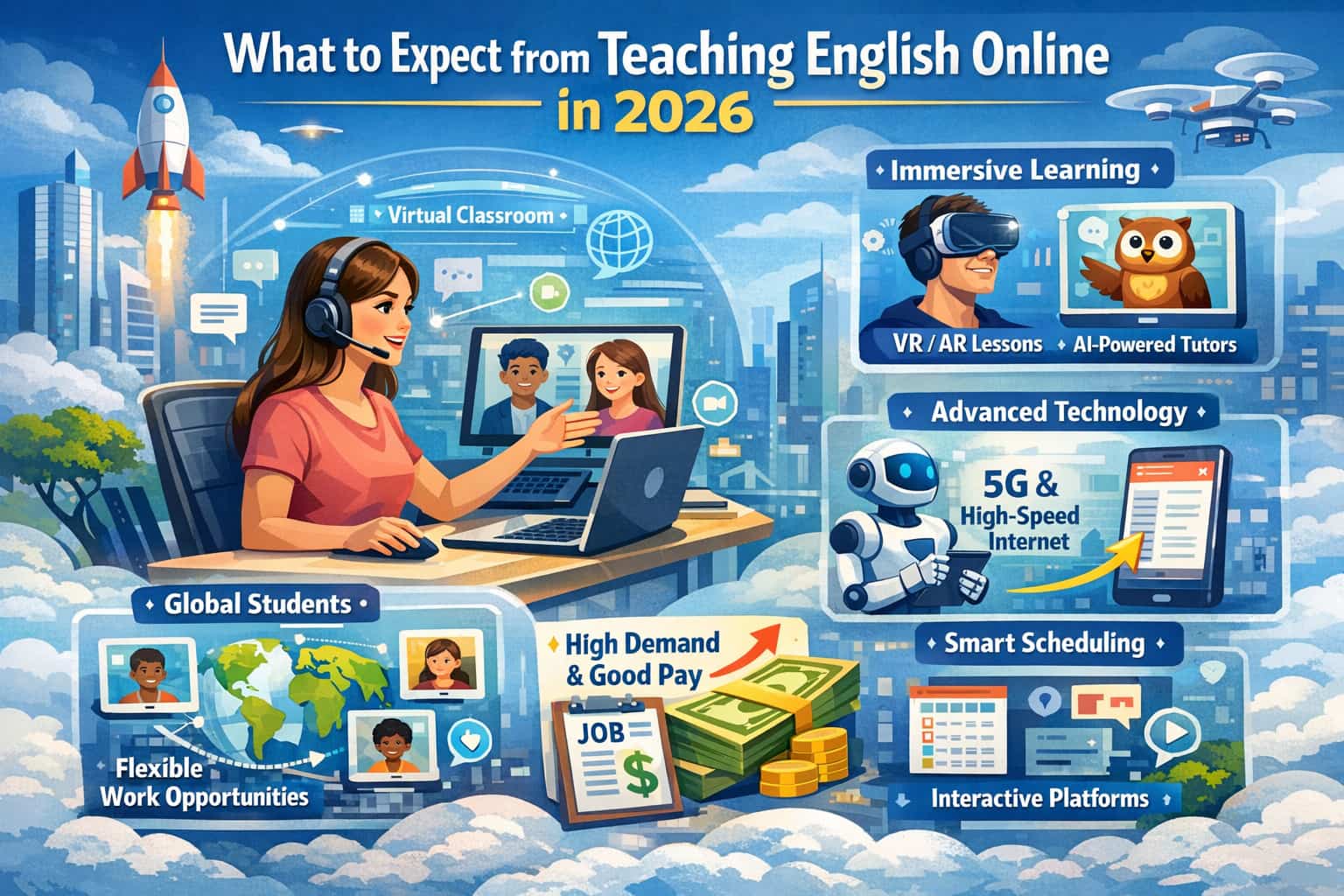
Technology and pedagogy are more closely integrated than ever. There is a strong emphasis on personalised learning accessible materials and meaningful feedback. Artificial intelligence tools can support lesson planning pronunciation analysis and material creation but responsibility for feedback language correction and cultural sensitivity remains with the teacher.
Platforms are investing in analytics dashboards that track learner progress over time and help teachers adapt instruction. This data informed approach can save time while improving learning outcomes. Accessibility remains central with quality courses offering captions transcripts and alternative formats to support learners with diverse needs.
Teachers who develop strong digital skills while respecting learner privacy and data protection are best positioned in 2026. Ongoing professional development collaboration and participation in professional communities help teachers share effective strategies and remain current.
The teacher’s role as a guide for independent learning is also expanding. Learners increasingly expect structured self study pathways pronunciation support and digital literacy alongside live lessons. Teachers who can design purposeful activities and deliver timely actionable feedback are well placed to support long term language development.
Career Opportunities Salary Trends and Teaching Abroad
Career opportunities for online English teachers in 2026 extend beyond live classes alone. Many roles now include asynchronous course design, content creation, learner support and moderation. Teaching online also allows work across multiple regions which helps diversify income and reduce reliance on a single market.
Salary trends vary by region experience and course type. Higher rates are often linked to stronger qualifications specialist subjects such as business English and the ability to manage larger groups or deliver detailed feedback. Income may combine base pay performance bonuses course fees and additional earnings from course design or consultancy.
Demand for English language education remains strong worldwide. UNESCO highlights the continued role of English in higher education and professional mobility supporting sustained demand for qualified online teachers. For those interested in teaching abroad online work can complement overseas experience and strengthen long term employability.
Quality Assurance Accreditation and Continuing Professional Development
Online English teaching is increasingly anchored in clear accreditation quality assurance and measurable learning outcomes. Recognised qualifications help employers identify teachers with verified professional competence while giving teachers clearer expectations and structured development pathways.
Continuing professional development (CPD) is a core element of a sustainable career. Effective CPD focuses on practical impact such as improved learning outcomes stronger feedback and higher engagement rather than attendance alone. Employers increasingly expect evidence of CPD during reviews or contract renewal so maintaining a personal development record is essential.
A consistent commitment to professional development aligned with recognised standards helps ensure long term visibility credibility and competitiveness in a changing global market.
Authoritative Sources
- GOV.UK / Ofqual (The Register of Regulated Qualifications): Primary source for verifying the validity and level of teaching qualifications within the UK Regulated Qualifications Framework (RQF).
- British Council – English Programs: Insights into global English teaching standards and framework alignment across international borders.
- Westbridge CPD Institute: CPD Accreditation: CPD accreditation for organisations and professionals. Recognising quality learning, training and development across all industries.
- Common European Framework of Reference for Languages (CEFR): The international standard for describing language ability, crucial for 2026 assessment literacy.
Do I need a formal teaching degree to teach English online in 2026?
A formal degree is not always required, but a credible TEFL/TESOL certificate with practicum and demonstrable teaching ability is highly advantageous. Some platforms may require degrees for certain positions (e.g., certain corporate or examination-preparation roles), while others focus on certification and demonstrated teaching outcomes.
How does Ofqual alignment help my career?
Ofqual-aligned certifications signal to employers that your training adheres to recognised standards and includes supervised practice. This alignment can facilitate mobility between UK and international roles and improve recognition by employers who value regulated frameworks.
Which platform model should I choose?
A blended approach often works best: use hourly or per-class structures for flexibility and a subscription model to stabilise income and nurture learner retention. Prioritise platforms with transparent terms, robust support, and reliable payments.
What is the best way to prepare for a global online teaching career?
Build a diverse portfolio: obtain a well-regarded TEFL/TESOL certificate, complete practicum observations, gain experience across different learner groups (young learners, adults, business English), and develop skills in feedback delivery, lesson design, and data-informed teaching. Seek CPD opportunities that map to recognised frameworks and keep a record of learner outcomes.
Is teaching abroad compatible with online teaching?
Yes. Many educators combine time abroad with online teaching, using in-country experiences to enrich their delivery and cultural insights while maintaining online roles that provide steady income. Look for opportunities that support visa requirements, local teaching regulations, and cross-cultural training.