Teaching English in Greece: Certification, Training, and Career Paths


What’s really neat is that Greece remains an appealing destination for aspiring English teachers whether you plan to work in person in a city, teach at private language schools across the islands or combine classroom work with online teaching, providing a strong balance of form and function.
The market is shaped by:
- Private language schools
- International schools TEFL/TESOL qualifications. For newcomers, the mix of certificates, training options, work requirements and career pathways can feel complex but with the right guidance it becomes far easier to navigate. One thing to remember is that this guide draws on governance, pedagogy and recognised higher-education sources to help you make informed choices and plan a credible entry into the Greek TEFL market, offering both convenience and quality.
Simply put, the right certification is more than a stamp of authenticity – it is your route to credible job prospects, stronger classroom practice and a smoother transition through work and residency processes. In Greece as in many European contexts employers prioritise certified teaching skills, demonstrated classroom practice and a professional approach to language learning.
Strategic Planning: Teachers planning to work abroad or online should think strategically about whether to pursue a shorter 120-hour certificate for online or private language-school roles or a longer practicum-backed programme such as CELTA or an Ofqual-aligned Level 5 Diploma in TESOL for broader European recognition.
The goal is practical: the sections below walk you through pathways, training routes and roles in Greece plus the standards that can strengthen your professional credibility.
Certifying to Teach English in Greece: Pathways
The Greek TEFL market includes a range of qualifications from lighter online routes to more robust practicum-based programmes. For many teachers a reputable TEFL/TESOL certificate provides the foundation for classroom confidence and employability in private language schools and online environments. Greece does not require one single universal qualification for private-sector teaching but employers often look for evidence of teaching ability, a sound grasp of language-teaching methodology and strong English proficiency.
In this sense, official guidance consistently points towards credible qualifications aligned with international standards which can meet both local expectations and wider European recognition.
Choosing Your Pathway
What matters is that the pathway you choose should reflect your career goals:
- Private Language Schools focus: If you plan to focus on private language schools, an entry-level TEFL certificate with a practicum can open doors quickly and usually requires lower upfront cost and time.
- Broader Opportunities: If you want broader opportunities (international schools, some public-sector or programme-linked roles, online teaching with a strong portfolio or later teacher-training roles) consider more extensive qualifications such as CELTA or an Ofqual-aligned Level 5 Diploma in TESOL.
It is wise to confirm with prospective employers how they view different qualifications and whether they prioritise practicum, CPD routes or recognition by national bodies.
Practical steps to start well
- Explore reputable providers and choose a course with a substantial practicum component.
- Arrange real teaching practice hours (observed teaching with feedback).
- Plan early for any work or residence requirements linked to your nationality.
- Use official EU and Greek government resources to verify current requirements before committing to a course.
TEFL Certification in Greece: Training and Roles
Training routes in Greece and abroad vary in duration cost and format but share the same aim: to prepare you for real classrooms and effective language teaching. Local Greek language schools private institutes and some university-linked settings may offer teacher development support. Many teachers also choose online courses with optional in-person practicum options.
Teaching roles commonly fall into a spectrum:
- Private language schools (adults and young learners)
- Online teaching platforms (Greek learners and international learners)
- Private tutoring
- Occasional university-level or continuing education programmes
A TEFL/TESOL programme typically includes theory on grammar lesson planning and assessment plus guided teaching practice with feedback from experienced tutors.
Credential levels and what they unlock
- Entry-level certificates (about 120-150 hours): often support work in private language schools and online teaching.
- Advanced qualifications: (higher hour totals and stronger practicum) tend to prepare you for more demanding contexts including some higher-paying schools and programme-linked roles.
Practicum is essential because it gives real classroom experience and structured feedback. For teachers aiming to progress an Ofqual-aligned Level 5 qualification can also signal credibility beyond Greece including in the UK and other EU contexts.
After certification: quick actions that help
- Build a professional portfolio with sample lesson plans and teaching demonstrations.
- Request a reference letter from your practicum supervisor.
- Ensure your CV highlights practicum experience and classroom management skills.
- Join professional networks to learn about vacancies in Greece and online.
- If you plan to work with online platforms or private schools confirm early any country-specific work or permit requirements for non-EU nationals.
Table: Certificate types at a glance (for quick comparison)
| Certificate Type | Focus | Typical Duration | Key Outcomes | Practical Teaching Component |
| 120–150 hour TEFL/TESOL (online) | Basic teaching theory | 4–12 weeks | Entry‑level private language school roles, online teaching | Limited or optional practicum |
| 180–250 hour TEFL with practicum | Core pedagogy + practice | 2–6 months | Private schools, entry‑level online roles, more versatility | Observed teaching with feedback |
| CELTA (Cambridge) or equivalent | Intensive, hands‑on training | 4 weeks full‑time | Broad employability, widely recognised | Extensive practice with real learners |
| Ofqual‑aligned Level 5 Diploma in TESOL | Advanced teaching theory + assessment | Several months to a year | Higher‑level roles, international opportunities | Rigorous teaching practice and portfolio |
Notes: Availability and exact content vary by provider and country. Always verify practicum hours assessor qualifications and recognition by employers in Greece.
Working Opportunities in Greece for TEFL Teachers
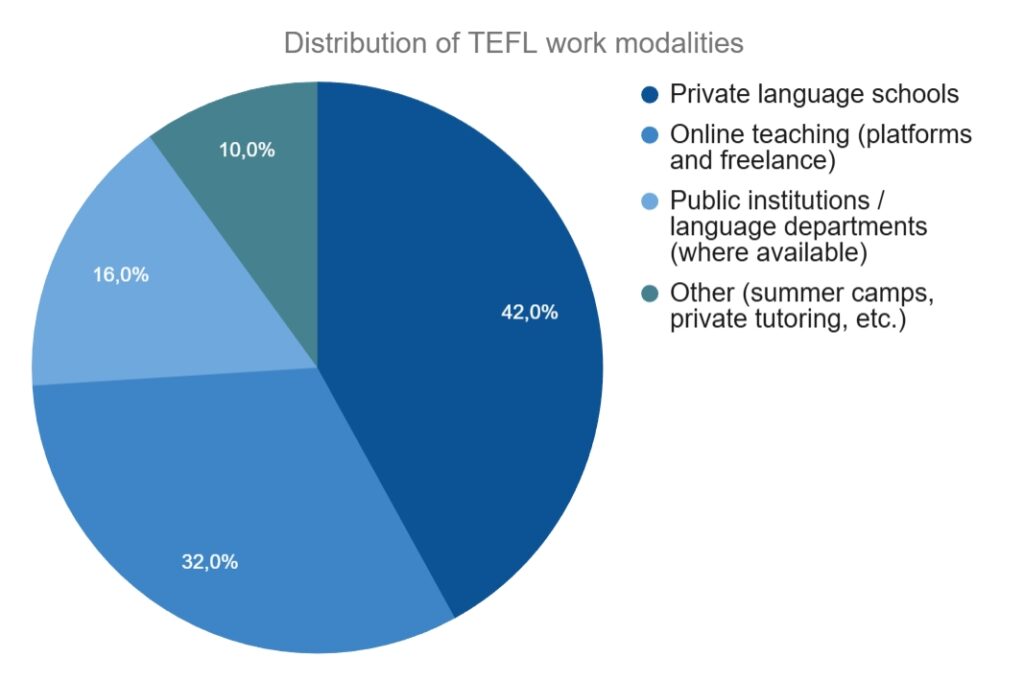
Greece offers a mix of teaching environments for TEFL teachers especially in cities such as Athens and Thessaloniki and in popular destinations such as Crete and Rhodes. Private language schools remain the primary employers for many English-language teachers. Requirements vary by employer but many schools look for a TEFL/TESOL certificate and often a bachelor’s degree.
There is also growing interest in online teaching that connects Greek learners with teachers outside Greece. This can suit teachers who want to combine in-person work with online hours and build a more flexible schedule.
Regional and seasonal patterns
Demand is strongest in major cities and tourist hubs where English supports hospitality tourism and international business. Island roles can sometimes be seasonal especially during peak tourist periods. Some positions may include accommodation or local support depending on the employer.
For longer-term stability networking matters: attend local teacher meet-ups join reputable recruitment channels and connect with professional communities to find roles beyond seasonal peaks.
How to prepare for opportunities
- Build a portfolio with sample units for different age groups and levels.
- Include short micro-lesson videos if possible.
- Collect supervisor feedback from practicum and formal references where available.
- Prepare a clean well-structured CV highlighting qualifications practicum and teaching skills.
- Learn a few basic Greek phrases for classroom routines and professional rapport.
- When negotiating clarify working hours pay rate preparation expectations and contract terms.
Ofqual-Aligned TEFL Standards for Greece Careers
Ofqual is the UK qualifications regulator and some TEFL providers offer programmes aligned with regulated standards (such as a Level 5 Diploma in TESOL or equivalent). In Greece an Ofqual-aligned qualification can signal rigour assessment and quality assurance. It may also help if you later apply for roles beyond Greece or want stronger portability of credentials.
The key is to verify the exact level scope and assessment structure of the programme and to confirm how employers in Greece view UK-regulated qualifications.
Choosing an Ofqual-aligned programme
- Ask for clear confirmation of Ofqual alignment and the award level (e.g. Level 5).
- Confirm the course includes a practicum and assessed teaching practice.
- Check the awarding body and verification process (transparent employer checks).
- Request a formal transcript and supporting documentation for job applications.
Quality Assurance Accreditation and Recognition of TEFL in Greece
Accreditation and quality assurance matter. Employers often prefer providers with clear accreditation credible practicum hours and qualified assessors. This can be especially important for non-EU nationals who may need a strong documentation trail for work or residence processes.
Before enrolling:
- Confirm the awarding body is legitimate and certificates are verifiable.
- Review graduate outcomes and credible course reviews.
- Request a sample syllabus.
- Clarify practicum arrangements and mentor support.
- Ask for formal documentation on completion.
Preparing for the Greek Classroom: Cultural Fit and Language Tips
Cultural expectations and classroom dynamics vary by context. Greek learners often respond well to clear structure practical speaking tasks and opportunities to use English in real-life scenarios. Depending on age group and setting you may see a mix of formal classroom norms and more relaxed learner interaction.
You do not need to be fluent in Greek but knowing a few classroom phrases can help with logistics and rapport with learners colleagues and sometimes parents. Simple greetings instructions and management phrases can reduce confusion and create a friendlier learning environment.
Practical next steps for Greece-bound teachers
- Decide your preferred teaching mode (in-person online or hybrid) and target locations (Athens Thessaloniki Crete islands).
- Build a portfolio including lesson samples practicum evidence and feedback.
- Connect with local English-teaching communities and recruitment channels.
- Monitor regulatory updates from Greek authorities and EU guidance to stay compliant.
Authoritative Sources and Fact Checks (References)
- Ministry of Education, Religious Affairs and Sports (Greece): Official regulatory body for education in Greece.
- Cambridge English (CELTA): Information on the globally recognized CELTA qualification.
- Ofqual (The Office of Qualifications and Examinations Regulation): UK government department that regulates qualifications.
- British Council Greece: Resource for English language teaching and cultural relations in Greece.
Do I need a degree to teach English in Greece?
In private language schools, a bachelor’s degree plus a TEFL/TESOL certificate is commonly preferred. Some schools will hire with a strong TEFL certificate and teaching practicum even if you do not hold a degree, especially for online roles or less formal settings. Requirements vary by employer, so verify expectations before applying.
Is TEFL certification required in Greece?
There is no single statutory requirement for private language schools, but most reputable employers expect a TEFL/TESOL certificate with a practical teaching component. For online teaching or international postings, a recognised certificate - particularly one with practicum - improves employability.
Can EU and non‑EU citizens teach in Greece?
EU/EEA/Swiss citizens have the right to reside and work in Greece under freedom of movement rules. Non‑EU nationals typically require a job offer to obtain a work permit and residence permit; these processes are handled with the employer’s support and official immigration guidance.
How long does it take to get certified?
Certificate durations vary from a few weeks for short online courses to several months for practicum‑heavy programs or Level 5 diplomas. Your timeline depends on the course length, delivery mode (online vs in‑person), and practicum requirements.
What are typical salaries for TEFL teachers in Greece?
Private language schools in Greece offer a range of salaries depending on location, hours, and experience. Online teaching can supplement income. Because salaries are influenced by city, season, and contract terms, it’s important to verify a job offer’s pay rate, hours, and any benefits (e.g., accommodation or flight allowances) during the negotiation stage.
How can I move from private language schools to the Greek public sector or universities?
Transitioning to more formal education roles usually requires stronger qualifications, including recognised teaching credentials, a relevant bachelor’s degree, and, in some cases, master’s level study or national teaching licenses depending on the setting. Networking, building a robust teaching portfolio, and targeted applications to institutions that partner with private providers can help you move toward more formal positions.
Are Ofqual‑aligned qualifications recognised in Greece?
Ofqual‑aligned TEFL qualifications are widely recognised in the UK and internationally; in Greece, they can strengthen your CV and enhance portability to online platforms or schools with international affiliations. However, always verify with prospective Greek employers whether they specifically require the Greek teaching license or local qualifications for certain roles.
How should I verify the credibility of a TEFL course?
Check accreditation details, practicum hours, and the qualifications of assessors. Request a sample module outline and a transcript upon completion. Where possible, speak to former students to learn about job outcomes. Where a course is Ofqual‑aligned, obtain official documentation that confirms the alignment and the level.