Teaching English in Panama: TEFL Certification, Careers, and Training


Panama lies at the intersection of culture, commerce, and tourism in Central America. Business, education, travel, and numerous other fields are increasingly interested in English, which translates to steady demand for qualified English teachers. For future teachers, knowing the certificates employers recognise, standards of certification, and how to navigate the local job market is important. This guide provides a well-researched overview of TEFL certification pathways, requirements specific to Panama, and practical tips for beginning or expanding a teaching career in Panama.
Many readers are balancing these two tensions: how to obtain credible training that meets international standards and how to apply it in a country with a diverse set of employer expectations. Fortunately, with a firm TEFL/TESOL base, especially combined with real teaching experience and a recognised certificate, opportunities in private language schools, international institutions, universities, and online platforms are possible. This article also explains certification requirements, career options, and accredited classes to create a practical guide for teaching English in Panama with great confidence.
Lastly, this resource focuses on verifiable information from credible, non-commercial sources. It reflects international best practices in TEFL training and broader recommendations for English-language education in Latin America. Although local employer preferences differ, your certificate, teaching practicum, and knowledge of visa and work-permit regulations fit very well with the burgeoning English-teaching industry in Panama. For more information on UNESCO, EducationUSA, and the migration authorities in Panama, please check out the Sources section.
Overview of TEFL Certification for Teaching in Panama
A TEFL (Teaching English as a Foreign Language) certificate is a formal curriculum designed to show you the theoretical and practical basis of teaching English to an audience of non-native speakers. In Panama, a TEFL certificate is very often considered evidence, for employers, of training in language teaching methods, classroom management, assessment, and lesson planning. Certification has professional and commitment implications, and this is vital when English is a competitive language skill set for students and employers. It also gives you a common set of skills one can practise in diverse places, such as language schools and universities.
Key Differences in Qualifications:
- TEFL: Usually a term for the type of training delivered online and at the same time face-to-face, usually having to do a practicum.
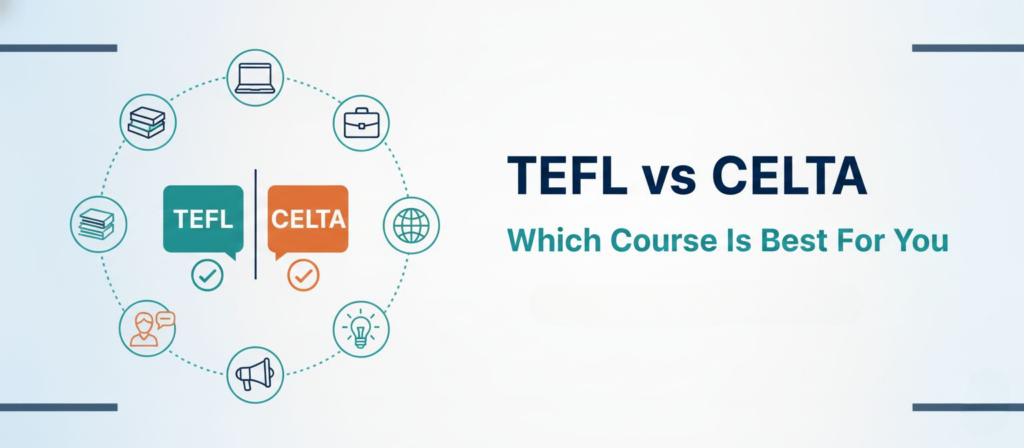
- TESOL: Also referred to as an equivalent to TEFL but some providers distinguish between the two, some providers do use them interchangeably.
- CELTA: (Certificate in English Language Teaching to Adults) Very popular at present, however probably the more common one and might be wanted in some international schools or career tracks.
The 120-hour TEFL framework with a teaching component with practical exposure also appeals to most employers in Panama, while the higher-demand roles in Panama generally prefer CELTA or a combination of the two and other highly ranked, higher-paying, practical qualifications or hands-on skills. The overarching intention is to offer evidence-based pedagogical ability and a good working knowledge of the language, and not just a degree or certificate.
For those who are new to TEFL, online courses with practicum experience can act as practical substitutes when there is little or no access to in-person classes. But you should select a course with a supervised practicum, feedback from experienced tutors, and the course itself is visible. Employers want tangible teaching practice, lessons you’ve observed, lessons you’ve done and a portfolio that you can hand over during interviews. In addition, lots of Panama schools focus heavily on background checks and excellent professional references, and so make sure you get those as qualifications with your certificate. Best practice and course quality standards can be verified by citing international guidance, from UNESCO and other educational bodies, on TEFL training standards.
Required Certification Standards for Panama TEFL Careers
TEFL employment is diverse in Panama, and the demands for certification differ by sector. Private language schools and expat-run centres value a recognised TEFL certificate and experience in practical teaching. Higher qualification levels, specific to some schools and universities, for example a CELTA or a degree with a teaching credential, and a history of classroom-level teaching may be needed. Across sectors, employers expect not just a good certificate but also a very strong teaching practicum, good classroom management, and a broad awareness of how to adapt a lesson to meet varying student needs. Such standards align internationally with English-language teaching and the broader emphasis on professional teacher preparation.
Certification standards in Panama typically comprise:
- A recognised TEFL/TESOL certificate, typically 120 hours, with the completion of a substantial practicum (observed teaching and a portfolio).
- Other credentials such as CELTA, DELTA, or other regulated qualifications can further improve employability for top-tier positions or international schools.
- Experience in hands-on teaching, such as instruction in micro-teaching sessions, unit plans, and assessment tasks.
- A bachelor’s degree, although some private language schools can hire non-degree graduates with strong TEFL qualifications and relevant experience, this varies by institution and location.
- Police clearances (especially for work involving minors or long-term employment) in accordance with school policy and local laws.
- Employer-level English proficiency, sometimes including short language assessments to determine fluency.
Seek accredited and reputable awarding bodies and providers. In the international TEFL community, Ofqual-regulated courses and providers with a clear practicum component tend to be preferred by employers looking for consistent practice with quality assurance. Panama does not have a single nationwide TEFL licensing body, but employers tend to trust courses that align with global standards and include verifiable teaching practice. When you select a programme, check that it incorporates observed teaching practice, a detailed syllabus, and feedback from experienced tutors. This way, you can build a credible profile for Panama’s diverse teaching opportunities.
Career Paths and Job Market in Panama for Tutors
The English teaching landscape in Panama includes private language schools, international schools, universities, government programmes, and a growing number of online teaching sites. In Panamanian cities such as Panama City and other urban centres, where an expatriate community and local professionals are seeking flexibility and job prospects, the private language school sector remains strong. International schools may not be as numerous but offer better pay, position options, and a way into formal educational settings, while universities and colleges provide jobs in departments of English and teacher-training programmes.
Online teaching is new territory that can be filled with new sources of revenue, like those accessible to native English speakers who are looking to balance their on-site teaching experience with remote teaching, particularly during off-peak periods. Numerous factors affect the job market dynamic in Panama. Tourism, regional trade, and a booming professional services sector mean the language of business and travel has high demand for professionals. Proficiency in English has been increasingly featured in Panamanian curricula and professional settings, a demand that caters to people of all ages. Opportunities for international schools and private language centres have increased as Panama consolidates its service economy. For potential teachers, the path typically starts at the private-language-school or language-centre level, with a move to larger institutions as one grows professionally and experience-wise. The online teaching channel offers a more flexible, income-generating way to earn when living in Panama or preparing for more traditional on-site roles.
Roles and Corresponding Qualifications:
- Private language schools: You’ll find teaching roles for adults and young learners, often with flexible hours and opportunities for advancement into curriculum development or team leadership.
- International schools: Present more formal teaching posts, including high school English, AP or IB courses, and teacher mentor roles, with salary scales and benefit packages that reflect the regional cost of living.
- Universities: May hire for English-language programmes, teacher-training courses, and research or language-centred departments, sometimes requiring higher academic credentials.
- Online teaching roles: Can range from conversational English to exam preparation and are attractive for their schedule flexibility, though wage levels can vary significantly by platform and student demand.
A successful job search will typically balance local classroom experience with a certificate that aligns with your target sector.
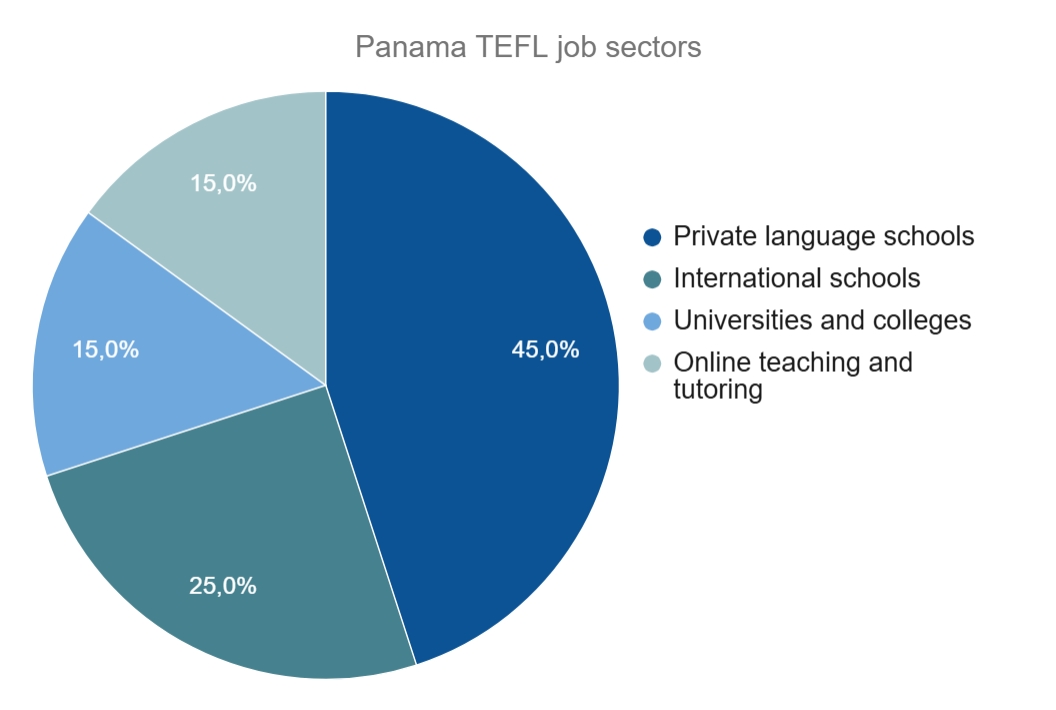
Note: This distribution is illustrative and reflects common patterns seen in regional markets; actual proportions vary by city, school size, and visa status. For a clearer view of actual openings in Panama, review current job boards and school postings in Panama City and major urban centres. Research from UNESCO and international education partners emphasises the importance of certified teachers and ongoing professional development in improving English-language education outcomes in Latin America, including Panama.
Joining Accredited TEFL Courses to Teach in Panama
Choosing an accredited TEFL curriculum is a primary step in entering the teaching market in Panama. Accreditation says that a programme meets set quality standards, includes vital elements such as the teaching practicum, and provides a credential that can be trusted. In Panama, as well as many markets, employers value certified education providers with internationally recognised and credible frameworks, with processes to promote transparent assessment.
When reviewing courses, consider:
- Whether there is a significant practicum component with observed teaching.
- A detailed syllabus with lesson planning, classroom management, feedback and assessment.
- A clear description regarding accreditation status and the awarding body’s qualifications.
- Some way to receive professional development as well as advice on career development.
To maximise your chances in Panama, think about classes with hours of practical teaching, interaction with experienced tutors, and a portfolio of content you can present at interviews. Although these are online courses and they provide you access and the information you want, take care not to forget that your selected scheme should involve a form of real teaching practicum where you will meet an experienced partner institution or complete practicum in your local area. Check that post-certification support is available, including job placement counselling, CV support and visa application checklists, and validate these carefully.
From a credibility perspective, Ofqual-regulated diplomas and other recognised awarding bodies can increase employability, especially if your employer is looking for appointments in international schools and institutions which are internationally recognised. Make sure that any diploma you receive is in accordance with international norms and is backed by verifiable evidence. By integrating accredited TEFL training with an effective job-search framework, you increase your chances of finding a beneficial role in Panama.
Steps to get started:
- Determine the sector you wish to work in (private language schools, international schools, universities, or online platforms).
- Select a course that offers thorough practicum, portfolio-development opportunities, and real-world teaching exposure aligned with your target position.
- Prepare a professional interview package with your lesson plans, a teaching video, and references from practicum supervisors.
Based on internationally accepted standards and proper preparation, this approach helps you transition smoothly from certificate to classroom in Panama.
Authoritative Sources and Fact Checks (References)
- UNESCO – Teacher Development: Global standards for teacher training and pedagogical quality.
- Panama Immigration Authorities (Servicio Nacional de Migración): Official regulations regarding work permits and visas for foreign educators.
- British Council – Teaching English: Resource for international TEFL/CELTA standards and methodology.
- Ofqual (The Office of Qualifications and Examinations Regulation): Verification for regulated qualification frameworks.
Do I need a degree to teach English in Panama?
While some private language schools hire applicants without a degree if they have a solid TEFL certificate and relevant teaching experience, many international schools and universities prefer or require a bachelor’s degree and a teaching credential. It’s best to review job postings for your target sector and plan a pathway that strengthens your profile with a degree where possible.
Is TEFL certification mandatory in Panama?
There is no nationwide legal requirement obligating TEFL certification to teach English in Panama. However, a reputable TEFL certificate is commonly required by private schools and language centres, and higher-tier roles often seek CELTA or similar credentials.
How much can I earn teaching English in Panama?
Earnings vary by sector and location. Private language schools typically offer modest monthly wages, while international schools and universities provide higher pay and benefits. Online-teaching can supplement income and offer flexible schedules. Always verify salary expectations with employers and consider cost of living in different Panamanian cities.
How long is a TEFL course?
A common baseline is a 120-hour TEFL certificate, often with an accompanying practicum of 6–20 hours of observed teaching. Some courses extend to 150–180 hours or more, especially if they include extensive teaching practice or advanced methodologies.
How do I apply for a work visa in Panama?
In practice, most foreign teachers obtain a work permit through a job offer, with the employer handling work-permit processes in coordination with Panama’s migration authorities. Check the Servicio Nacional de Migración for current rules and required documents, and ensure your employment contract supports your visa application.
Are online TEFL certificates accepted for teaching in Panama?
Online TEFL certificates are widely used for online teaching and can support local classroom roles when they include a substantial practicum and demonstrable teaching ability. For on-site roles, many employers still prioritise certificates with a strong practicum component and local or in-country teaching experience.
What is the best route to teach in Panama as a non-Spanish speaker?
Focus on private language schools and international schools that hire native English speakers and provide English-language programming. Building a portfolio that includes practicum, lesson plans, and teaching videos will help. Learning some basic Spanish can also improve classroom integration and daily life.
Are there opportunities for online teaching while living in Panama?
Yes. Many teachers combine on-site positions with online teaching or pursue full-time online roles to diversify income. Online work can be a practical option during placement searches or while awaiting in-country visa processes, provided you meet platform requirements.