TEFL Success in Pakistan: Pathways, Training and Terrain

Teaching English in Pakistan offers a compelling blend of opportunity and challenge. Aspiring teachers seek routes that balance rigorous training with real-world classroom impact, while respecting local culture and language dynamics. This article guides you through practical pathways to TEFL success in Pakistan, from certification routes to classroom realities, and shows how accredited training can translate into meaningful, long-term careers.
Pathways to TEFL Success for Teaching English in Pakistan
Pakistan is a rich and evolving environment for English language teaching and has a wide spectrum of demand from private schools, language institutes, universities, and online platforms. You realise that TEFL is an evolving road, and it’s not going to end in one bright line, but rather that there are a lot more logical steps to success that match your aspirations, be it in a city, working with young learners, or being part of an online teaching department which serves students from different time zones.
These journeys are centred around quality training, experience, and being responsive enough to the context you are immersed in, giving you experience speaking with students who are coming from different linguistic backgrounds. From the British Council and UNESCO, high-quality English education is a strategic priority in Pakistan, so well-trained teachers are necessary to enhance learning and support global engagement. These organisations reinforce that accreditation and hands-on knowledge lead you to local and international schools and partnerships.
In addition to qualifications, there is your adjustment and capacity to show impact:
- In much of Pakistan, a TEFL certificate, accompanied by some years of classroom experience alongside a bachelor’s degree, can be required for entry into a private language school or an international programme, especially in Lahore, Karachi, and Islamabad.
- In rural and semi-urban communities, local programmes often place greater emphasis on communicative competence and learner confidence, with teachers using communities embedded in their own homes to help local English students feel connected to what is meant by ‘’the world around us’’.
So a hybrid model, certification, certification and then practice, tends to be most effective. Such a mix is also what foreign schools and reputable NGOs look for in a pool of applicants who will likely later progress to more sophisticated positions. Lastly, mapping your path means mapping your long-term goals. Do you want to teach in public schools, private academies or online classrooms that cater to global learners? Is it your plan to move into senior teacher positions, curriculum development or teacher education? A portfolio of lessons observed and proof of growing progress are targeted training resources at each destination. Look for programmes that provide a practicum or supervised teaching hours, input from experienced mentors and opportunities to observe a variety of classrooms. An appropriate route acknowledges both the local circumstances of the Pakistani education system and the global norms that can elevate your career.
Practical TEFL Routes: Certification to Classrooms in PK
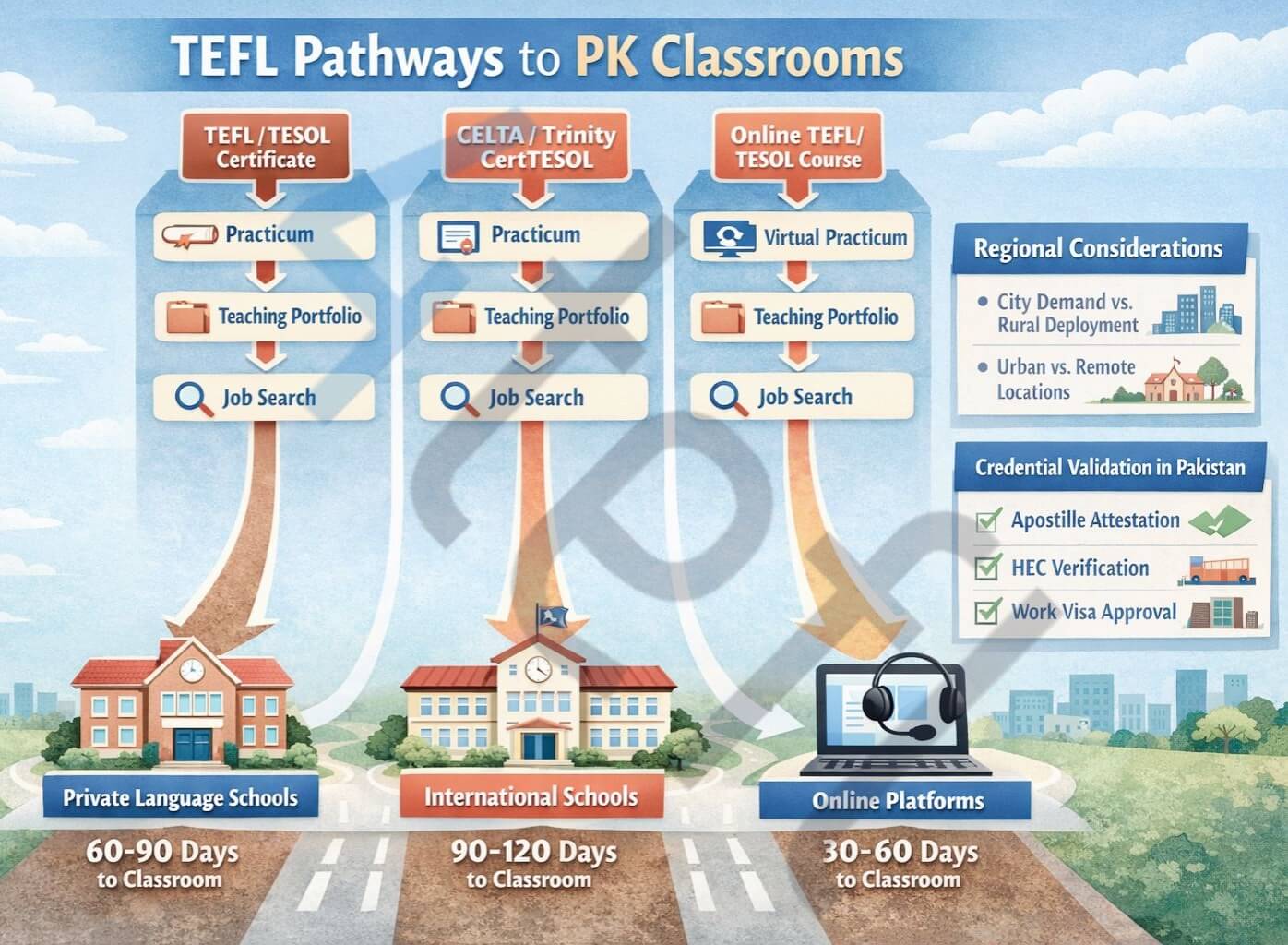
Practical TEFL routes in Pakistan sit at the intersection between internationally recognised certification and local teaching opportunities. The most common routes include:
- Formal practicum-based courses such as CELTA or Trinity CertTESOL, where students receive intensive practicum and standardised assessment.
- Online courses including a supervised practicum or teaching practice component.
- Hybrid paths combining online theory with local teaching practice under mentorship.
Each of these paths has its own benefits when it comes to your timeline, financial plan, and the region you seek employment. As you figure out options, think of a certificate with a robust practicum attached and linked to local teaching standards that more reliably translates into PK classroom roles.
Certification Options for TEFL in Pakistan
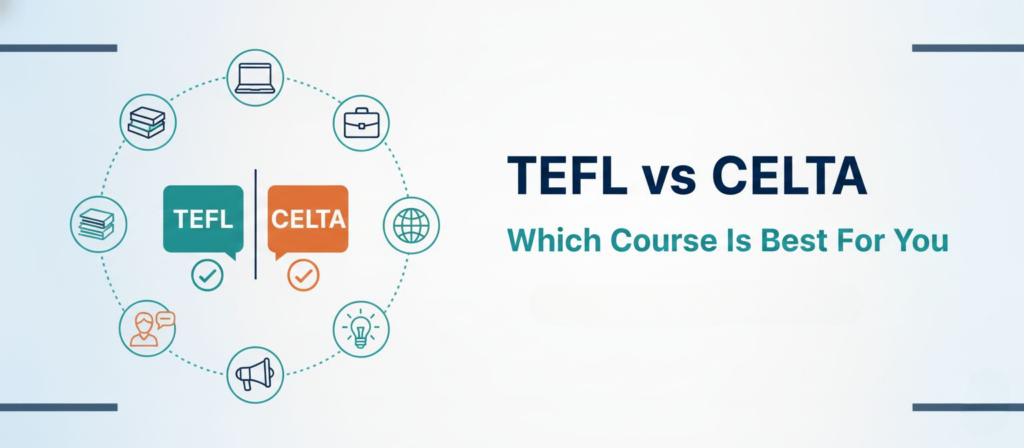
| Certification Type | Typical Duration | Global Recognition | Pros | Cons |
| CELTA or CertTESOL (in-person) | 4 weeks intensive (or longer formats) | Very high; widely recognised in international schools | Strong practicum, well structured, employer trust | Costly, time-intensive, limited intake windows |
| Online TEFL (120-180 hours) with practicum | 6-12 weeks (flexible) + local practicum | Widely accepted; varies by provider | Flexible, cost-effective, accessible from PK | Quality varies; practicum quality depends on arrangements |
| TEFL Diploma / Advanced Certificate | 6-12 months (part-time) | High for senior roles; not always required for entry | Career progression, salary potential | Requires prior teaching experience; not ideal for beginners |
It should also be based on how you want to operate in this context, and what employers you are trying to find. Local private language schools often focus on practical teaching skills and student involvement as much as a certificate, however, international schools and universities may prefer accredited certificates with sufficient practicum and a recognised degree. Registering with a reliable training institute which provides a transparent practicum within Pakistan or an internationally approved practicum can facilitate your transition from certificate to class. The importance of real classroom observation and feedback is also universal among PK employers, therefore practicum hours would be non-negotiable within your plan.
When you move from theory to the classroom, you’ll also create a portfolio of:
- Lesson plans
- Classroom observations
- Reflections on learner progress
Having a strong portfolio lets you show employers through your work in Pakistan and abroad that you can make an impact. Finally, think of experience that expands your reach, be it mentoring beginner teachers, co-teaching with experienced staff or creating language activities that are culturally relevant. Such experiences make for more promising positions in foreign language schools and schools that offer professional development resources.
Cultural and Language Challenges in TEFL for Pakistan
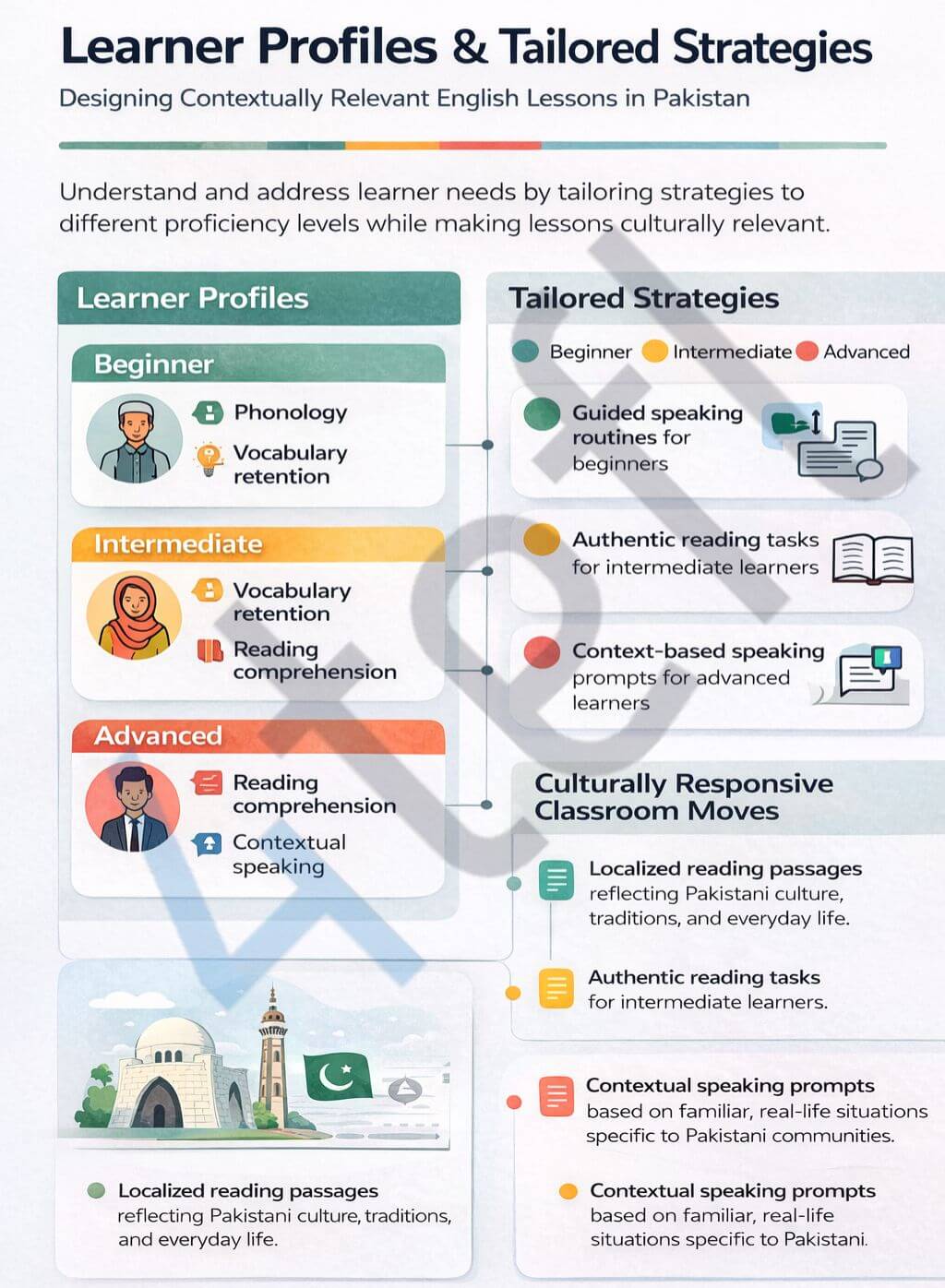
Every English language classroom in Pakistan is influenced by cultural and linguistic dynamics. Learners come from diverse language backgrounds, ranging from Urdu as the medium of communication to Punjabi, Sindhi, and Pashto, which impact everyday interactions. In most contexts, English is taught as a second language, and previous exposure to English varies widely from individual to individual among learners. Teachers must work alongside clear and specific communicative practice with culturally relevant materials, which also need to address literacy levels but keep the environment full of English.
In the Pakistani education setting, UNESCO and the British Council state that the emphasis is on progressing students from a receptive to productive use of English and acknowledging multilingual identity. A successful TEFL instructor in Pakistan understands that learning a language is also a social and cultural act, not just a succession of grammar points. Classroom norms in Pakistan could be different from Western contexts too. In certain schools, traditional patterns of teachers’ relationships with their students and expectations for discipline and classroom management, as well as pupil participation, are deeply embedded. This can impact methods like pair work, group projects, and student-led activities.
Adapting activities to fit their culture, examples from local life or current events or familiar social situations, helps children engage and feel that the English they are learning is relevant to their daily lives. A strategic mix of English-only instruction and intentional opportunities for meaningful code-switching helps build comprehension and enhances confidence. The challenges of language require creative assessment and feedback tools. Activities for diagnostic assessment identifying gaps in listening and speaking can cater to various types of learners. For a significant portion of Pakistanis, pronunciation, intonation, and so forth are also associated with regional linguistic tendencies; this is why teaching may be supplemented with visual supports, peer feedback, and repeated self-monitoring exercises. Moreover, teachers ought to be conscious of gender norms and accessibility in designing classroom encounters, especially among co-educational groups. Inclusive practices, culturally relevant materials, and strong rubrics are a priority so that both the learners themselves and their parents have the opportunity to progress with determination and dignity through English.
Choosing Accredited TEFL Training for Pakistan Jobs
The importance of accreditation is that it provides evidence of what a programme has to offer, teaching standards, practicum that has meaning to students, and is in line with international guidelines. When vetting TEFL training for jobs in Pakistan, use recognised certifications that acknowledge observed teaching practice, feedback from skilled tutors, and a transparent pathway to classroom placement. Employers in Pakistan, particularly in international schools and reputable private institutes, tend to favour those with certificates certified by established TEFL bodies or university-run training programmes.
Though it’s typical to encounter a variety of providers, those with strong practicum components and clear accreditation, and those who promise the kind of lasting career advancement teachers will need, will be most reliable. It is important for eligibility and for relevance at a regional level. Some PK institutions invest in teachers who have completed programmes with practicum in real classrooms where they work, not just online theory. Whenever possible, seek out training with links to Pakistani school networks, or partner networks that help with placement in PK, or mentors who can assist you in finding positions within schools or even gaining internship or mentorship experience. This local fit is important, as the willingness of an administrator to adapt to the demands of PK classrooms, from examination structures to curriculum requirements, is reflected here.
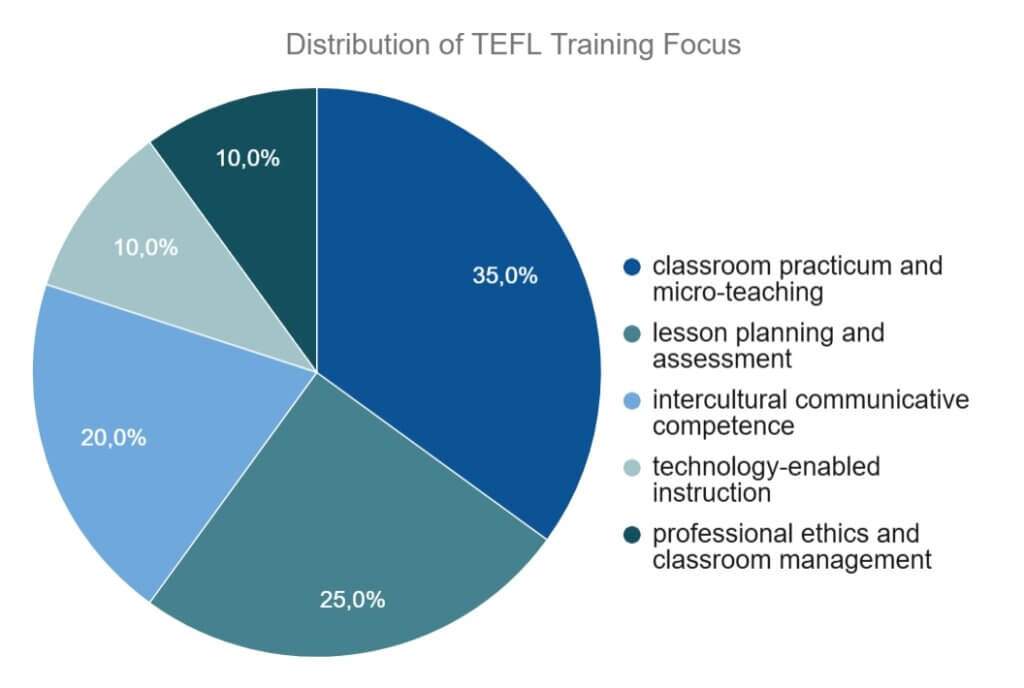
While looking at options, focus on providers that offer post-certification training, ongoing professional development and evidence-based pedagogies. An authentic TEFL pathway must incorporate technology, tools for learning, and cultural fit as well. The role of technology in the classroom is also becoming increasingly important in Pakistan, where online and hybrid modalities are gaining popularity, such as digital literacy and the use of technology in the classroom. Structured, effective programmes offer support for multimedia tools, administration and content for virtual learning classes and engaging syllabus sequences based on the teaching environment. It ought further to be instructive on how to work legally and ethically in PK, including visa considerations for international teachers and best practice for cooperation with local staff.
Policy and Regulation for TEFL in Pakistan
Pakistan’s TEFL landscape is a combination of public and private sector practices, as opposed to a centralised national licensing model for TEFL teachers. Public schools function under provincial education departments, but many English teachers are employed in private language institutes, colleges and international schools that determine their own hiring standards. Regulatory standards are often based on generic educational qualifications, background checks, and codes of behaviour for teachers.
UNESCO’s and the British Council’s reporting highlights the need for reputable certification, which contributes to professional norms in Pakistan’s changing educational landscape. The practical implication for the teacher candidate is to check if their credential is accepted by target employers. Certificates from CELTA, CertTESOL or university-based TEFL programmes are often appreciated by international schools and large private chains, as well as measurable experience in the classroom. Local institutions may be more flexible, but will continue to look for proof of the ability to do practical work and communicate clearly in English. Contacting local teachers and joining professional associations enables one to understand job requirements and stay abreast of developments in the regulatory environment.
Career Pathways and Market Trends in Pakistan
The TEFL market in Pakistan continues to diversify. Private language institutes and schools in major cities drive demand for certified teachers, while universities and public-private partnerships offer opportunities to contribute to language development programmes and teacher training initiatives. Online TEFL and hybrid roles have grown, enabling teachers to reach learners beyond geographic boundaries and gain cross-cultural experience.
Market trends indicate a growing appreciation for instructors who bring both solid certification and a track record of learner improvement, especially in higher-proficiency segments and exam preparation contexts. Teachers generally progress from classroom roles to curriculum development, teacher mentoring, or training new teachers to enter the job market. The portfolio should include evidence of learner attainment, lesson development, and reflective teaching. Salaries in Pakistan differ significantly across sectors, locations and types of institution: international schools, for instance, may offer higher remuneration and professional development opportunities compared to private language centres, which may offer flexible hours and performance-based incentives for professional growth. As the TEFL sector in Pakistan matures, teachers seeking to integrate accredited education with locally embedded, culturally responsive practice will be in higher demand.
A Practical Perspective on Keeping a TEFL Career in Pakistan
In Pakistan, establishing a TEFL career entails careful planning, a desire for professional development, and an understanding of context. It takes time and attention, and understanding.
First, choose a credential that includes a relevant practicum that correlates with your professional objectives, whether teaching in an urban international school, at a private language institution or providing online classes to learners in or outside Pakistan. Build your portfolio at the outset and show it: sample lesson plans, reflections on your teaching practice and documented evidence that you have made an impact. Look for opportunities to learn from experienced staff, co-teach and receive honest feedback that makes you a better teacher and more employable throughout PK’s diverse education ecosystem. Lastly, build a professional network, mentors, colleagues and local education spaces you can rely on, sharing job leads and learning how to be an effective educator in Pakistan.
The practical aspects of a career in TEFL in Pakistan require a stepwise approach:
- Certificate
- Practicum
- Learning in local classrooms
- Specialisation (exam preparation, young learners, etc.).
Make accredited training and strong practicum the first priority and seek clear post-certification support. Develop cultural responsiveness: adapt materials to local contexts, hear student voices, and respect regional languages. Develop a broad portfolio of lesson designs, assessment rubrics, and evidence of learner outcomes across different contexts. Stay attuned to changes in education policy and legislation, and keep in touch with regulatory developments to ensure appropriate employment and legal compliance.
Authoritative Sources and Fact Checks (References)
- British Council Pakistan: Leading organization for English language teaching and teacher training programs in Pakistan.
- UNESCO Islamabad: Information on educational policy, literacy standards, and teacher professional development.
- Cambridge English: Global standards for the CELTA qualification, recognized by international schools in Karachi, Lahore, and Islamabad.
- Higher Education Commission (HEC) Pakistan: Data on degree accreditation and teacher licensing reforms in Pakistan.
Do I need a degree to teach English in Pakistan?
Requirements vary by institution. Private language schools often hire teachers with a TEFL certificate and a bachelor’s degree; international schools typically require a degree plus TEFL and teaching experience. Always verify the specific job ad and local regulations for the provincial area where you intend to work.
Is CELTA essential to teach in Pakistan?
Not universally essential, but highly valued, especially for international schools and programmes with high standards. An online TEFL with a solid practicum can lead to entry-level roles, but CELTA or CertTESOL often improves job prospects and salary potential in more competitive settings.
Can I teach TEFL online from outside Pakistan?
Yes, online teaching is feasible from many locations, provided you have a TEFL certificate and reliable internet. Some platforms require local availability windows or time-zone alignment. Ensure you can deliver engaging lessons, manage online platforms effectively, and maintain professional communication with learners and coordinators.