Understanding DELTA: A Practical TEFL Diploma for Career Growth


What makes this special is that for many TEFL professionals DELTA represents a turning point. A rigorous and respected qualification signals advancement beyond the initial CELTA stage and opens doors to advanced teaching, teacher education and leadership roles offering both flexibility and quality. What matters most is that DELTA can still raise questions about what it requires, how it compares with CELTA and how to fit it into a busy teaching career. This guide cuts through the jargon with clear explanations, practical timelines and concrete steps to help you decide whether DELTA is the right next move for you and how to plan your course effectively.
If you are aiming to progress your career the pages that follow offer an overview of what DELTA is, how it differs from CELTA, what the application routes look like and how to prepare with structure and confidence combining practicality with professional depth.
Understanding DELTA: What It Is for TEFL Professionals
To begin with DELTA, short for the Diploma in Teaching English to Speakers of Other Languages, is a qualification offered by Cambridge Assessment English combining practicality with academic depth. It is widely regarded as a mature, profession-oriented certificate designed for experienced teachers who want to deepen their knowledge of language, pedagogy and assessment. In the TEFL world DELTA sits at Level 7 of the UK Regulated Qualifications Framework placing it alongside master’s level work and other advanced professional qualifications. This positioning matters.
Unlike other options DELTA demonstrates competence across three areas: language and learning, applying sound methodologies in real classrooms and researching and reflecting on practice to inform policy and programme design. Cambridge emphasises that DELTA graduates can design and assess teaching and learning programmes with an inquiry-informed view. This means you’ll encounter a blend of theoretical grounding, practical teaching skills and a project-oriented approach to professional development. The qualification supports transitions into roles such as senior teacher, mentor, teacher trainer, materials writer and curriculum designer.
DELTA’s global footprint is an advantage in itself. With accredited centres around the world and flexible delivery options it enables teachers to balance study with work commitments, relocate internationally with a credible certification or contribute to online education teams. Reputable organisations such as the British Council and UNESCO recognise the value of advanced teacher development DELTA represents particularly when paired with classroom experience and reflective practice. In short DELTA stands apart. This guide will unpack how to approach the qualification, what to expect from its structure and how to prepare effectively.
Key DELTA attributes at a glance
| Aspect | DELTA | CELTA |
| Level | UK Regulated Level 7 (master’s level) | UK Regulated Level 5 (RQF) |
| Modules | Three modules (A, B, C) | Typically one main module plus teaching practice |
| Assessment | Coursework, extended project, teaching practice | Coursework and observed teaching practice |
| Typical duration | Generally 9–12 months part-time (varied by centre) | Often 4–12 weeks full-time or part-time options |
| Audience | Experienced teachers seeking leadership, training, or research roles | Initial teacher development for practicing teachers |

In terms of content focus Module 1 concentrates on knowledge about language, learning and methodology; Module 2 centres on the development of professional practice through teaching, planning and assessment; Module 3 involves independent study and action research that links theory to practice. The assessment framework ensures evidence of competence across planning, execution and reflective analysis. For many teachers this combination provides a credible structure for demonstrating professional growth recognised by schools, universities and language institutions worldwide. As with any advanced qualification the value of DELTA rests not only in the certificate itself but in how you apply the learning to real classroom and leadership scenarios.
DELTA vs CELTA: Key Differences for Career Paths
What’s really neat is that DELTA and CELTA are both Cambridge qualifications but they sit at different points on the professional ladder and serve different purposes offering both flexibility and quality. DELTA is a Level 7 master’s-equivalent diploma designed for experienced teachers who want to broaden their language awareness, classroom leadership and professional growth. CELTA by contrast is a Level 5 certificate aimed at initial teacher development for new and early-career teachers. This distinction matters.
A traditional comparison point is the module structure and assessment approach. DELTA comprises three modules (A, B and C) culminating in independent research work with written coursework and teaching-practice evidence. CELTA focuses on practical teaching skills, lesson planning, classroom management and observed teaching practice within a shorter and more intensive format. Recognising these differences helps you align your qualification choice with your long-term objectives whether you aim to lead programmes, train teachers or specialise in language development research.
Another factor is the level of academic demand and time commitment. DELTA’s Level 7 status often requires more extensive reading, analysis and an extended research component. CELTA’s shorter intensive format suits those seeking rapid entry into classroom teaching or regional teaching pathways. It is important to speak with accredited DELTA centres about course formats, fees and study plans to determine which path best matches your current situation and career goals.
What makes this different is that from a geographical perspective DELTA is widely recognised across English language education markets in Europe, the Middle East, Asia and the Americas. Some education systems and institutions place stronger emphasis on leadership roles or higher salary bands while others prioritise language-teaching credentials and classroom experience. The key is to look at job descriptions in your target countries or institutions and map those requirements to DELTA’s three-module structure and the accompanying assessment expectations. A thoughtful comparison anchored in your professional aims will make the choice clearer and more strategic leading to saving you time and effort.
Entry Requirements and Pathways for DELTA Certification
Entry into DELTA typically requires a combination of teaching experience, a recognised TEFL qualification and demonstrable language proficiency. Most centres expect candidates to have a record of classroom teaching and to hold a prior qualification such as CELTA or an equivalent certificate. A degree is commonly requested by many providers though exact requirements vary by country and centre. Many providers offer blended or online options for Module 1 with Modules 2 and 3 incorporating practical teaching components completed either in person or through supervised practice.
Pathways to DELTA are increasingly flexible to accommodate working teachers. You can complete DELTA fully online, blended or in person depending on the centre. Some candidates combine DELTA with part-time teaching while others opt for intensive sessions during school holidays. Planning ahead considering study commitments, travel and potential sponsorship will help you map a realistic timeline. In many regions professional development funding or employer sponsorship is available for DELTA candidates who can demonstrate how the qualification will improve classroom practice and programme quality.
Costs for DELTA vary widely by centre, location and delivery format. You should budget for tuition, materials and any required teaching-practice observation fees. Although it is an investment many candidates report that DELTA leads to higher pay bands, eligibility for leadership roles and improved teaching outcomes. Understanding the sequencing of modules (A, B, C) and the expected time commitments for each will help you align your study plan with work and personal responsibilities.
Practical Preparation: Skills, Tasks and Exam Focus
A practical DELTA preparation plan begins with a well-defined schedule that allocates time to reading, classroom practice, reflection and assessment tasks. The key point is to start by building a solid foundation in knowledge about language, theories of language learning and current methodologies. This is a genuine game-changer: this theoretical base supports Module 1 and informs your approach to Module 2’s practical work and Module 3’s research focus. Regular reading and participation in professional activities strengthen this preparation.
Having an integrated teaching practice routine is essential. In Module 2 you will be expected to demonstrate your ability to plan effective lessons, assess learners accurately and provide actionable feedback. Collect evidence from your teaching sessions including video recordings, lesson plans and supervisor feedback to support your coursework and reflective writing allowing you to make your professional life easier.
For Module 3 plan a project that links theory with practice and culminates in an extended write-up that discusses methodology, data collection, analysis and implications for future practice offering both flexibility and quality. A portfolio showcases your growth across all three modules including a record of mentoring, observation and professional development activities.
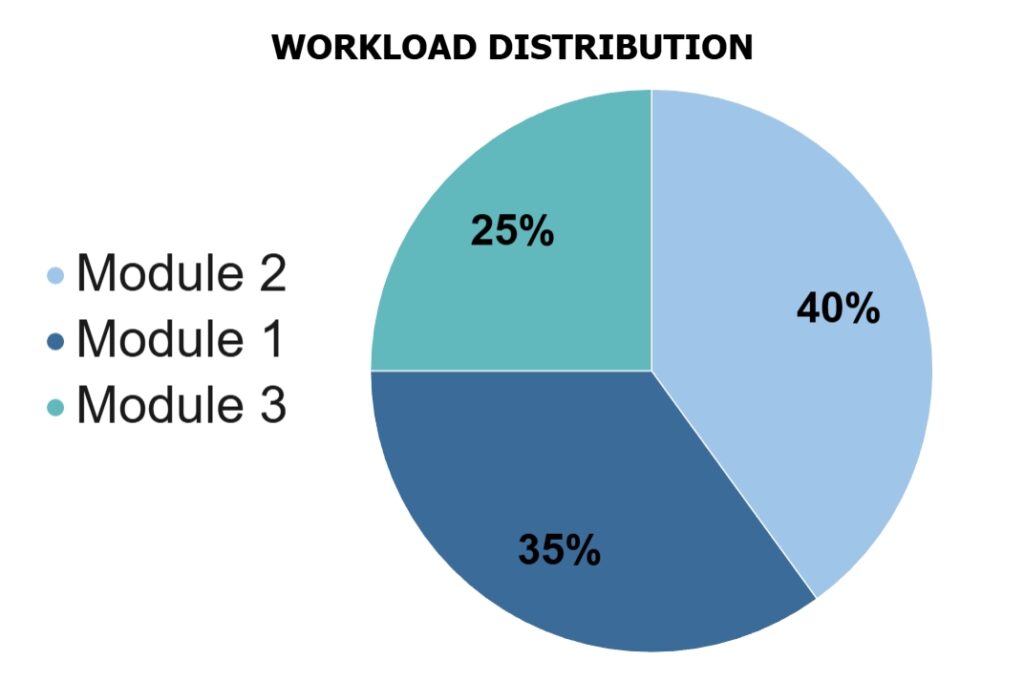
Practical preparation requires consistent study habits. Create a study calendar alongside your teaching timetable, set weekly tasks such as reading, observing, drafting and revising and maintain an organised file of teaching evidence. Engage with sample DELTA tasks from reputable centre materials, practise writing under timed conditions and seek feedback from peers or mentors.
Next Steps: Practical Takeaways
- Assess your career goals and decide whether DELTA aligns with your ambitions for leadership, programme design or teacher education. If you see yourself guiding other teachers, designing programmes or taking on external roles DELTA offers meaningful credibility.
- Contact accredited DELTA centres to compare delivery formats, module sequencing and support services. Ask about online options.
- Start building an evidence base now. Collect lesson plans, learner feedback, classroom observations and reflective notes as they will feed into Module 2 and Module 3 coursework.
- Create a realistic study schedule that fits around teaching commitments with time for reading, writing, data collection and revision and set milestones for each module to maintain momentum.
- Budget for the investment and consider potential sponsorship routes. If possible discuss with your employer whether professional development funding or course partnerships could share the cost and align with school or organisation goals.
- Stay connected with fellow DELTA candidates or graduates. Online forums and networks can offer support and guidance.
Authoritative Sources and Fact Checks
- Cambridge Assessment English Official DELTA Page: Source for qualification structure, levels, and assessment criteria
- UK Regulated Qualifications Framework (RQF) Level Descriptors: Context for RQF Level 7, which establishes the master’s-level equivalence of DELTA
- British Council Resources on Professional Development for Teachers: Information regarding the importance and recognition of advanced teaching qualifications like DELTA in global contexts
- Cambridge Assessment English Official CELTA Page: Used for comparison and differentiation between DELTA (Level 7) and CELTA (Level 5)
What is DELTA, and who should consider it?
DELTA is Cambridge Assessment English’s Master’s-level Diploma for experienced TEFL professionals seeking leadership, teacher education, or curriculum-design opportunities. If you already teach with confidence and plan to develop into senior roles or teacher education, DELTA is highly relevant.
Can DELTA be studied online?
Yes. Many accredited DELTA centres offer online or blended delivery to accommodate working teachers. It remains essential to verify delivery formats, supervision provisions, and assessment timetables with an approved centre.
How long does DELTA take, and what does the cost look like?
Completion often spans 9-12 months for part-time study, though timelines vary by centre and format. Costs vary widely by region and delivery mode; it’s best to obtain a detailed breakdown from your chosen centre and to compare with potential employer sponsorship or scholarships.
Is DELTA worth pursuing if I already have CELTA?
For many teachers, DELTA complements CELTA by enabling deeper theoretical understanding, more robust classroom leadership skills, and formalised research capability. The investment often translates into higher earning potential and broader career options, especially in teacher training or management roles.
How should I choose a DELTA centre?
Look for Cambridge-authorised centres with clear module structures, consistent assessment practices, strong tutor support, and a track record of graduate outcomes. Seek feedback from past candidates about supervisor quality, timeliness of feedback, and the practicality of coursework prompts.