Teaching English in Chile: Certification, Training and Career Paths


Chile is a country of striking contrasts – climbing Andes, sun-bleached deserts, and vibrant coastal cities. For prospective English teachers, it includes a friendly environment, a well-established private field of education, and a continued focus on improving English in schools.
The country’s ever-growing need for qualified teachers offers genuine opportunities for teachers, many of whom have a solid TEFL/TESOL qualification with meaningful experience. This article is the most practical, real, and reliable guide to qualifying for TEFL certification in Chile, our training for TEFL (and equivalent elsewhere) according to Ofqual and global standards, and the steps we must take to ensure we have a rewarding role as teachers, including visa status.
If you find yourself thinking about moving abroad, Chile is a strong option that offers professional fulfilment and personal development. A solid base in TEFL is the starting point. We are looking to facilitate your path through the certification landscape, meet other requirements for certification, and provide a straightforward pathway leading from your training to your first classroom to understand what your employer’s expectations are.
You also receive guidance on:
- Certificate levels
- Practicum requirements
- Alignment of programmes to help you attain your qualifications and make yourself employable not just in Chile, but all across Latin America and beyond.
The more you know about standards, regional requirements, and simple visa procedures, the better prepared you will be to make good and informed decisions as a candidate. You’ll discover the reasons behind why Chile is a great place to teach, how TEFL certification works, what TEFL certification means in the Chilean context, how our training aligns with Ofqual, the international standard, and the steps you can start to get a good working position and work authorisation in the coming sections. The content itself is intended to be informative, actionable, with references to trusted resources, so it is easier to plan a successful TEFL journey in Chile.

Why Chile is a Great Place to Teach English Abroad
Chile offers stability and opportunities, in addition to a culture that celebrates education and international experience. It is one of South America’s more economically stable nations, having a robust private-sector education market that often looks for trained English teachers.
For many of its foreign teachers, Chile provides a friendly expatriate population, urban hubs with a vibrant cultural landscape, and proximity to natural landscapes from Andean mountains to coastal beaches and national parks.
This mix makes Chile attractive to professionals looking for further education together with an encounter with new places as a place of cultural expression.
The Educational Context
Three specific realities have informed the pedagogy of Chile:
- Cornerstone of Education: English is a cornerstone of contemporary education and private language learning, so there are various methods for teaching – language schools, international programmes, and higher education contexts.
- Urban Clustering: Urban centres, in particular Santiago, cluster most English-teaching activities, and regional cities also become practical in terms of the type of student or economic demands.
- High Credentials: Third, we offer to pay teachers with high TEFL credentials, with a lot of good experience in classrooms and the flexibility to accommodate the local curricula and the students.
With meticulous planning and professional development, you can succeed in a career and enjoy life in Chile’s rich variety of cultures and places.
To new teachers: On a more practical note, demand is to be found in a realistic environment which should support international recruitment cycles, an easy way to get into quality TEFL programmes, and the growing attention in schools and language academies on the quality of language proficiency. All teaching roles are different, but the demand from employers does not waver, as a focus remains on those individuals who can provide the practical expertise, cultural understanding, and continuous development needed to be effectively employed. And this balance of high-quality credentialing, actual teaching practice, and a solid integration plan is what allows teachers to stand out in Chile’s English-teaching market.
TEFL Certification in Chile: Paths, Standards, Outcomes
Excellent TEFL certification is the key to teaching in Chile. Whether courses are online or in-person, they can be rigorous, with differing lengths, practicum elements, and recognised standards. A great number of Chilean schools and overseas programmes focus on qualifications where it is crucial to have a minimum 120-hour TEFL certificate, followed by a supervised practicum.
Certifications at a higher level – a 150-hour course with a considerable practicum or a diploma-based programme – will improve job prospects, especially in international schools or higher education institutions. Consider whether the programme is consistent with internationally accepted standards, practicum quality, and transferability to other countries. The TEFL certification that is best practised in Chile works both theoretically and practically with the teaching staff.
Course content usually includes:
- Lesson planning
- Classroom management
- Assessment and feedback
- Theories of language acquisition
- Practical teaching strategies appropriate for a variety of classroom settings.
A good programme makes you comfortable with varying ages, levels of English learning, and cultural environments – things crucial for those working in Chile’s multilingual classrooms. For employers, there’s a need for evidence of theory and practice, and this means you want to ensure you’re taking courses that provide students with real hours of instruction in classrooms (real or simulated) and constructive feedback from a veteran teacher.
Expected Outcomes:
Outcomes from a quality TEFL programme in Chile are usually higher confidence in teaching in ways that are interesting, better differentiation for mixed-ability groups, and some kind of evidence – a portfolio of lessons and analysis. Students frequently report smoother job applications, better interview performance, and increased flexibility to teach across Latin America or remotely, where English-teaching resources are expanding. In some cases, those who have a long-term career plan will also be engaged in future learning, alumni relationships, and pathways to higher qualifications.
Our TEFL Training Aligns with Ofqual and Global Standards
Our TEFL training is rigorous according to internationally recognised standards. That is our commitment to standards in alignment with Ofqual – the UK government-regulated framework for qualifications – and ensuring that we deliver courses that are both at a high standard and can be accessed across borders. Aligning with Ofqual helps Chilean and other employers get to know the value of your qualification, leading to easier job applications as well as visa processing.
Apart from Ofqual, we map our programmes to well-known international standards such as the CEFR levels (A1 to C2) used all over the world as a measure of international language proficiency. This two-pronged alignment – national codes of practice and international language standards – will set you up to be successful in teaching as well as career progression.
Beyond policy and regulatory requirements, we also teach TEFL best practice, reflective practice, and classroom readiness. You will connect with contemporary approaches to teaching, assessment, and inclusive pedagogy that mirror the latest thinking in research and what is happening in the classroom. Our curriculum is tailor-made to be adapted for Chilean classrooms, where students are from diverse linguistic and educational backgrounds.
By choosing a course with Ofqual and international standards, this would show employers that you are fit to deliver high-quality English instruction in a variety of settings – from private language schools to higher education institutions. This allows Ofqual-aligned TEFL certification for learners setting out for an international career. According to Chilean and other countries’ employers, qualifications with transparent and measurable assessment criteria, specific learning outcomes, and demonstrable practicum experience are common. It also equips you with strategies to express your skill set in language that reflects the community, thus facilitating the translation of your skills into hands-on classroom success. Regulatory alignment and global standardisation together provide your professional credibility and confidence when you set out to teach abroad or online.
Practical Pathways to Teach in Chile: Jobs and Visa Tips
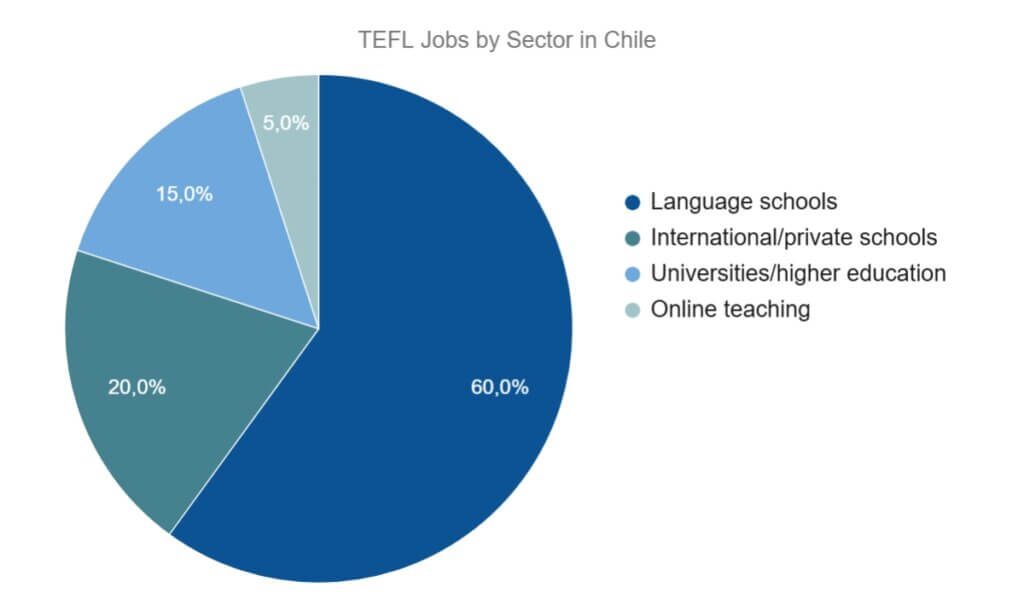
Chile offers multiple ways of teaching English, indicating a diverse market:
- Language schools & private academies
- International schools
- Universities
Some entry points to language schools or private academies value TEFL certification and practicum experience (with regular or flexible timing; in some cases there are both private lessons and after-school programmes). For international schools and universities, they offer higher salaries on more structured terms but require substantial qualifications such as a bachelor’s degree and the necessary years of teaching experience. Your decision will be determined by your capabilities, location preference, and long-term career focus.
Job Hunting Success:
Successful job hunting in Chile usually begins with a well-prepared CV, a compelling cover letter, and an online professional profile customised for the Chilean market. Network with your alumni, be part of reputable TEFL communities, and take advantage of job boards that focus on Latin American opportunities. The recruitment cycles in Chile coincide with academic calendars, so looking ahead – ensuring you secure a contract before starting work, and know visa timing – will help you manage expectations ahead and avoid delays.
Visa and Work Authorization:
At one point, when you have your pick, the visa process in Chile begins, and usually consists of presenting a work contract, together with relevant papers, to the Servicio Nacional de Migraciones to obtain a work visa or residency status. Visa and work permit aspects are at the core of any teaching plan in Chile. Typically, when you secure a formal job offer, you can apply for a work visa linked to the employment contract.
The precise requirements can differ depending on the applicant’s nationality and the kind of posting, so check current government guidance through Chile’s official migration portal. Some schools will sponsor visas, and some will require teachers to secure a short or temporary permit before they can move on to longer-term authorisation. A pragmatic solution would be to do online teaching or short-term placements whilst you deal with visa paperwork, before transitioning to in-person teaching once your visa has been authorised.
The Chilean English Education Landscape: Where to Teach and What to Expect
Chile’s English teaching market is driven by urban demand, the growth of private education, and ongoing curriculum reforms.
Location Opportunities
- Urban Hubs (Santiago, Valparaíso, Concepción): Numerous language schools, international programmes, and even language centres associated with NGOs and universities.
- Regional Towns: Opportunities are created by private language schools and government-supported programmes to enhance young learners’ English skills.
English teaching is often prioritised in private-sector schooling; for many teachers, the reward is working in well-managed schools with clear expectations regarding lesson planning, student engagement, and assessment.
What to Expect on the Ground
On the ground, you can expect steady classroom routines, clear learning goals, and the expectation to adapt to the local mix of student abilities and cultural identities. Punctuality, professional presentation, collaboration with colleagues, and collaborative planning are often highly emphasised in Chilean schools.
Some positions require firsthand knowledge of Spanish to manage the classroom and communicate with parents, but many jobs for non-Spanish speakers offer English-only instruction with assistants or language partners. For teachers considering a position in a regional area or short-term placement, flexibility, the ability to adapt to local leaders, and the initiative to create teaching materials that are relevant to the region will be the skills that enable you to succeed.
Common TEFL Roles in Chile (approximate ranges)
| Setting | Typical Hours (per week) | Typical Monthly Salary Range (USD) | Notes |
| Language schools / academies (urban) | 20–25 teaching hours (+ admin) | $800–$1,400 | Private-language sector common in Santiago; supplement with private lessons |
| International / private schools | 25–30 teaching hours | $1,200–$2,200 | Higher requirements; visa sponsorship often available; stable contracts |
| Universities / higher education | 10–15 teaching hours | $800–$1,500 | Duties may include research; graduate qualifications beneficial |
| Online / remote teaching | Variable hours | $300–$1,200 | Flexible, location-independent; ideal for supplemental income |
Getting Hired: Job Search, Application Materials, and Interviews
Your first step is to set up a package according to the Chilean model.
- CVs: Should be short, with a clearly detailed list of TEFL certification, practicum experience, age groups taught, and any specialisations.
- Cover Letters: Focus on your skill in handling different types of learners and your adaptability in classroom contexts.
If you’re targeting private language schools, emphasise flexibility, dependability, and proof that students have made progress in past roles.
The Interview Process
Interview preparation is crucial. Chilean employers may interview you virtually before inviting you to a real classroom demonstration. It involves discussing:
- Classroom management strategies.
- Lesson planning methodology.
- Methods of adapting activities for mixed-ability groups.
Showing cultural awareness and a student-centred approach may set you apart. You might also be requested to submit teaching demos or micro-lessons; planning and delivering those with clarity is essential for success.
As you move forward, plan for your visa, housing, and other logistical details. Working with relevant alumni, and getting involved in established TEFL communities can provide insights regarding the cities to target, which schools will sponsor your visa, etc. Note that visa requirements and employer expectations are likely to change – it is the official government guidance and trusted training providers you can use when making a decision. A well-refined application paired with a confident presentation and proactive visa decision-making will help you gain an attractive teaching job in Chile.
Conclusion
Teaching English in Chile is an equally rewarding and fulfilling professional and personal venture. Now that you have a good TEFL qualification according to Ofqual and global standards, you can move smoothly into positions in fast-evolving learning environments.
Knowing your way around the local education and support system, writing a very good job application you don’t want to leave off, and planning for visa processes with care allow you to do the most important thing – help your students to develop language skills and confidence. If you’re inspired to go further to your next step, consider our programmes, inquire about practicum placements, and begin to build your journey to teaching in Chile.
Authoritative Sources and Fact Checks (References)
- Servicio Nacional de Migraciones (SERMIG): Official government source for work visa requirements and migration laws in Chile.
- Ministry of Education, Chile (Mineduc): Information on the national education system and curriculum standards.
- Inglés Abre Puertas (English Open Doors Program): A government-sponsored initiative focused on improving English language learning in Chilean public schools.
- Ofqual (The Office of Qualifications and Examinations Regulation): Official UK regulatory body for academic and vocational qualifications (TEFL alignment).
- Council of Europe – CEFR: The international standard for describing language ability (A1 to C2).
What is the minimum TEFL requirement to teach in Chile?
Most language schools accept a recognised 120-hour TEFL certificate with practicum. Higher-than-minimum qualifications can improve prospects for international schools.
Is Chile a good country for first-time TEFL teachers?
Yes. Chile offers supportive communities, a clear job market in language schools, and visa pathways linked to employment. It’s wise to plan for a practical teaching assignment and a brief acclimation period.
Do I need to be fluent in Spanish to teach English in Chile?
Not necessarily. Many English-taught classes require no Spanish. Some roles benefit from basic Spanish for daily life or parent communication, but it’s not a universal requirement.
How long should I expect the visa process to take?
Visa timelines vary by nationality and post. Typically, the process can take weeks to a few months. Your employer’s coordination and government processing times will influence the schedule.
What forms of support can I expect from a TEFL provider?
Reputable providers offer guided course content, practicum opportunities, mentor feedback, resume and interview support, and ongoing career advice tailored to Chilean markets.