Your Path to Teaching English in Israel with TEFL Certification


Israel has an attractive platform for English teachers, from private language schools in Tel Aviv to educational programmes in Jerusalem and Haifa. But teaching abroad takes something more than enthusiasm: it needs well-earned credentials, hands-on experience and a strong grasp of local norms.
This article demonstrates a straightforward road from TEFL qualification to being able to enter Israeli classrooms, covering, of course, courses on Ofqual requirements, visa basics and real teaching situations that Israeli teacher employers expect. Ensuring that your practical options, costs, and timelines are mapped out will ensure you are informed as to where to study, how to prepare, and what to expect once you land your first placement.
The goal is to offer practical, dependable guidance that is in line with international standards and credible sources. Through that, we’ll explore the relevance of TEFL in Israel, how to choose Ofqual-aligned courses, what visa and language requirements you’re likely to face along the way, and how to develop the hands-on skills that Israeli students respond to.
The end result is a pragmatic road map designed for new entrants looking to teach English online or abroad, and oriented at Israel’s unique educational landscape. On the way, you will see a brief overview of course pathways and career opportunities to help you plan your next steps.
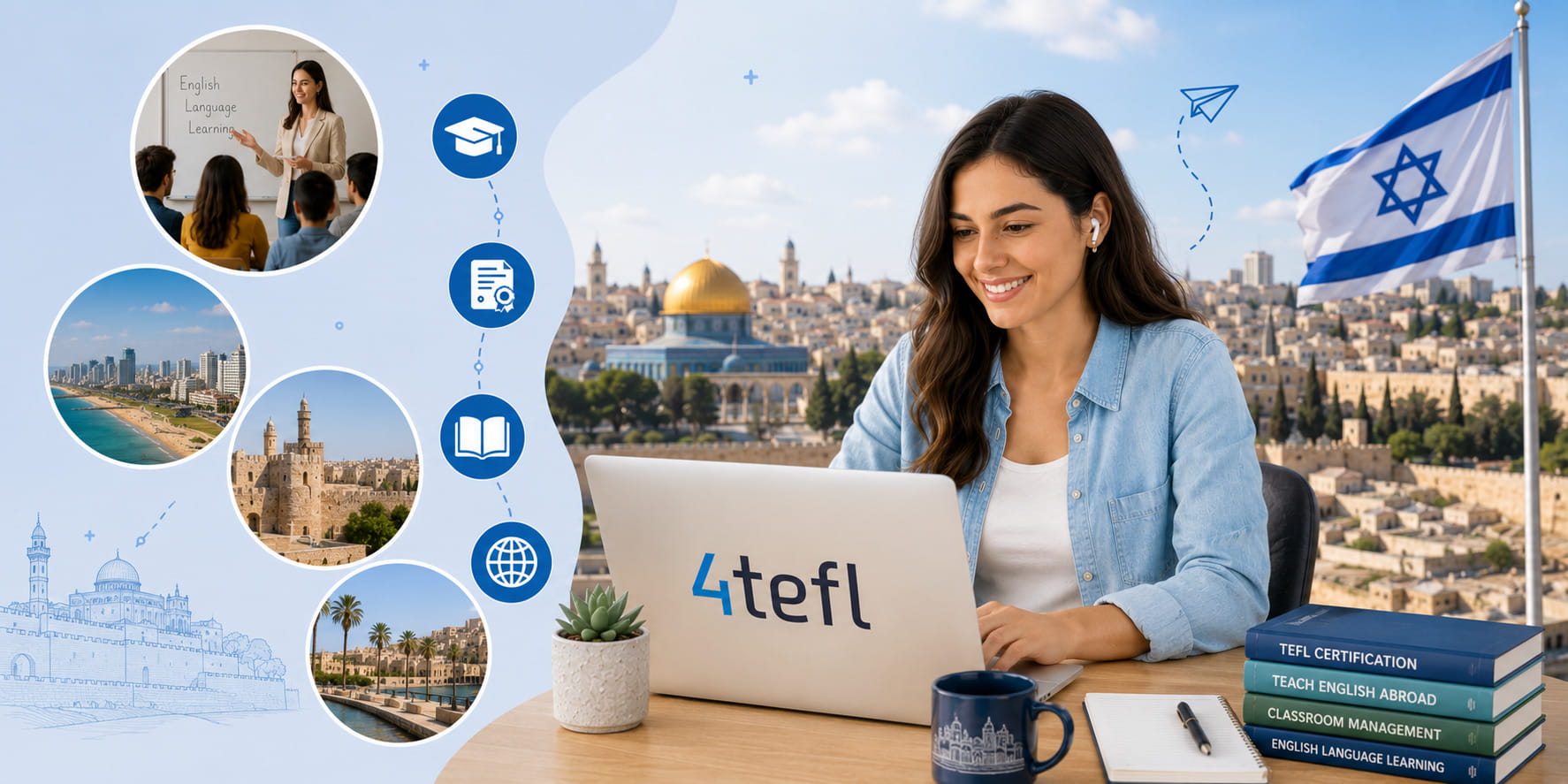
Understanding TEFL Certification for Teaching in Israel
The TEFL certification is a prerequisite to teaching English to speakers of other languages. It tells employers that you are trained in structured lesson planning, classroom management, language acquisition, and assessment.
TEFL certificates are very common educational qualifications in both foreign countries and the United States, where they are often required, and private language schools (for example, in Israel) and internationally sponsored programmes tend to hire teachers with such credentials along with a degree in English or education. This certification signals that you have a solid educational foundation in preparing for and implementing language-based practice.
The credential is not a “one-size-fits-all” passport, of course, but it is a credential widely accepted as evidence of professional preparedness that allows you to create powerful English lessons and meet the needs of an array of students in your classroom.
Two common distinctions you’ll see are TEFL and TESOL, which many providers use interchangeably, while some differentiate by course emphasis or accreditation. The question is not only what the certificate is, but what its legitimacy and practical usefulness are in professional life. A solid 120-hour or longer course, coupled with practicum and classroom observation, may combine theoretical knowledge and practical teaching ability.
For employers in Israel, and for many companies in Israel, proven teachers, adept communicators, adaptable to the diverse needs of students, as well as skilled English language instructors, are highly valued. Effective TEFL programmes generally include:
- Practicum hours
- Lesson planning
- Mentor/teacher feedback
- Chances to directly observe the live classroom
If you’re considering one of those courses, see if the syllabus is clear, the supervisors are qualified, and whether you get actual practicum hours of teaching with real students. By standardising in relation to internationally recognised standards, such as Ofqual (UK), we can ensure that the course reflects quality and learning at a similar level across countries. Although this certificate is valuable, your job opportunities in Israel are based on the combination of your TEFL certificate, a relevant degree and practical teaching experience.
Choosing Ofqual-aligned TEFL Courses for Israel
Ofqual-aligned TEFL courses are those that conform to the quality and assessment standards established by the UK’s regulatory body for qualifications. The learning aims of these courses ensure uniformity of learning outcomes, and the organisations that award them adhere to structured frameworks that many employers have trusted for many years.
For aspiring teachers, Ofqual-aligned credentials can also provide portability and credibility when applying to schools that are keen on internationally accepted standards – such as private language centres in Israel and online teaching platforms.
When assessing courses aligned with Ofqual, verify that:
- The course has been issued by an Ofqual-regulated awarding body or that it contains an Ofqual-regulated qualification.
- Look at the qualification title, hours and whether there is a practicum or teaching practice component within the course.
- It also helps if the provider continues to offer support with CVs, interview preparation and job placement.
Note: Ofqual alignment is a marker of quality and portability, not an assurance that your visa or job will be secured, but it’s a marker of quality that many international employers want and trust.
In an effort to get the most out of Ofqual-aligned TEFL courses, assess modalities, timelines and practicum options. Online courses offer more flexibility and are usually less expensive, whereas in-person formats can provide richer practicum experiences as well as mentoring feedback. A balanced programme combines theory and practice, which Israel’s diverse classrooms require. It is wise to study course reviews and seek feedback from alumni who are working in Israeli environments in order to gain a sense of how well a particular certificate translates into actual teaching careers at Israeli language schools and private centres.
Pathways to Certification: Online vs In-Person and Recognition
Online TEFL pathways cater particularly well to learners who work, travel, or have limited access to local training centres. Normally, courses have flexible schedules, weekend cohorts, and the option to complete theory components remotely before completing a practicum in the local community. For those with an existing student base or access to teaching practice, online formats can be inexpensive and time-efficient.
If you prefer to pursue an online course, choose one that includes a strong practicum, constructive feedback from tutors, and clear guidance on how to set up your own classroom observations. You might work with partner language schools or community programmes to complete practicum hours and meet the requirements of the course, perhaps even in preparation for teaching in Israel.
In-person TEFL courses offer hands-on immersion, organised practicum hours and supervision. Wherever you can receive live feedback and immediate classroom coaching, this can be incredibly valuable and can lead to better results in Israeli classrooms. In addition to core content, many onsite formats allow local teaching practice and instant access to mentors familiar with local teaching contexts.
The most important consideration when choosing between Ofqual-aligned course options lies less in the technology or content itself and more in your learning style, budget, and the speed at which you wish to begin practical teaching. Regardless of the mode, however, make sure the programme includes a genuine teaching practicum, as well as a clearly defined evaluation method, through which you can demonstrate your competence to potential Israeli employers.
Online vs In-Person TEFL Courses (Ofqual-aligned)
| Modality | Typical Hours | Practicum/Teaching Practice | Cost Range (GBP) | Certification Type | Pros | Cons |
| Online | 120–200+ hours | Yes (virtual observations; local practicum recommended) | £250–£800 | Certificate; sometimes Diploma | Flexible; lower upfront cost; widely accessible | Requires initiative to arrange local practicum; variable mentor support |
| In-Person | 120–250+ hours | Extensive in-classroom practicum | £600–£1,800 | Certificate or Diploma; often university-linked | Rich feedback; strong practicum; networking | Higher cost; fixed schedule; travel needed |
Note: The table reflects general trends in Ofqual-aligned TEFL offerings. Always verify with the awarding body and ensure practicum arrangements align with your location and career goals. For authoritative guidance on qualification regulation in the UK, consult Ofqual’s official site.
Requirements to Teach English in Israel: Visa and Language
Teaching English in Israel usually requires a combination of qualifications, a job offer, and a suitable visa. Many private language schools and international programmes hire teachers with TEFL certification and a degree, and many employers assist with the visa process.
The most common option is an employer-arranged work visa, designed to comply with Israel’s immigration and labour laws. A well-recognised TEFL certificate and a degree in English, Education, or a relevant field offer better prospects with private language schools and international programmes. Before working, it is best to check the exact visa conditions with the employer and the appropriate Israeli authorities.
Settings in Israel differ in language expectations in the classroom. Although you are not required to be fluent in Hebrew to teach English in private language centres, some understanding will support your classroom management, everyday communication, and relationship-building with students and staff. A few schools might find it beneficial to incorporate Hebrew-language support into lesson planning. Either way, you should maintain a high level of English proficiency, as you will be your learners’ primary source of authentic English input.
Also, most employers require a criminal background check or police clearance certificate, which is generally processed through your home-country authorities or local equivalents, to help keep the classroom safe.
Beyond visa and language requirements, preparing a professional CV suited to Israeli employers, obtaining appropriate teaching references, and ensuring your passport is valid for the duration of your expected contract are also important. Especially for roles in schools or formal language programmes, employers may ask for a letter of good standing or a professional reference.
It is also wise to plan for post-arrival orientation, classroom integration, and a gradual adjustment period while learning about Israeli classroom culture, weekly schedules and assessment expectations. For authoritative information regarding work visas and immigration procedures in Israel, refer to the government resources of gov.il and other relevant authorities.
Building Real-World Teaching Skills for Israeli Classrooms
In Israeli English education, good grammar and vocabulary teaching are insufficient. It relies on creating lessons that are interesting to students, relevant to learners’ experiences, and responsive to different Israeli goals and school cultures.
Robust TEFL training highlights practical activities such as micro-teaching, peer review, and reflective practice. You will learn how to convert theory into practical lesson plans, adapt teaching strategies for multilingual classrooms, and use formative assessment to track progress.
Israeli classrooms often have a wide range of student backgrounds and highly motivated English learners, so a key skill is the ability to adapt lessons to maximise participation.
Beyond lesson plans, real-world skills include classroom management, bilingual scaffolding, and the use of technology for language development. You’ll establish routines for warm-ups, speaking practice, listening activities, and reading tasks to cater to different proficiency levels.
You will also benefit from learning inclusive teaching methods that take into account learners from different linguistic backgrounds, including those with very little prior exposure to English.
Practical experiences of this kind – from micro-lessons and peer teaching to classroom observation – help you develop a more effective approach and gain confidence in managing the challenges of Israeli classrooms.
Lastly, continuous professional development is pivotal. Gain experience through observing experienced teachers in Israel, seek feedback from supervisors and local training communities, and explore local teaching groups or online TEFL networks.
Having a portfolio that demonstrates your lesson planning, student feedback, and classroom achievements can be valuable when applying for future positions.
Emphasise your ability to connect English learning with students’ goals, whether in higher education, travel, or global business opportunities, as this is important to many Israeli learners. The combination of theory, practicum experience, and reflective practice will help you stand out in a competitive international job market.
Career Prospects and Practicalities: Teaching English in Israel
Israel’s English teaching market is a blend of private language schools, tutoring centres, universities and occasional postings in international schools. Major cities, including Tel Aviv, Jerusalem and Haifa, feature a concentration of language centres where teachers with strong TEFL credentials are employed, particularly when complemented by an appropriate degree and demonstrable teaching practice. Demand for English in higher education, tourism and multinational business activity remains strong.
Networking with language schools, attending local job fairs, or engaging with online teaching platforms can help you identify roles beyond the traditional classroom.
Salaries and working conditions vary depending on the sector, location and type of contract. A private language school can offer flexible schedules and potentially a higher hourly rate for weekend classes, whereas work in an educational institution can provide more stability but less money per hour. Teachers who supplement their income through online tutoring or weekend workshops can build a varied teaching portfolio.
Factor accommodation costs and the cost of living into your considerations when evaluating offers in Israel, and expect a gradual adjustment to the teaching culture. Understanding visa requirements, tax obligations, and the terms of your contract from the outset helps you plan for a successful teaching experience.
Beyond classroom roles, opportunities may also exist in curriculum development, teacher training, and materials creation for language-learning programmes. Building a professional network – including alumni associations, local educators and TEFL groups – can generate partnerships, mentors, and referrals.
If you plan to teach on-site alongside online work, you’ll also have opportunities to apply your skills in hybrid positions, whether through international schools or by remotely teaching English learners in Israel and abroad. By emphasising practical teaching experience, professional conduct and a clear career plan, you will be in a strong position to develop within Israel’s evolving English-language teaching sector.
Authoritative Sources and Fact Checks (References)
- UK Government — Register of Regulated Qualifications (Ofqual): To verify the level, accreditation, and official registration status of TEFL/TESOL courses within the UK national framework.
- Israel Government — Official Gov.il Immigration & Visa Information: For the latest official criteria regarding B/1 employment work visas, processing timelines, and entry conditions.
- The Office of Qualifications and Examinations Regulation (Ofqual): To understand national standards, course levels (e.g., Level 3 vs Level 5), and the quality assurance of awarding bodies.
- Israel Ministry of Education: For insights into national curriculum standards, formal teacher requirements, and public education guidelines.
Do I need a university degree to teach English in Israel?
A university degree is often preferred by employers, especially for positions in private schools, language centres, and international programmes. However, some employers may hire teachers who have a recognised TEFL qualification and relevant teaching experience even without a degree.
What kind of TEFL certificate is best for teaching in Israel?
A TEFL certificate of at least 120 hours is generally recommended. Courses that include practical teaching components and internationally recognised accreditation tend to be the most valued by employers.
Are Ofqual-aligned TEFL courses recognised in Israel?
Yes. Ofqual-aligned TEFL qualifications are widely recognised internationally and can strengthen your application when seeking English teaching opportunities in Israel.
How long does TEFL training take, on average?
The duration depends on the course format. A 120-hour TEFL course typically takes between 4 and 12 weeks to complete, although intensive programmes can be finished more quickly.
Can I teach English in Israel with an online TEFL certificate?
Yes. Many employers accept online TEFL certificates, particularly when they come from reputable providers and meet the standard 120-hour benchmark. Some schools may prefer certificates that include practical teaching experience.
What visa do I need to work as an English teacher in Israel?
Foreign nationals generally need a work visa sponsored by their employer. The specific visa category and requirements depend on your nationality, employment arrangement, and the institution hiring you.
Do I need to know Hebrew to teach in Israel?
No. Most English teaching positions do not require Hebrew proficiency, as English is the language of instruction. However, basic Hebrew skills can help with daily life and communication outside the classroom.
How much can I expect to earn as an English teacher in Israel?
Salaries vary depending on qualifications, experience, employer type, and location. English teachers in Israel can generally expect to earn enough to cover living expenses, with higher salaries often available in private institutions, international schools, and specialised corporate training roles.